
What The Attackers Did
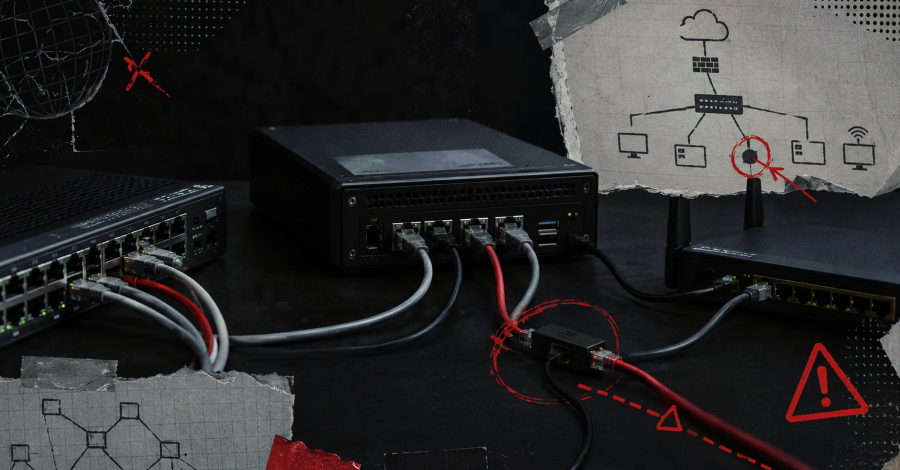
Kaspersky says the Head Mare group exploited unpatched TrueConf video-conferencing servers to replace legitimate client installers with malicious versions carrying the PhantomCore backdoor. According to the reporting, the attackers chained flaws that let them execute code in TrueConf's isolated environment, escape the sandbox, and then elevate privileges to full system control.
From there, they did something especially damaging: they turned the server's own update path into distribution infrastructure. Users connecting to the compromised local server could receive a trojanized client installer as an update.
Why This Matters More Than A Normal Collaboration-App Story
A compromised conferencing server is already bad. A compromised conferencing server that can serve tampered client software to internal users or counterparties is worse because it turns trust in routine software updates into the attack path.
Stay Current on Cyber Policy and Guidance
Track new CISA actions, regulations, guidance, and risk trends in a quick daily format.
Free. Weekday mornings. Unsubscribe anytime.
The broader lesson is that once attackers compromise an internal platform deeply enough, they do not have to rely on noisy phishing every time. They can use the platform's own legitimacy to move farther.
What The Reporting Says About Reach
BleepingComputer reports that Head Mare used TCP port 4307, open by default, to connect to vulnerable TrueConf servers without authentication, then leveraged issues Kaspersky tracked as KLCERT-26-057 and KLCERT-26-058. The attackers reportedly installed a web shell, accessed the TrueConf database, and also deployed the PhantomGraph backdoor, which could receive commands through a Microsoft OneDrive account and return results.
The warning that should catch readers' attention is Kaspersky's note that even organizations not running a TrueConf server could still be exposed if their employees connect to a compromised counterparty server and download a malicious installation package.
What Teams Should Do Next
Treat this like a trust-channel review, not just a patch ticket.
- Identify every TrueConf server and confirm whether it is running a vulnerable release in the 5.3.x, 5.4.x, or 5.5.x branches before the fixed versions cited by the vendor.
- Patch to the fixed releases immediately and verify that update packages and hosted installers on the server have not been altered.
- Inspect for web-shell activity, privilege-escalation traces, unexpected installer changes, OneDrive-linked command activity, LSASS dumping, and reverse SSH behavior described in the reporting.
- Warn internal users and counterparties not to trust unsigned or unexpected TrueConf client updates while validation is underway.
- Review whether externally reachable collaboration or meeting infrastructure is monitored with the same seriousness as more obviously critical edge systems.
What Teams May Be Underestimating
The real risk here is not just one vulnerable server. It is the collapse of trust in the software-distribution path attached to that server. Once attackers can swap client installers, every normal user update becomes a possible expansion point.
That makes this a useful case study for any organization that hosts collaboration tooling, customer portals, or other systems that routinely distribute software or scripts to users who assume the source is safe.
Source Context
CyberExperts used BleepingComputer's summary of Kaspersky's findings as the primary source for this article, with focus on the exploit chain, the trojanized installer path, fixed versions, and the counterparty-risk angle that makes the story broader than a single-product compromise.
Related In The Daily Brief
See this item in The 5-Minute Cyber Brief