The 5-Minute Cyber Brief
Good morning. Start with the issue most likely to change what your team needs to pay attention to today, then move through the rest in under five minutes.
Lead Story
GitLab CVE-2026-19478 Comes Under Active Exploitation Within Days of Disclosure

A newly disclosed security flaw in GitLab has come under active exploitation within days of public disclosure, according to watchTowr.
Don’t Miss the Policy Changes That Affect Security Decisions
Get the key CISA actions, new regulations, guidance, and risk shifts in a quick daily brief.
Free. Weekday mornings. Unsubscribe anytime.
Built from 100+ trusted cybersecurity sources.
Why it matters: This matters because GitLab often sits directly in the software-delivery path. A flaw that lets unauthenticated attackers rewrite or delete public projects can become a trust, availability, and release-integrity problem before the next patch window even starts.
Read more on CyberExperts: Read more on CyberExperts
Original source: The Hacker News
Also Worth Your Attention
New SynkLoader malware pushed in Microsoft Teams phishing campaign

Expel says the campaign uses Microsoft Teams messages to push a fake “PowerShell Cleaner” MSI from Azure, then drops a multi-language toolkit that installs persistence, opens a remote PowerShell shell, and displays a fake Windows 11 lock screen to capture credentials.
Why it matters: This matters because the attack abuses a collaboration channel users often trust more than email. Once Teams chat becomes the delivery path and the lock screen becomes the credential prompt, identity, endpoint, and user-awareness controls all need to work together.
Read more on CyberExperts: Read more on CyberExperts
Defending Against an Active Threat to Siemens S7 Series PLCs

CISA, NSA, FBI, DOE, and EPA say actors are actively targeting Siemens S7 PLCs by scanning for internet-exposed devices and using AI-assisted scripts with snap7 tooling to read and potentially modify controller memory and ladder logic.
Why it matters: This matters because this is not just patch guidance. It is an OT intrusion-preparation warning aimed at real PLC families used across manufacturing, energy, water, chemical, food, and commercial facilities.
Read more on CyberExperts: Read more on CyberExperts
DeadLock ransomware: Breaking down a Rust-based encryptor with decentralized recovery infrastructure

Microsoft Threat Intelligence examines DeadLock ransomware, an emerging financially motivated operation distinguished by its use of decentralized infrastructure to support victim communications, negotiations, and data leak operations alongside double extortion tactics used to pressure victims.
Why it matters: This matters because ransomware pressure no longer stops at the initial intrusion. If operators are building more resilient infrastructure for negotiation and leak pressure, defenders need backup confidence, response ownership, and continuity decisions ready before the extortion phase starts.
Read more on CyberExperts: Read more on CyberExperts
UAT-10147: Chinese-speaking adversary integrates agentic AI into post-compromise operations
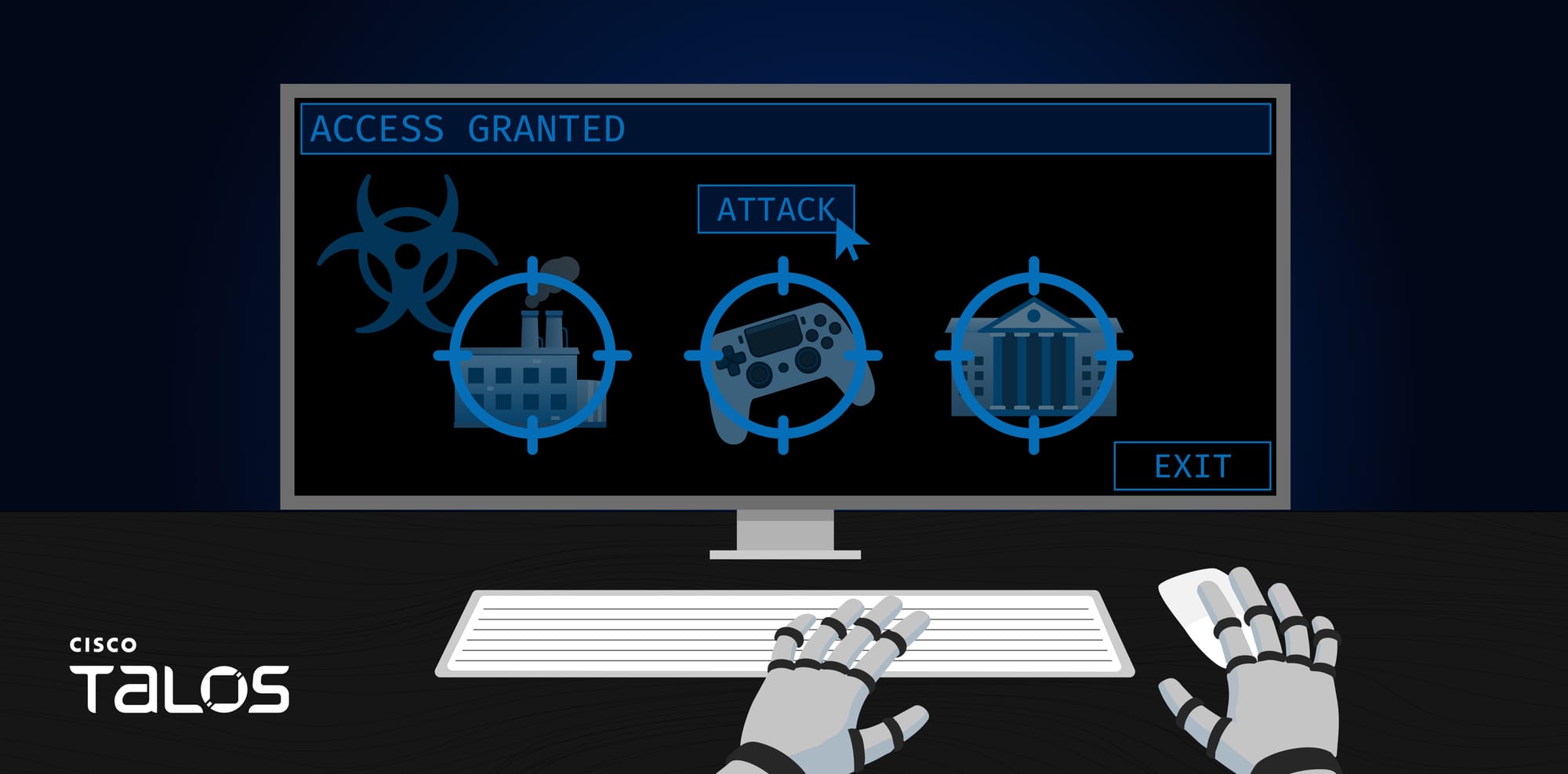
Cisco Talos discovered a Chinese-speaking cybercrime group, tracked as UAT-10147, that targets a wide range of vulnerable web servers. This is an overview of the campaign, examining the countries affected, potential impact of BadIIS infections, the attack chain, and post-compromise tactics.
Why it matters: This matters because the useful shift here is not the phrase "AI" by itself. It is that offensive operators are using AI to compress exploit refinement, troubleshooting, and persistence work, which lowers the human effort needed to run complex post-compromise operations at scale.
Read more on CyberExperts: Read more on CyberExperts
Go Deeper
Editorial Promise
CyberExperts should help you get the signal fast, understand what actually matters, and know where to go deeper before the day gets noisy.