The 5-Minute Cyber Brief
Good morning. Start with the issue most likely to reshuffle someone's priority list today, then move through the supporting developments that deserve attention.
Lead Story
CISA warns of hackers exploiting Langflow, N-central, Apache Tomcat flaws
The U.S. Cybersecurity and Infrastructure Security Agency is giving federal agencies three days to mitigate vulnerabilities in IBM Langflow, N-central, and Apache Tomcat, all actively exploited.
Know what matters before your first meeting.
Weekday mornings. Five minutes. What changed in security, why it matters.
By subscribing you agree to our Privacy Policy.
Free. Weekday mornings. 5 minutes or less.
Why it matters: The three products sit with different teams: Langflow with AI and app developers, N-central with IT operations or an MSP, and Tomcat inside many enterprise applications. Federal agencies were given three days.
Recommended action: Assign one owner per product today and confirm versions and internet exposure before patching.
Read more on CyberExperts: Read more on CyberExperts
Original source: BleepingComputer
Also Worth Your Attention
Hackers run khunt post-exploitation toolkit from Oracle database
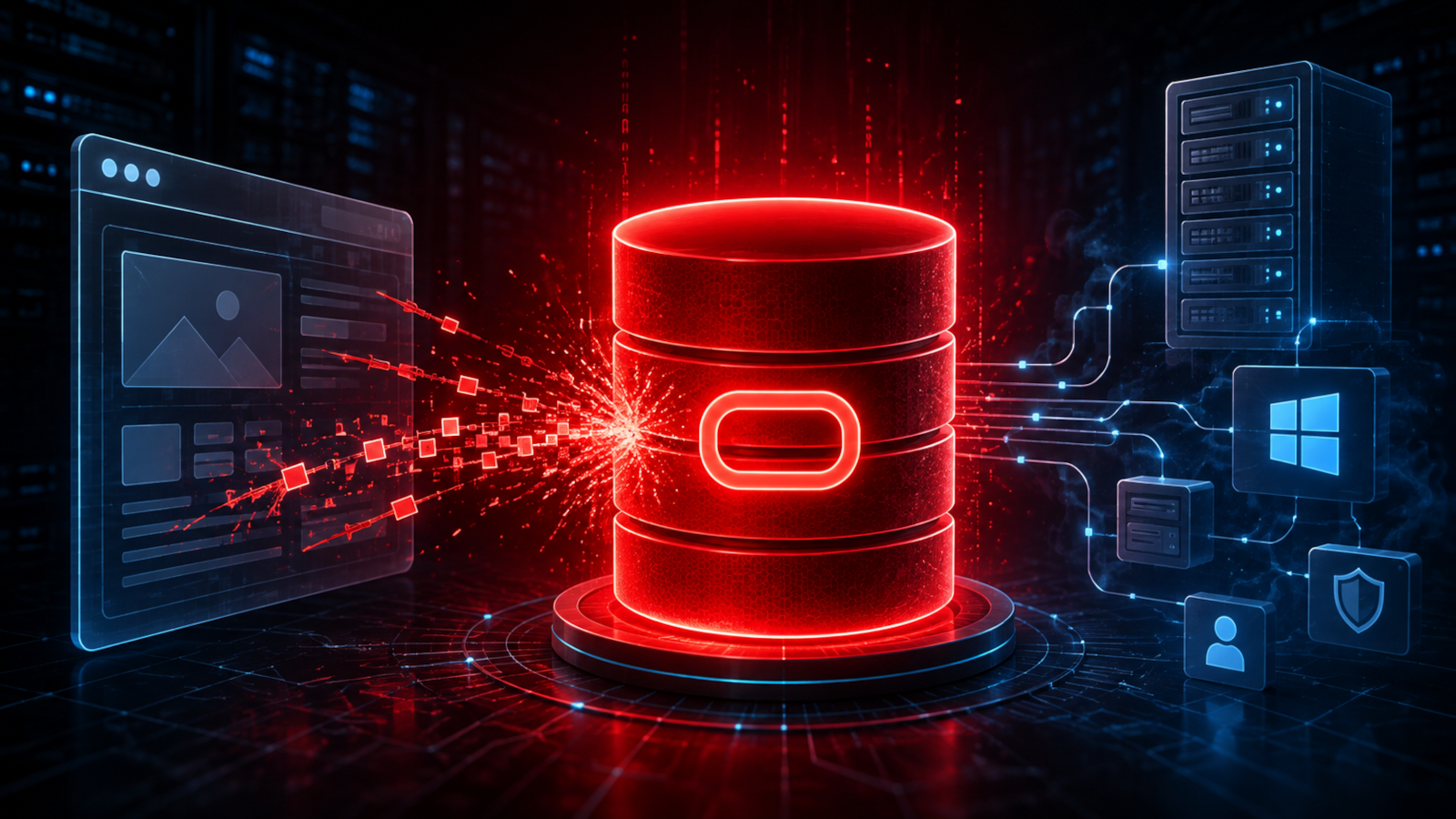
Hackers exploited a SQL injection vulnerability to install a post-exploitation toolkit directly inside an Oracle database that was used to breach a corporate network.
Why it matters: Huntress says the attackers used Oracle’s built-in Java support to compile the khunt toolkit inside the database, then ran cmd.exe with SYSTEM rights and copied the SAM, SECURITY and SYSTEM registry hives. No Oracle patch applies; the entry point was an unvalidated autocomplete search field.
Recommended action: Search Oracle for objects named KHUNT%, alert on oracle.exe starting cmd.exe or reg.exe, and remove Java-creation rights from application accounts.
Read more on CyberExperts: Read more on CyberExperts
CISA Urges Water and Wastewater Systems Sector to Protect OT Against Activity Targeting PLCs

CISA is warning water and wastewater operators about activity targeting programmable logic controllers, pushing OT teams to review remote access, internet exposure, and controller change controls now rather than after an incident.
Why it matters: Attackers changed passwords and IP settings on internet-exposed PLCs to lock operators out, and some utilities had to issue boil-water notices.
Recommended action: Take PLCs off the internet, change default passwords, and keep a known-good copy of each PLC program.
Read more on CyberExperts: Read more on CyberExperts
New OVSwrap Linux Kernel Flaw Lets Local Users Gain Root via Open vSwitch

A memory corruption flaw in the Linux kernel’s Open vSwitch datapath, OVSwrap (CVE-2026-64531), gives ordinary local users a path to root on many default-configured distributions. The public exploit ships with pre-built records for about 800 kernel builds.
Know what matters before your first meeting.
Weekday mornings. Five minutes. What changed in security, why it matters.
By subscribing you agree to our Privacy Policy.
Free. Weekday mornings. 5 minutes or less.
Why it matters: Any local foothold, such as a web shell or a CI job, can become root without extra research. Fixed stable kernels are 5.15.212, 6.1.178, 6.6.145, 6.12.97, 6.18.40 and 7.1.5.
Recommended action: Update kernels. Where Open vSwitch is not needed, unload and block the openvswitch module.
Read more on CyberExperts: Read more on CyberExperts
From open lures to cloaked gates: How a macOS ClickFix campaign learned to hide
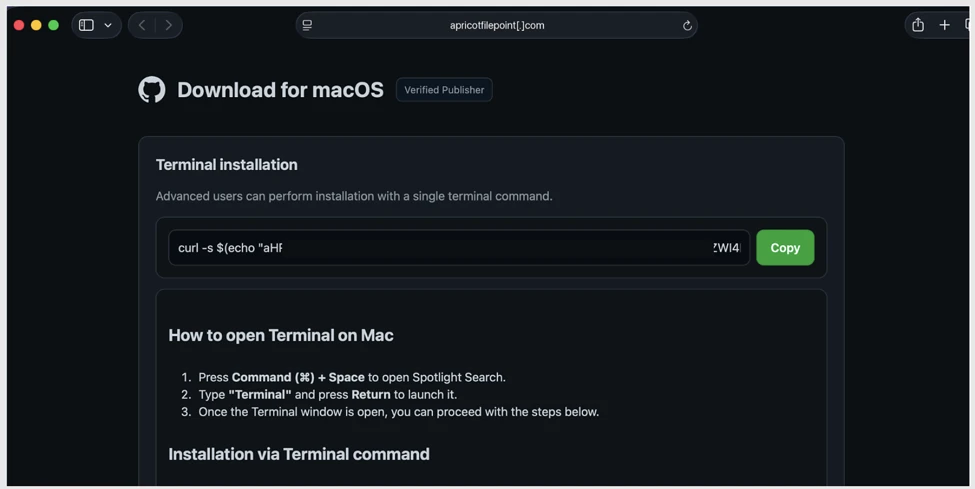
A macOS ClickFix campaign shifted tactics from openly serving infostealer lures to hiding them behind a browser-fingerprinting gate. The change makes malicious infrastructure harder to detect while giving defenders new hunting opportunities.
Why it matters: Microsoft tracked more than 250 look-alike domains, many using the word “file”. The sites now show the lure only to browsers that look like a real Mac, so URL scanners may see a blank or harmless page. The chain delivers the MacSync and Atomic (AMOS) stealers.
Recommended action: Hunt for Terminal running curl piped to a shell from a /curl/ path, followed by Keychain or browser-data access.
Read more on CyberExperts: Read more on CyberExperts
Go Deeper
Editorial Promise
CyberExperts should help you get the signal fast, understand what actually matters, and know where to go deeper before the day gets noisy.
Newer CyberExperts coverage on this topic
This article still works as background. If you want the current picture, start with the freshest related coverage below and today's brief.
Coder’s registry infrastructure compromised to push malicious modules
The Coder incident is a supply-chain lesson in miniature: once attackers can tamper with trusted module distribution, defenders are no longer verifying...
Attackers Turn Trusted Node.js Runtime Into Malware Delivery Tool in Targeted Attacks
The useful lesson in this campaign is not that Node.js is bad. It is that adversaries keep choosing legitimate runtimes defenders already...
HPE patches critical ArubaOS-CX remote code execution flaw
ArubaOS-CX deserves attention because switching software rarely gets treated with the same urgency as identity or edge security until exploitation arrives. A...
Monday’s brief: GlobalProtect logins without passwords, then SonicWall, AhsayCBS and NetScaler
The fastest way to catch up on what changed after this article was published.
Start your morning with the signal that matters.
Get the biggest cybersecurity developments, why they matter, and where to go deeper on CyberExperts.
By subscribing you agree to our Privacy Policy.
Free. Weekdays. Built for operators.