What Changed
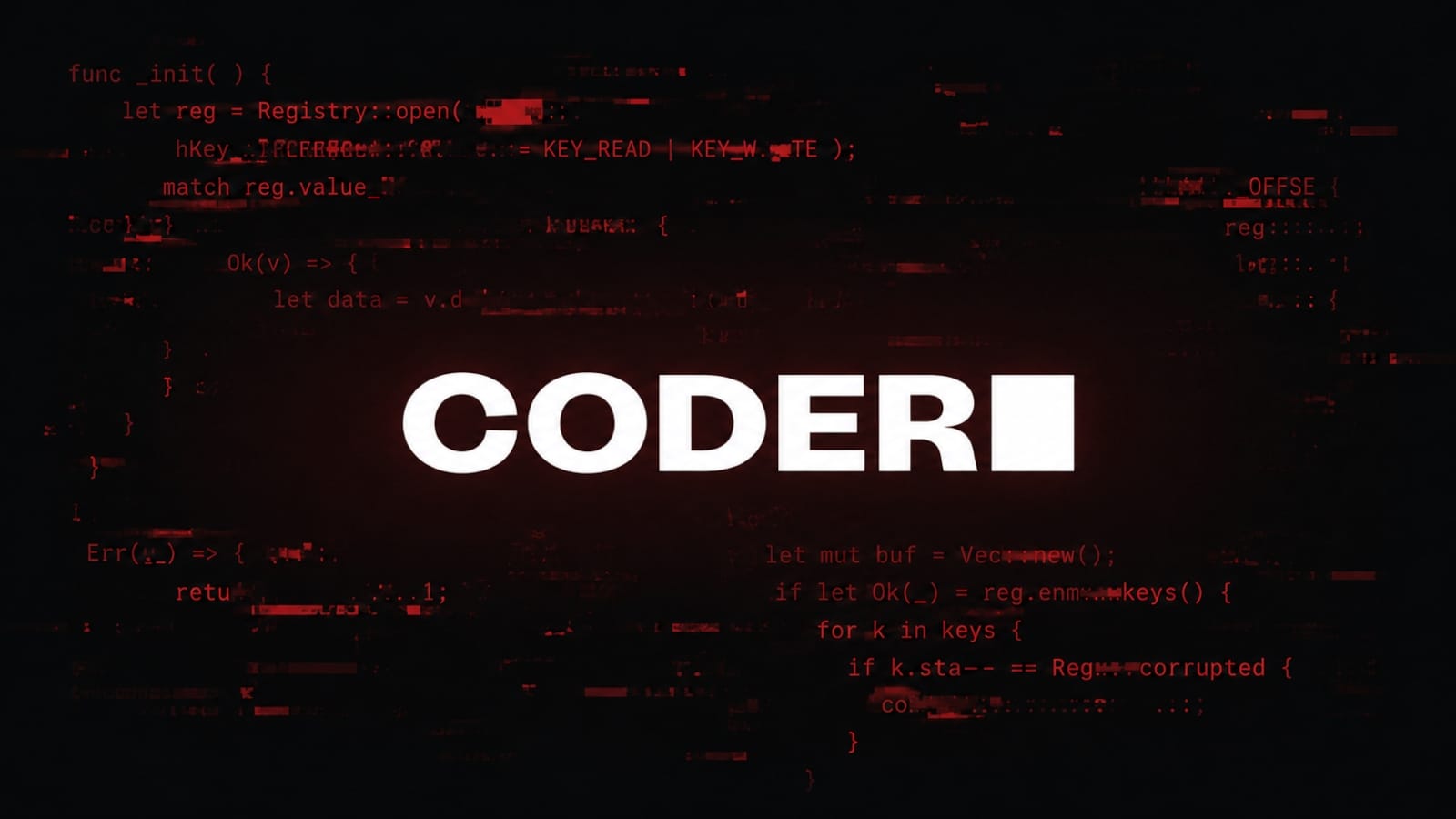
BleepingComputer reports that attackers compromised Coder's Cloudflare-backed registry infrastructure and added unauthorized registry servers that delivered malicious Terraform modules. Those modules reportedly included credential-stealing code, which shifts the story from website compromise into infrastructure-as-code trust failure.
That matters because Terraform modules often sit early in provisioning workflows, where one bad dependency can flow into cloud credentials, environment bootstrap, and repeated downstream deployments before anyone recognizes the source of the problem.
Why This Matters Operationally
Security teams tend to focus on package registries in traditional software ecosystems, but IaC modules deserve the same paranoia. A poisoned Terraform module can modify infrastructure behavior, leak secrets during provisioning, or normalize malicious changes inside otherwise legitimate automation runs.
Real Threats. Real Impact. In 5 Minutes.
Daily, actionable cyber insights on exploited vulnerabilities, policy changes, and risks that matter.
Join 10,000+ cybersecurity professionals. No spam. Unsubscribe anytime.
Analyze
Prioritize
Act
The harder problem is historical certainty. Once a trusted registry path is compromised, the real task is not only blocking future pulls. It is proving which runs, workspaces, and credentials touched the malicious content while the trust boundary was broken.
What To Verify First
- Identify every pipeline, workspace, and engineer workflow that pulled Terraform modules from the affected Coder registry path during the exposure window.
- Review cloud and platform credentials that may have been present during provisioning, especially tokens stored in CI/CD, Terraform Cloud-style runners, or bootstrap automation.
- Rebuild trust deliberately: pin known-good versions, validate module checksums or provenance where possible, and force fresh pulls from trusted sources only after review.
- Check for unexpected infrastructure drift, new principals, altered network rules, or unusual secret access that may reflect a malicious module run rather than direct console abuse.
Source Context
CyberExperts used BleepingComputer's reporting as the primary source and focused on the operational facts that matter most: unauthorized registry servers, malicious Terraform module delivery, credential-theft risk, and the need to review historical automation runs rather than only today's downloads.
Related In The Daily Brief
See this item in The 5-Minute Cyber Brief