The 5-Minute Cyber Brief
Good morning. Start with the issue most likely to change what your team needs to pay attention to today, then move through the rest in under five minutes.
Lead Story
Critical Zimbra RCE flaw now actively exploited in attacks
CERT Polska says attackers are exploiting Zimbra CVE-2026-73570, an unauthenticated command injection in SNMP notification handling triggered by a crafted SMTP request. Zimbra fixed it in 10.1.20 on July 20; Shadowserver sees more than 12,100 exposed Zimbra servers.
Know what matters before your first meeting.
Weekday mornings. Five minutes. What changed in security, why it matters.
By subscribing you agree to our Privacy Policy.
Free. Weekday mornings. 5 minutes or less.
Why it matters: Mail servers are hard to patch quickly and hold sensitive communications.
Recommended action: Upgrade to 10.1.20 or later, check whether SNMP notifications are enabled and review files created by the zimbra user.
Read more on CyberExperts: Read more on CyberExperts
Original source: BleepingComputer
Also Worth Your Attention
August 2026 Patch Tuesday: One Exploited Zero-Day and 62 Critical Vulnerabilities Among 415 CVEs
By product, CrowdStrike counts 233 Windows fixes, 192 Extended Security Updates and 125 for Office in August.
Why it matters: The spread means endpoint, server and Office owners each have part of the work.
Recommended action: Report August patch progress per product owner, not as one number.
Read more on CyberExperts: Read more on CyberExperts
GitLab CVE-2026-19478 Comes Under Active Exploitation Within Days of Disclosure

watchTowr reports exploitation of GitLab CVE-2026-19478 within days of disclosure. Fixed releases are 18.11.11, 19.0.8, 19.1.6 and 19.2.4.
Why it matters: The gap between disclosure and attack is now shorter than many patch cycles.
Recommended action: Upgrade now and review public projects for unexpected changes.
Read more on CyberExperts: Read more on CyberExperts
CISA warns of hackers exploiting critical MLflow vulnerability
CISA says attackers are exploiting MLflow CVE-2026-64849, a DNS-rebinding SSRF bypass in webhook delivery, fixed in 3.15.0. watchTowr saw scanning within hours of the CVE assignment.
Know what matters before your first meeting.
Weekday mornings. Five minutes. What changed in security, why it matters.
By subscribing you agree to our Privacy Policy.
Free. Weekday mornings. 5 minutes or less.
Why it matters: An exposed MLflow server can relay requests to cloud metadata and leak credentials.
Recommended action: Upgrade to 3.15.0 and rotate cloud credentials reachable from MLflow hosts.
Read more on CyberExperts: Read more on CyberExperts
UAT-10147: Chinese-speaking adversary integrates agentic AI into post-compromise operations
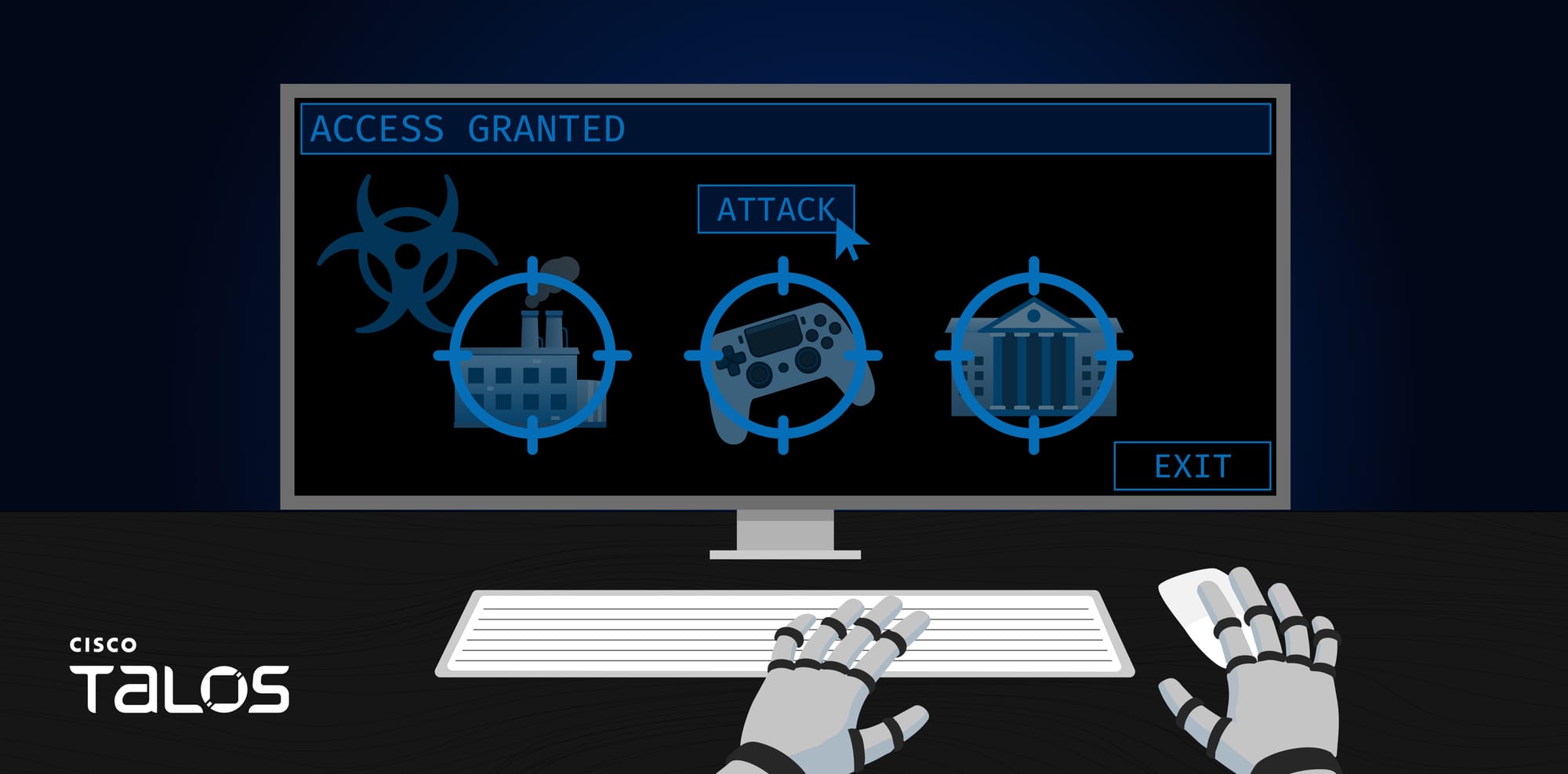
Talos tracks UAT-10147, a Chinese-speaking group attacking vulnerable web servers that uses AI tooling for exploitation, recon and persistence, along with Metasploit, ysoserial and BadIIS. Its target list held about 170,000 URLs.
Why it matters: AI help lets one operator run many intrusions at once.
Recommended action: Check exposed IIS servers for BadIIS modules and web shells.
Read more on CyberExperts: Read more on CyberExperts
Go Deeper
Editorial Promise
CyberExperts should help you get the signal fast, understand what actually matters, and know where to go deeper before the day gets noisy.
Newer CyberExperts coverage on this topic
This article still works as background. If you want the current picture, start with the freshest related coverage below and today's brief.
Coder’s registry infrastructure compromised to push malicious modules
The Coder incident is a supply-chain lesson in miniature: once attackers can tamper with trusted module distribution, defenders are no longer verifying...
Attackers Turn Trusted Node.js Runtime Into Malware Delivery Tool in Targeted Attacks
The useful lesson in this campaign is not that Node.js is bad. It is that adversaries keep choosing legitimate runtimes defenders already...
HPE patches critical ArubaOS-CX remote code execution flaw
ArubaOS-CX deserves attention because switching software rarely gets treated with the same urgency as identity or edge security until exploitation arrives. A...
Monday’s brief: GlobalProtect logins without passwords, then SonicWall, AhsayCBS and NetScaler
The fastest way to catch up on what changed after this article was published.
Start your morning with the signal that matters.
Get the biggest cybersecurity developments, why they matter, and where to go deeper on CyberExperts.
By subscribing you agree to our Privacy Policy.
Free. Weekdays. Built for operators.