The 5-Minute Cyber Brief
Good morning. Start with the item that needs same-day action, then use the rest of the brief to pressure-test where your environment is relying on convenience, forgotten defaults, or weak exposure assumptions.
Lead Story
CISA orders urgent patching of actively exploited Zimbra flaw
The Cybersecurity and Infrastructure Security Agency (CISA) has ordered U.S. government agencies to patch an actively exploited vulnerability in Zimbra Collaboration Suite (ZCS) within three days.
Know what matters before your first meeting.
Weekday mornings. Five minutes. What changed in security, why it matters.
By subscribing you agree to our Privacy Policy.
Free. Weekday mornings. 5 minutes or less.
Why it matters: This matters because internet-exposed mail servers are still high-value targets, and more than 12,100 visible Zimbra systems means the real problem is not patch availability. It is whether teams can prove which servers are exposed, whether SNMP notifications are enabled, and whether compromise indicators are already sitting in logs.
Read more on CyberExperts: Read more on CyberExperts
Original source: BleepingComputer
Also Worth Your Attention
Hackers target WordPress sites in miniOrange auth bypass attacks

Hackers are attempting to exploit two critical authentication bypass vulnerabilities in the miniOrange SAML 2.0 Single Sign On plugin for WordPress that can be used to forge SAML responses and log in as administrators.
Why it matters: This matters because WordPress SSO plugins sit directly on the authentication boundary. If a forged SAML assertion can become an admin session, the problem is not just a plugin patch. It is whether the site can be silently taken over, content modified, and downstream trust abused.
Read more on CyberExperts: Read more on CyberExperts
Unpatched Calix flaw lets hackers bypass NAT to expose internal devices

An unpatched flaw in Calix GS7 XGS residential routers lets unauthenticated attackers create external port-forwarding rules, potentially exposing internal devices that owners assumed were protected by NAT.
Why it matters: This is valuable because it shows how edge devices quietly become exposure multipliers. If a remote attacker can punch inbound holes through a customer or branch edge router, systems that were never meant to be public can suddenly become reachable.
Read more on CyberExperts: Read more on CyberExperts
Critical Keycloak Password Reset Flaw Could Let Unauthenticated Attackers Take Over Any Account

Keycloak and Red Hat shipped fixes for CVE-2026-18963, a critical flaw in the reset-credentials flow that can let an unauthenticated attacker bypass the emailed action token and force a password reset for any account.
Know what matters before your first meeting.
Weekday mornings. Five minutes. What changed in security, why it matters.
By subscribing you agree to our Privacy Policy.
Free. Weekday mornings. 5 minutes or less.
Why it matters: This is an identity-control problem, not a niche product issue. If the password reset flow can be subverted, the attacker skips phishing and goes straight at the account recovery path many teams trust as a safety net.
Read more on CyberExperts: Read more on CyberExperts
UAT-10147: Chinese-speaking adversary integrates agentic AI into post-compromise operations
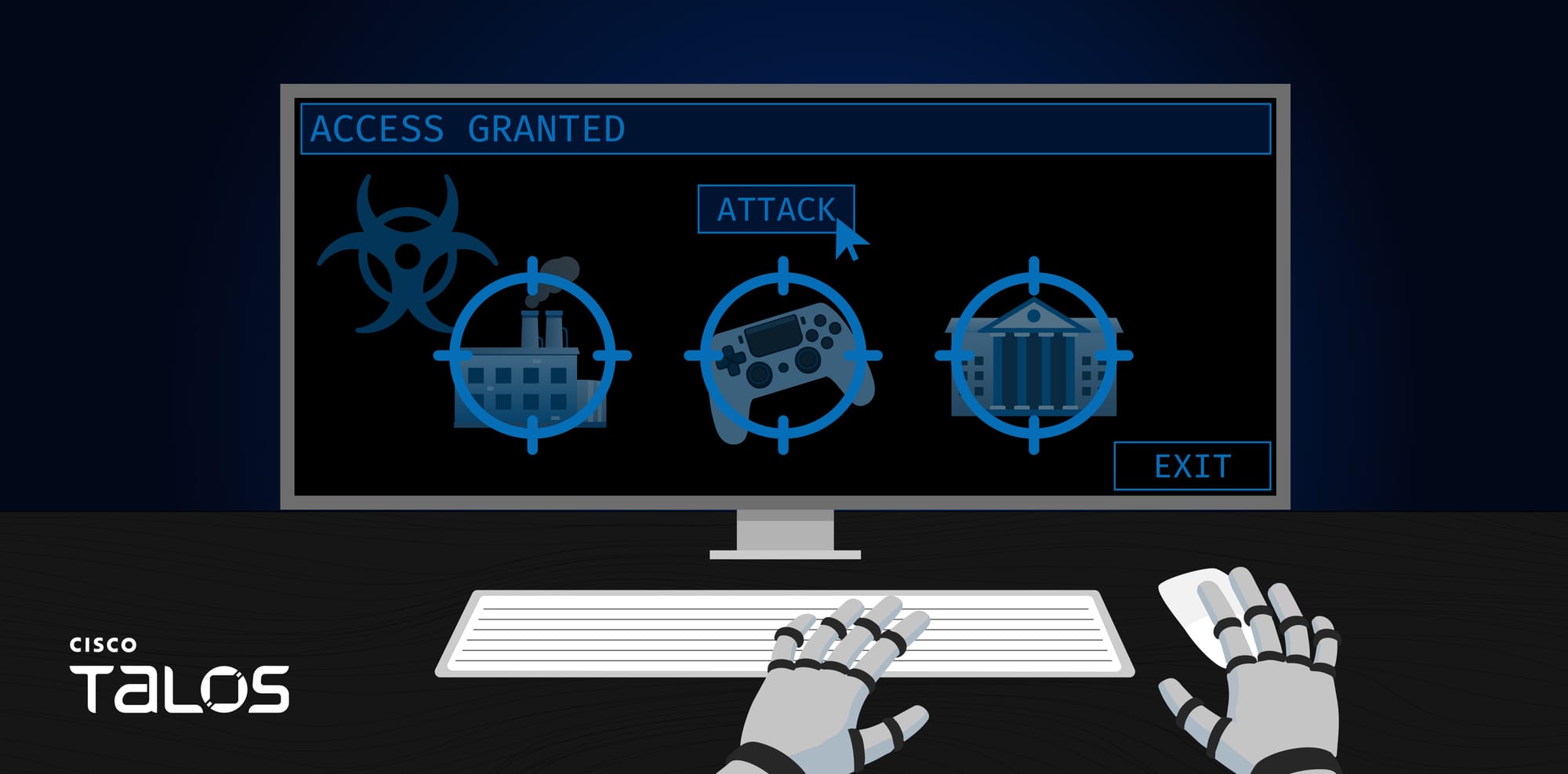
Cisco Talos discovered a Chinese-speaking cybercrime group, tracked as UAT-10147, that targets a wide range of vulnerable web servers. This is an overview of the campaign, examining the countries affected, potential impact of BadIIS infections, the attack chain, and post-compromise tactics.
Why it matters: This matters because the useful shift here is not the phrase "AI" by itself. It is that offensive operators are using AI to compress exploit refinement, troubleshooting, and persistence work, which lowers the human effort needed to run complex post-compromise operations at scale.
Read more on CyberExperts: Read more on CyberExperts
Go Deeper
Editorial Promise
CyberExperts should save you triage time, not create more of it. The goal is to surface the items that actually change today's decisions and explain why before the rest of the day gets noisy.
Newer CyberExperts coverage on this topic
This article still works as background. If you want the current picture, start with the freshest related coverage below and today's brief.
Coder’s registry infrastructure compromised to push malicious modules
The Coder incident is a supply-chain lesson in miniature: once attackers can tamper with trusted module distribution, defenders are no longer verifying...
Attackers Turn Trusted Node.js Runtime Into Malware Delivery Tool in Targeted Attacks
The useful lesson in this campaign is not that Node.js is bad. It is that adversaries keep choosing legitimate runtimes defenders already...
HPE patches critical ArubaOS-CX remote code execution flaw
ArubaOS-CX deserves attention because switching software rarely gets treated with the same urgency as identity or edge security until exploitation arrives. A...
Monday’s brief: GlobalProtect logins without passwords, then SonicWall, AhsayCBS and NetScaler
The fastest way to catch up on what changed after this article was published.
Start your morning with the signal that matters.
Get the biggest cybersecurity developments, why they matter, and where to go deeper on CyberExperts.
By subscribing you agree to our Privacy Policy.
Free. Weekdays. Built for operators.