What The Service Is Selling
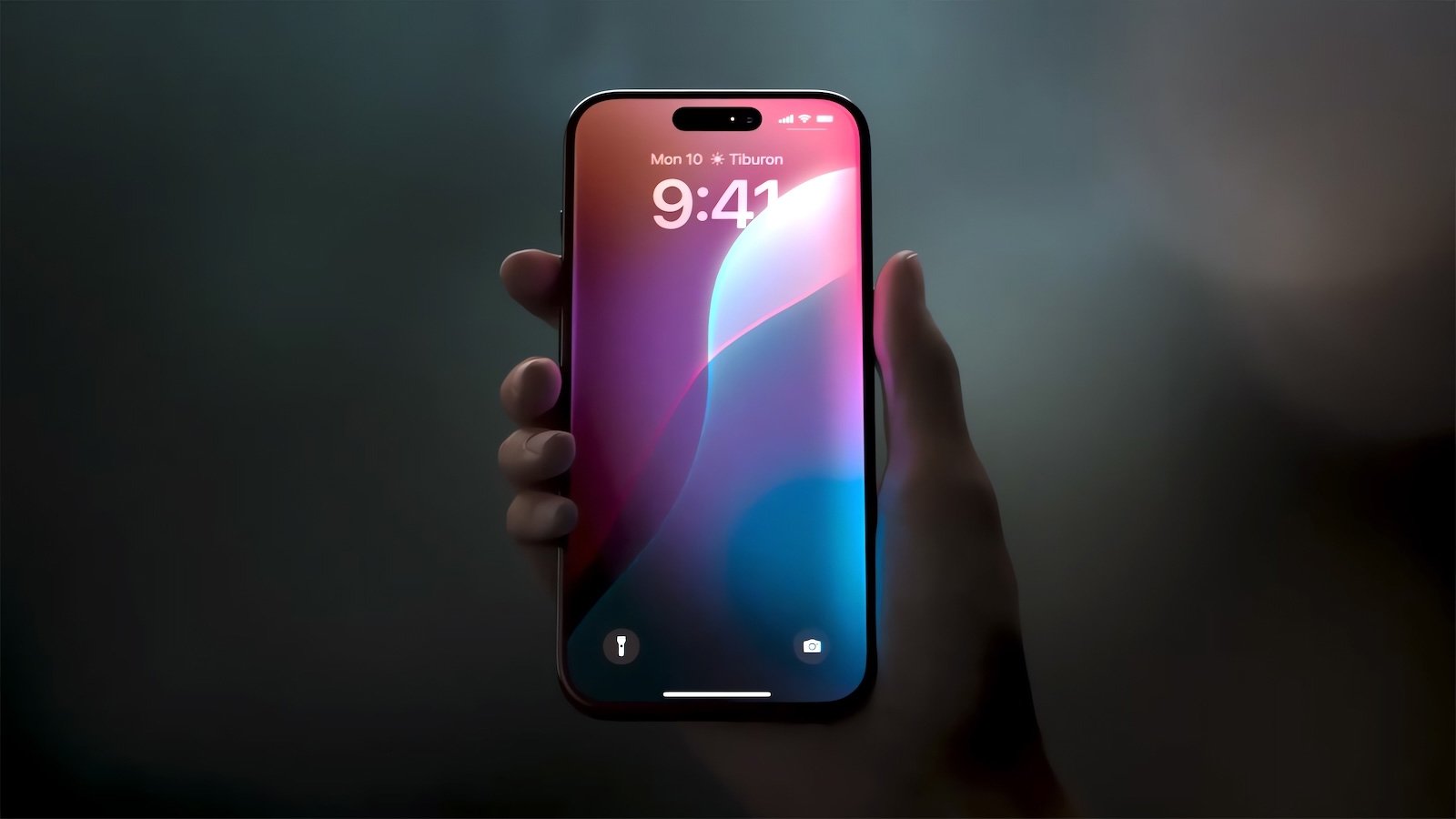
BleepingComputer says SOCRadar tracked AnonyMousKIT as a phishing-as-a-service operation active since early 2024. The service is designed to help criminals unlock stolen iPhones, disable Activation Lock, and increase resale value while also exposing the victim's Apple account and synced data.
The reporting says the broader ecosystem is tied to harvesting Apple IDs, accessing iCloud backups, and reaching Keychain credentials, which turns a phone-theft story into a real identity and data-exposure story.
How The Lure Works
Victims receive emails that impersonate Apple and claim the missing phone has been located. The messages reportedly include the correct model and IMEI details to make the lure feel legitimate and urgent.
Know what matters before your first meeting.
Weekday mornings. Five minutes. What changed in security, why it matters.
By subscribing you agree to our Privacy Policy.
Free. Weekday mornings. 5 minutes or less.
From there, the victim is sent to a fake Find My or Apple page and asked for the device passcode, Apple account credentials, and the two-factor authentication code. In some cases, an AI voice persona such as "Alice from Apple Support" reinforces the lie by claiming someone tried to unlock the phone at an Apple Store and asking the victim to confirm ownership verbally.
Why The Enterprise Angle Matters
This is not only a consumer-fraud problem. SOCRadar warns that a compromised Apple ID can expose iCloud backups, Keychain passwords, work email, and other corporate information on personal or employer-issued Apple devices.
The reporting also says researchers recovered records of 200 calls made between August 2025 and May 2026, using 55 interaction transcripts handled by a voice AI agent across five personas. That suggests a structured operation, not a one-off scam.
Know what matters before your first meeting.
Weekday mornings. Five minutes. What changed in security, why it matters.
By subscribing you agree to our Privacy Policy.
Free. Weekday mornings. 5 minutes or less.
What Teams Should Do Next
- Tell employees and support staff that Apple or IT should never ask them to dictate a device passcode over the phone.
- Treat a stolen corporate or dual-use iPhone as an identity-and-data exposure event, not only a lost-device event.
- Review whether Apple account recovery, passcode-reset, and managed-device guidance are covered clearly in incident-response playbooks.
- Use this story to revisit how much corporate access or sensitive data can ride on a personal Apple ID tied to a work-used device.
Source Context
CyberExperts used BleepingComputer as the primary source and kept the operational details that matter most: early-2024 service activity, realistic Apple lures with model and IMEI details, fake Find My pages, AI voice personas, 200 recovered call records, and the iCloud/Keychain/work-email exposure angle described by SOCRadar.
Related In The Daily Brief
See this item in The 5-Minute Cyber Brief
Newer CyberExperts coverage on this topic
This article still works as background. If you want the current picture, start with the freshest related coverage below and today's brief.
Coder’s registry infrastructure compromised to push malicious modules
The Coder incident is a supply-chain lesson in miniature: once attackers can tamper with trusted module distribution, defenders are no longer verifying...
Attackers Turn Trusted Node.js Runtime Into Malware Delivery Tool in Targeted Attacks
The useful lesson in this campaign is not that Node.js is bad. It is that adversaries keep choosing legitimate runtimes defenders already...
HPE patches critical ArubaOS-CX remote code execution flaw
ArubaOS-CX deserves attention because switching software rarely gets treated with the same urgency as identity or edge security until exploitation arrives. A...
Monday’s brief: GlobalProtect logins without passwords, then SonicWall, AhsayCBS and NetScaler
The fastest way to catch up on what changed after this article was published.
Start your morning with the signal that matters.
Get the biggest cybersecurity developments, why they matter, and where to go deeper on CyberExperts.
By subscribing you agree to our Privacy Policy.
Free. Weekdays. Built for operators.