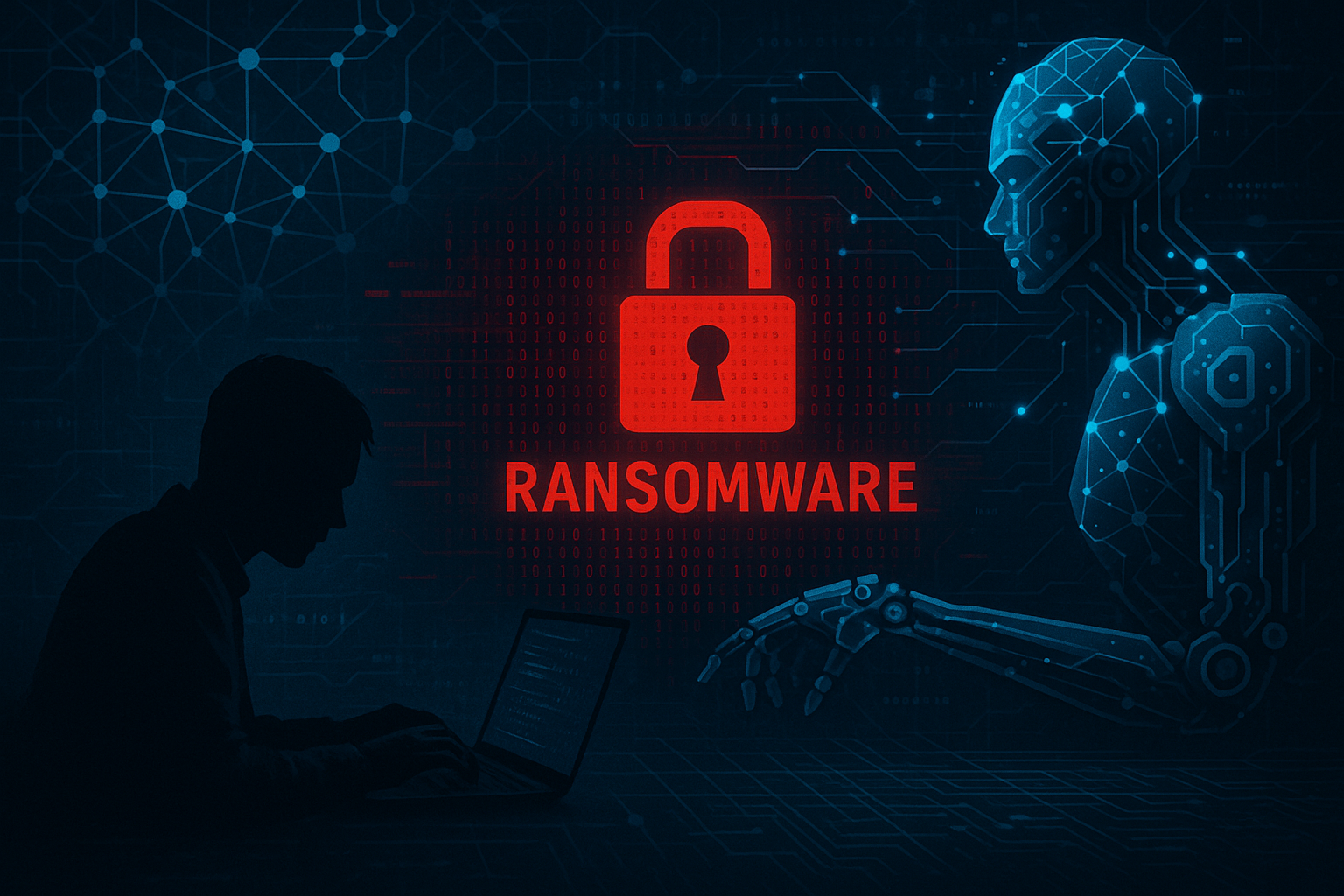
What AI-generated ransomware could mean for defenders, from faster malware adaptation to lower attacker costs and harder incident response....
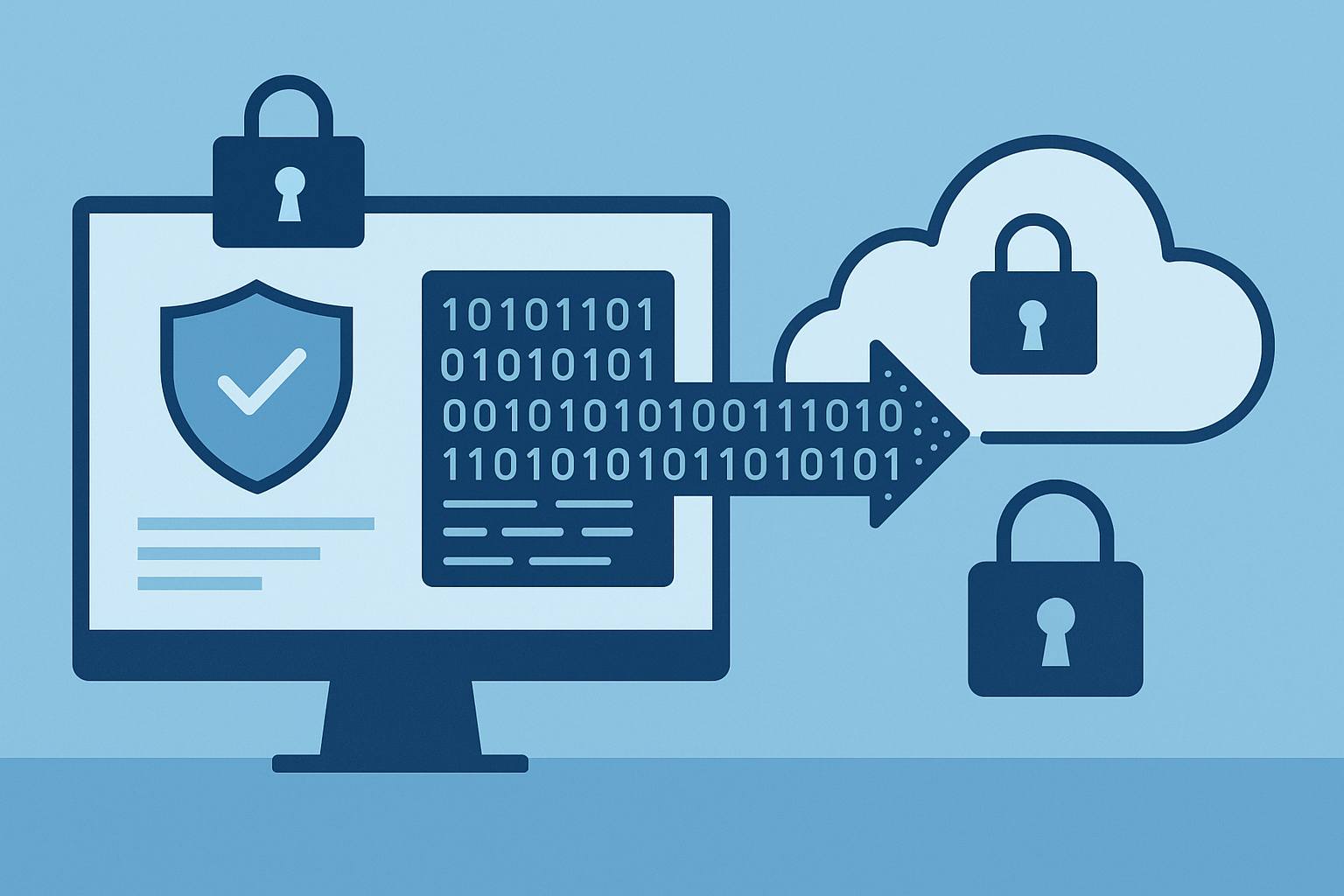
Five practical cybersecurity best practices for data migration, covering scope control, access, encryption, validation, and recovery readiness....
Why vulnerability mitigation needs a risk-based approach instead of chasing every CVE with equal urgency, regardless of impact or exploitability....
How student hackers can help universities strengthen cybersecurity through SOC work, testing, awareness, and hands-on defensive practice....
How AI is changing modern threat hunting by accelerating analysis, improving signal detection, and helping analysts investigate at greater scale....
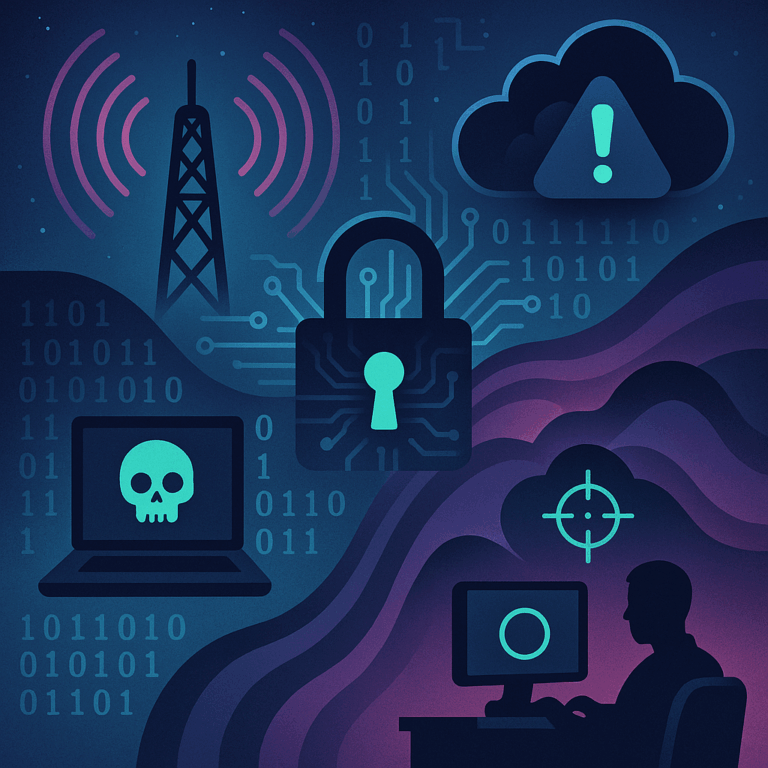
Five cybersecurity risks of NLOS wireless propagation, including signal exposure, interception, spoofing, and harder visibility in complex environments....
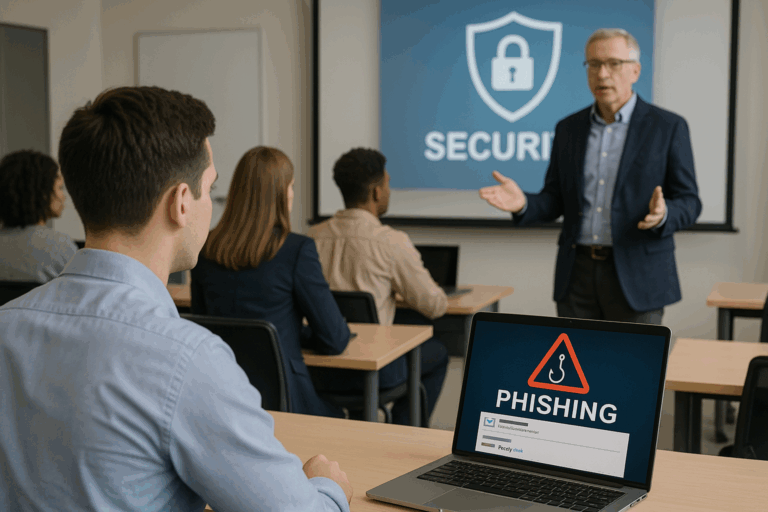
How to run a phishing simulation in higher education, with practical steps for planning, execution, training follow-up, and campus risk…
How AI-driven task management can improve cybersecurity operations through prioritization, workflow coordination, reduced burnout, and faster response....
Multi agent AI workflows can help security operations when specialized agents improve triage, investigation flow, task separation, and response coordination....
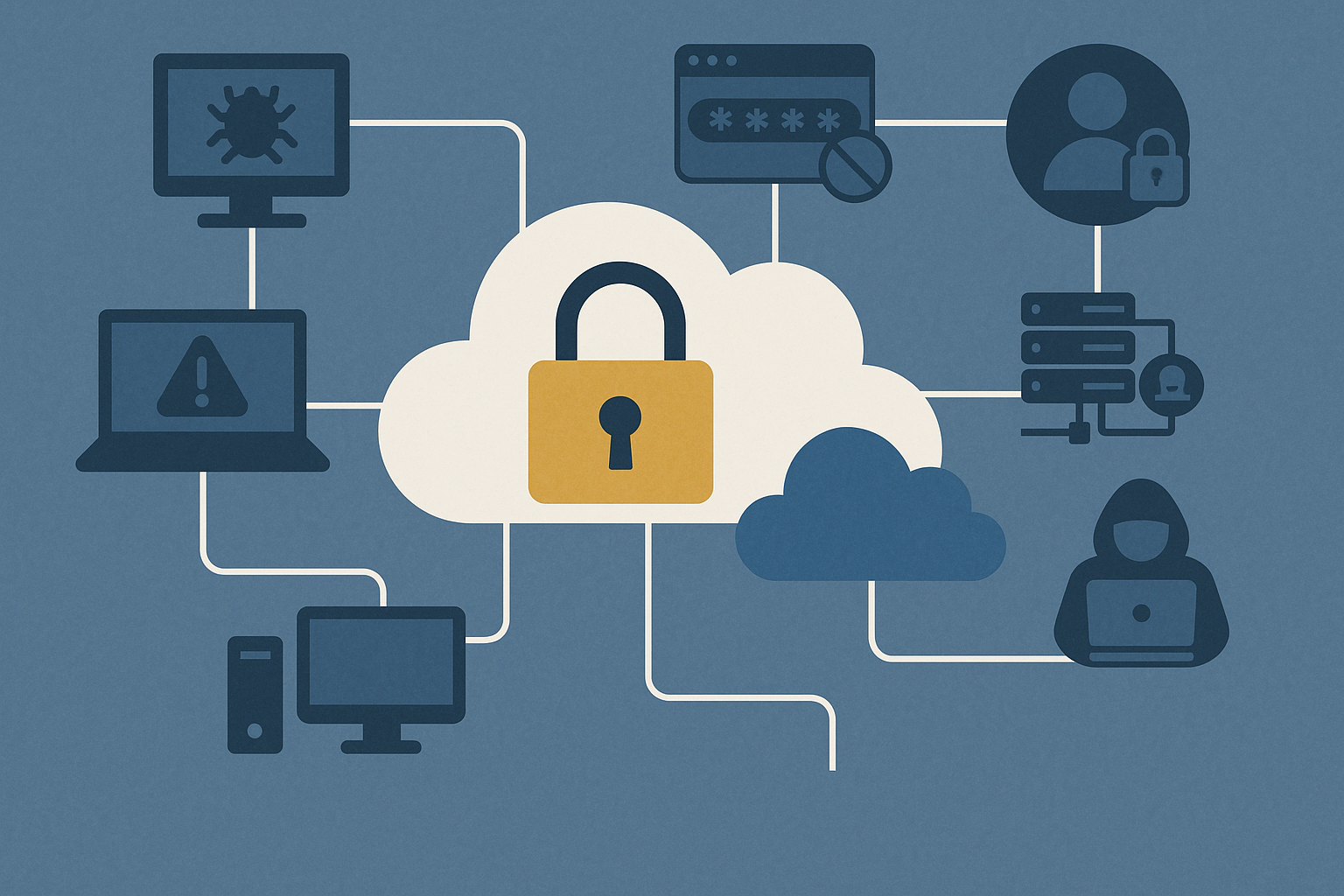
How to overcome common cybersecurity challenges in hybrid cloud environments, including visibility gaps, access control, misconfiguration, and response complexity....
How AI red teaming helps test real model risk through jailbreaks, roleplay attacks, memory, tool use, and adversarial simulation beyond…
Five tips for intentional continuous learning in a cybersecurity career, with guidance on goals, certifications, practice, and staying relevant....
How to conduct a cyber risk assessment for financial institutions, with practical guidance on frameworks, priorities, vendors, and regulatory exposure....