

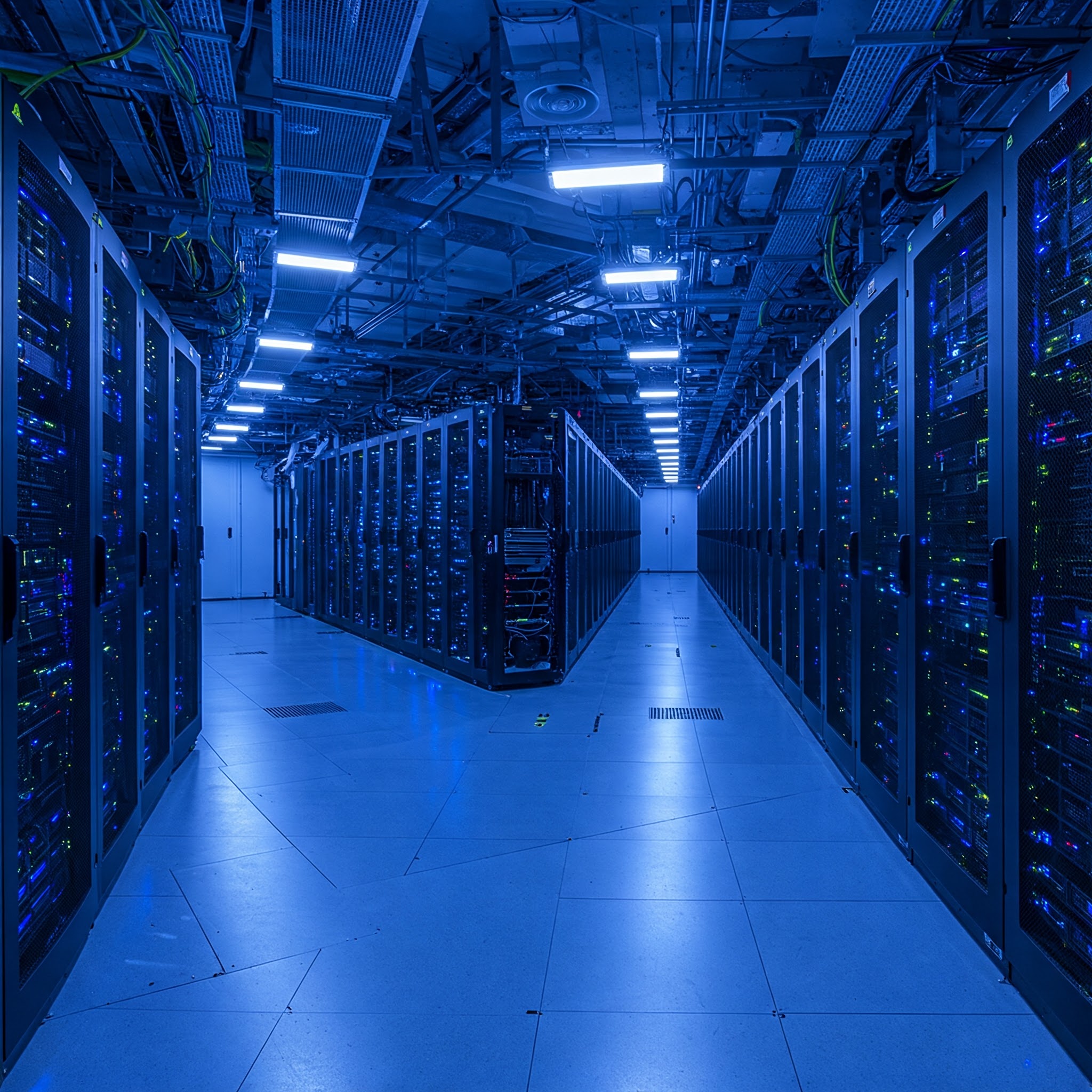
Modern data centers have become the backbone of today’s cloud-first and AI-driven world, enabling everything from real-time customer experiences to advanced analytics and automation. As organizations embrace digital transformation, they rely on highly connected, virtualized environments that span physical infrastructure and cloud platforms.
This shift delivers speed and scalability but creates new risks. With more endpoints and integrations, the potential attack surface has grown significantly. Cybercriminals see data centers as high-value targets, drawn by the chance to exploit configuration gaps, hijack credentials or disrupt operations. Protecting these environments demands constant vigilance and smart planning from IT leaders.
1. Insider Threats
Insider threats remain one of the most difficult risks to detect and prevent in modern data centers. The damage can be severe, whether it’s an employee clicking a malicious link, a contractor accessing more data than necessary or a partner misusing credentials. In a 2024 survey, 30% of chief information security officers identified insider threats as a top cybersecurity risk.
This challenge is more complex because these actors often already have authorized access to systems. IT managers should enforce least privilege access to ensure users only have the necessary permissions. User behavior analytics can also flag unusual activities early, while regular audits keep permissions current and secure.
2. Misconfigured Systems
Misconfigured systems are a silent threat lurking in many data centers, often going unnoticed until it’s too late. A small error — like an open port, overly permissive firewall rule or misaligned cloud policy — can create an easy entry point for attackers. These mistakes typically stem from rushed deployments, complex environments or manual oversight.
IT managers use automated configuration management tools to ensure system consistency. These tools streamline setup and catch missteps before they pose a risk. Pairing them with continuous compliance scans adds an extra layer of protection by flagging high-risk configurations in real time and ensuring every step aligns with security policies and best practices.
3. Physical Security Breaches
Many cybersecurity discussions overlook physical security, but it is critical — especially in data centers, where unauthorized server access can lead to sabotage or hardware manipulation. Even the most advanced firewalls can’t protect against someone walking through an unsecured entry point.
Smart facility design is a breakthrough in these scenarios. For example, a swinging door in a secure cage setup makes it easy to lock data center spaces, adding a simple but powerful layer of protection. To go further, IT teams can use biometric access controls, 24/7 surveillance and strict role-based entry protocols to limit physical access only to those who need it.
4. Malware and Ransomware Infiltration
Malware attacks are a growing concern for data centers, often striking without warning and causing severe disruption. These threats crash systems, encrypt entire networks and give attackers remote control over operations. In 2021, top malware strains included information stealers and banking trojans, each designed to bypass traditional defenses and exploit vulnerable points.
Because these attacks often begin with something as simple as a phishing email or outdated software, prevention starts with awareness and preparation. Data center teams should deploy endpoint detection and response tools to spot and contain threats quickly and deliver consistent training to help staff recognize and avoid phishing traps before they take root.
5. Distributed Denial of Service Attacks
DDoS attacks severely threaten data centers because they overwhelm networks with traffic to crash services and halt critical operations. In 2023, over 8 million network-layer DDoS attacks targeted cloud-hosted applications and web servers. These attacks are fast, relentless and often automated, which makes it essential for IT managers to act quickly and decisively.
DDoS mitigation services can absorb and deflect malicious traffic before it reaches the network’s core. Setting rate limits controls incoming requests and prevents overload. In addition, using content delivery networks with built-in traffic diversion plans can spread the load across multiple locations, keeping services running during an attack.
6. Lack of Real-Time Monitoring
Speed matters in cybersecurity, especially when detecting threats inside a data center. Delayed response times can lead to longer dwell periods, giving attackers more opportunity to move laterally and inflict serious damage.
IT managers should invest in 24/7 security information and event management systems that collect and analyze logs across the entire infrastructure. Real-time threat detection tools spot anomalies as they happen. Meanwhile, alert correlation platforms filter the noise and connect the dots, allowing managers to respond to genuine threats before they escalate.
7. Unpatched Software Vulnerabilities
Outdated software and unpatched systems are like open doors in a data center’s defense, offering attackers easy access through well-known vulnerabilities. Attackers actively exploit known bugs, especially when organizations postpone updates because of resource constraints or compatibility issues.
Patch management should be a top priority, not a back-burner task. IT leaders automate the process, setting up patch schedules focusing on severity and system exposure to efficiently reduce the attack surface. With AI and automation, companies strengthen their defense and see real savings — up to $2.22 million, on average — thanks to faster detection, quicker fixes and fewer costly breaches.
Building a Resilient and Security-First Data Center
IT managers should regularly assess their security posture, stay agile in the face of evolving threats and lead by example in building cybersecurity awareness. Embracing new tools and staying current with best practices are crucial to staying ahead in a high-risk environment.
Want to know how these risks apply to your business?
Get an AI Cyber Checkup and receive a practical AI-generated action plan showing what to fix first.
Get an AI Cyber Checkup
