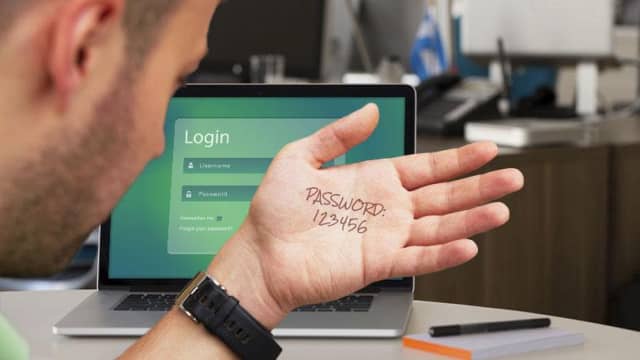
There are high profile Cyber Security breaches almost Daily
Cybersecurity breaches seem to be a Continuous part of modern life, With a new high-profile leak or hack occurring almost daily. Regardless of this, however, individuals still aren’t taking adequate measures to safeguard their data.
In a poll of over 1,000 individuals living in the United Kingdom, nearly a quarter — 23 percent — admitted to regularly using either their name or date of birth as their password in online accounts. This makes them easy targets for hackers. People still 0nly use one or two passwords for all of their online accounts, meaning that if you were to be breached all of your accounts would likely be in trouble.
Despite corporate training policies, employees aren’t practices sufficient cybersecurity. This puts companies at serious risk.
Reading an older article? Use the brief to stay current.
This Article Gives You the Background. The Brief Gives You What Changed Next.
Get the weekday cyber brief for new policy moves, CISA actions, and risk developments this article could not cover when it was published.
By subscribing you agree to our Privacy Policy.
Free. Weekday mornings. 5 minutes or less.
The WannaCry Effect
WannaCry ransomware struck earlier this year. This attack was all over the news and everyone heard about it. But did this help to change people’s habits when it comes to cyber security? No Way. Polls show that very few people implemented extra security best practices.
“A surprising amount of people still seem oblivious to the threat Posed for their private and, in reality, company information by using their name or date of arrival due to their passwords,” said Bradley Maule-ffinch, manager of plan for Cyber Security Europe.
“Nowadays this is far from being just a personal matter. We have seen A spate of prolific attacks and breaches this season alone and companies must make sure that employees are knowledgeable about the principles like password security. Using their own personal devices to connect to company networks which Is an ever-growing hazard landscape. This could prove a costly Vulnerability for businesses in the wake of GDPR.”
Since it is human nature to make things easy – like logons and remembering passwords – it is human nature that hackers exploit.
Reading an older article? Use the brief to stay current.
This Article Gives You the Background. The Brief Gives You What Changed Next.
Get the weekday cyber brief for the developments, risk shifts, and new signals that changed the picture after this article was published.
By subscribing you agree to our Privacy Policy.
Free. Weekday mornings. 5 minutes or less.
So what is the solution?
Companies must train their employees, but they cannot trust that their employees will follow the training. Companies must implement strong controls that force their employees to foll0w security best practices. These controls – like requiring strong passwords and frequent password updates – are easy to implement.
Newer CyberExperts coverage on this topic
This article still works as background. If you want the current picture, start with the freshest related coverage below and today's brief.
Passwords Suck and Will Go Away – Here’s How
Why Passwords Suck Usernames and Passwords are not secure by nature. Usernames and Passwords are controls that rely on "Something you know." ...
Are Your AI-Powered Security Tools Vulnerable to Adversarial Inputs?
AI security tools can miss threats when attackers craft adversarial inputs. Here’s how malware, phishing, and behavior models get fooled — and...
The 5-Minute Cyber Brief: September 18, 2026
Friday clock stories: Cisco ISE root bypass due Saturday, Acronis hosting LPE, MikroTik MikroTrick, Check Point management root.
The 5-Minute Cyber Brief: September 23, 2026
The fastest way to catch up on what changed after this article was published.
Start your morning with the signal that matters.
Get the biggest cybersecurity developments, why they matter, and where to go deeper on CyberExperts.
By subscribing you agree to our Privacy Policy.
Free. Weekdays. Built for operators.