

Summary
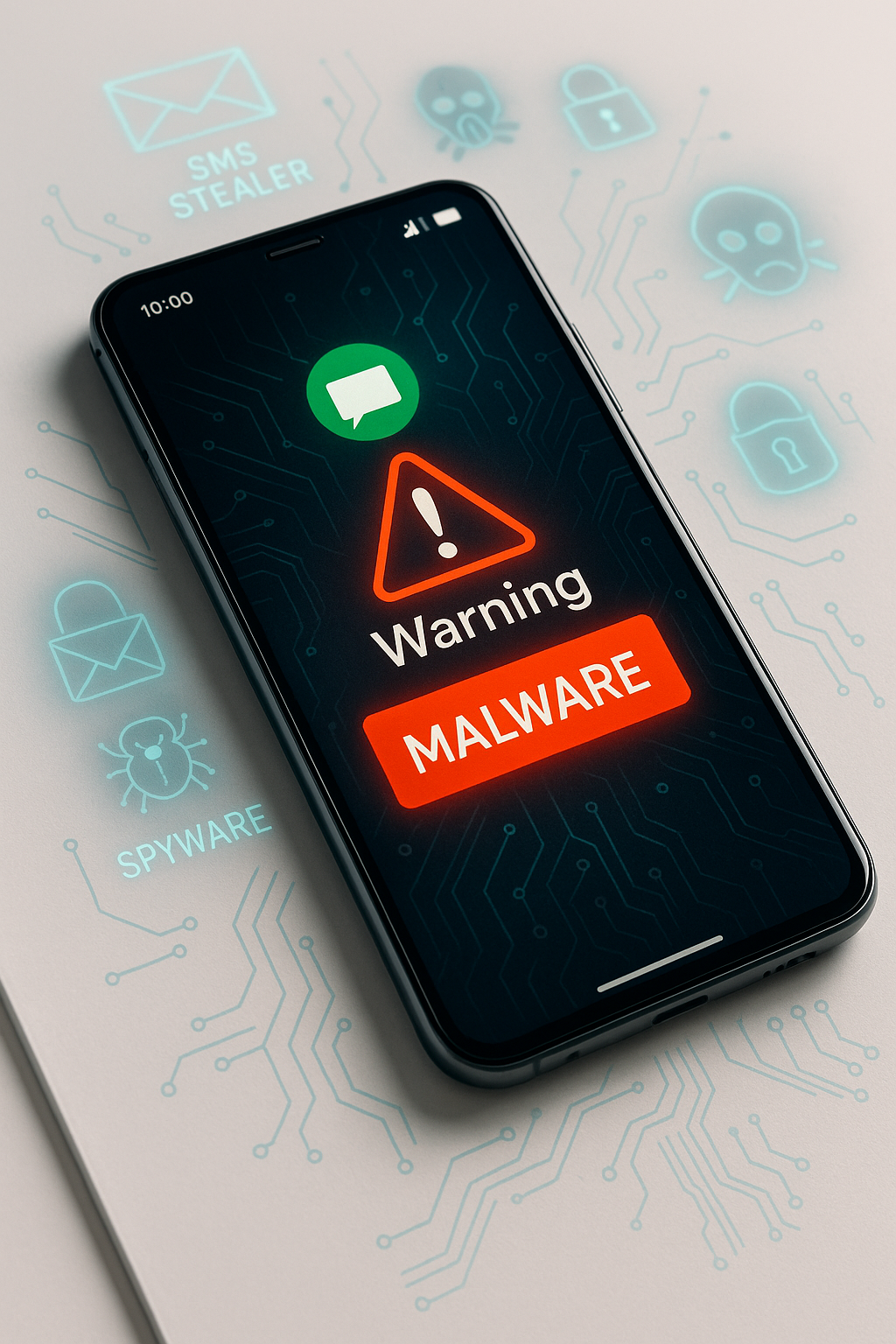
- Evolution of Android Droppers: Initially used for deploying banking malware, now leveraged to deliver a broader range of threats, including SMS stealers and spyware.
- Increase in Sophistication: New dropper techniques emerge to bypass security measures on the Google Play Store.
- Role of Threat Actors: Notable crime syndicates and individual hackers are focusing efforts on mobile devices.
- Impact on Users: Greater risk to personal data and increased potential for identity theft.
- Recommendations for Security: Emphasis on the importance of user vigilance and stronger mobile security measures.
Android Adoption by Cyber Criminals: A New Era
The Android digital ecosystem faces an evolving threat landscape, as cybercriminals innovate to breach its defenses. Initially, the primary approach focused on banking malware delivered by droppers—applications designed to install more malicious components. Recent analyses highlight a shift towards more versatile threats, notably SMS stealers and spyware, as these droppers escalate their capabilities beyond banking-focused attacks.
Adaptive Techniques: Staying Ahead of Security
To penetrate Google Play Store’s security, these cyber threats have become increasingly sophisticated. Cybercriminals employ decoy apps to mask malicious activities, skillfully synchronizing code activation with specific actions or delays. These tactics make detecting and removing malicious apps incredibly challenging for Google’s security algorithms and users alike.
Threat Actors: Powerhouses Behind Mobile Threats
Organized crime groups and independent hackers have shifted focus towards mobile devices, leveraging the increase in smartphone usage worldwide. This strategic change accompanies a mounting arsenal of tools designed to siphon personal data, access confidential communications, and peddle this information in underground markets.
Industry experts attribute these advancements to the proliferation of malware-as-a-service platforms, which provide the infrastructure needed for non-specialists to launch sophisticated attacks. This democratization of threat development has expanded the pool of potential attackers, intensifying the battle for cyber safety.
Consequences for Users: A Growing Personal Risk
For the end user, the implications are severe. SMS stealers can intercept two-factor authentication codes, critical for accessing sensitive financial information and email accounts. Meanwhile, spyware quietly observes and records user activity, facilitating identity theft and allowing unauthorized access to private data.
Given these risks, users face a heightened threat to their online and offline lives. Alarmingly, many individuals remain unaware of the methods through which their data integrity and security are compromised, underscoring a need for broader awareness.
Mitigation Strategies: Fortifying Mobile Defenses
Securing mobile environments against these advanced threats requires a multifaceted approach. Security experts advocate for maintaining up-to-date software systems, educating users on potential risks, and employing reputable mobile security applications.
Additionally, caution is advised when downloading apps. Users should scrutinize app permissions and opt for those from verified developers. Such practices significantly diminish the risk of unwittingly installing malicious software and increase resilience against cyber threats.
Final Thoughts: Continual Evolution as a Cyber Imperative
The evolution of Android droppers into carriers of SMS-stealing and spyware threats marks a critical juncture for cybersecurity on mobile platforms. Staying ahead of this evolution demands a concerted effort from tech companies, cybersecurity experts, and users. By adopting proactive measures and staying informed, the collective digital community can mitigate threats before they escalate into widespread crises. The future of mobile security hinges on vigilance, cooperation, and continual innovation.
Want to know how these risks apply to your business?
Get an AI Cyber Checkup and receive a practical AI-generated action plan showing what to fix first.
Get an AI Cyber Checkup
