

Wednesday, April 29, 2026
Home Blog Page 122
AI cybersecurity guidance for small businesses

Know where your business is exposed, what matters most, and what to fix first.

CyberExperts gives small businesses AI-generated cyber checkups, practical recommendations, and recurring cyber hygiene monitoring โ€” without enterprise consulting complexity.

AI Cyber CheckupIdentify likely weak points and get a prioritized action plan.
Recurring MonitoringStay current with updated cyber hygiene guidance over time.
Built for SMBsPractical recommendations for real-world small business setups.

Most small businesses know cybersecurity matters. Very few know what to fix first.

CyberExperts turns cybersecurity confusion into a practical action plan. Instead of vague fear, generic checklists, or expensive consulting, you get AI-generated guidance focused on likely risks, weak spots, and the most important next steps.

How it works

1. Tell us about your businessShare your team size, tools, email setup, device practices, and current security habits.
2. CyberExperts analyzes your setupOur AI reviews likely weak points, common risks, and practical cyber hygiene gaps.
3. Get a prioritized action planReceive clear next steps in plain English โ€” focused on what matters most.
4. Stay current with ongoing monitoringAdd recurring cyber hygiene monitoring if you want updated guidance over time.

Start with a checkup. Continue with monitoring.

AI Small Business Cyber Checkup

A one-time AI-generated assessment that identifies likely weaknesses, highlights the biggest issues, and gives you a practical action plan.

  • Likely weak points and avoidable risks
  • Top-priority recommendations
  • Plain-English next steps

AI Cyber Hygiene Monitor

A recurring cyber hygiene subscription that updates your recommendations, flags likely weak spots, and helps you stay current over time.

  • Recurring reassessment
  • Updated recommendations
  • Refreshed priorities over time

What CyberExperts does โ€” and does not do

Done by AICyberExperts is built as an AI-delivered cybersecurity guidance product.
For small businessesDesigned for operators who want practical guidance without enterprise complexity.
Not a magic guaranteeIt helps identify likely risks and prioritize what to fix first.
Recurring option availableContinue with ongoing Cyber Hygiene Monitor updates over time.

See your biggest cybersecurity gaps in plain English.

Start with an AI Cyber Checkup and get a practical view of what to fix first.

How to Improve Smart Home Cybersecurity

0

In the 21st century, everything is becoming “smart.” As computer technology improves, every device becomes more interconnected through the Internet of Things (IoT).

This is what makes smart home technology so attractive — you can control the functions of your home all through a voice assistant or app. Being able to access the functionality of your home quickly makes it more convenient for users. However, while IoT technology has revolutionized how devices interact with one another, it can also potentially make you more vulnerable to cyberattacks.

Cyberattacks Target IoT Technology

Unfortunately, the other thing that is evolving in the 21st century is cyberattacks. Although over one million home burglaries happen annually in the U.S., security technology has made enormous strides in keeping people and properties safe.

However, the most significant battleground for security is cyberspace. Cyberattacks significantly escalated during and after the COVID-19 pandemic and experts believe they will only become more dangerous as technology becomes more dependent on the IoT

Hackers targeting IoT devices can do more than steal personal information. Accessing your IoT system means they can control any functionalities linked to your smart devices, which can become a real disruption in your life. Such a security breach especially devastates people with a smart home system.

Cyber attackers that can get into the system can control your home’s security and might even be able to unlock the doors in your home. They can also access all the data stored in your smart home system, allowing them to track your movements. For example, while smart motion detectors can prevent break-ins and theft, a bad actor could potentially hack your system and take note of when you’re not home to make burglary much more successful.

Securing Your Smart Home Cybersecurity

Fortunately, there are ways to safeguard your smart home against cyber threats. These methods range from simple education to investing in cybersecurity programs.

Invest in Cybersecurity Programs

Many affordable cybersecurity programs are available that provide basic security features. These include firewalls and regular security scans for potentially harmful programs your device might have picked up.

However, the new standard in cybersecurity is multi-factor authentication. While antivirus and firewall software identify and block malicious programs from entering your system, multi-factor authentication (MFA) can stop hackers from accessing your system entirely.

Rather than using a username and password system, MFA uses a token system to authenticate users. This token system typically uses an external device — such as a laptop or smartphone — to receive one-time passcodes. Entering the code will show the user is the system’s owner because only they should have access to the secondary device. This can significantly enhance the cybersecurity of smart homes because hackers will need more than your username and password to access the system — they’ll need access to the receiver.

In addition, because the security code is only valid for one authentication, hackers cannot use that same code to get into your smart home system every time. This extra layer of security can prevent cyberattacks entirely.

Practice Strong Cybersecurity Habits

One of the best ways to keep your smart home secure is to be aware of and practice good habits. Ensuring every password you have for your devices is unique and complex is a simple yet effective way to keep cybercriminals out.

Another simple thing you can do is avoid public Wi-Fi. While convenient, public Wi-Fi is also notorious for being a hunting ground for hackers. If the device you connect with has access to your smart home system, hackers who take control of the Wi-Fi can also access all the devices connected to your smart home.

Learn to Spot Cyberattacks

Recognizing the most common forms of cyberattacks can also help you keep your smart devices safe. For example, it’s easy to spot a phishing scam once you know what to look for. While phishing domains and email addresses try to mimic a real organization, they are always different — even if that difference seems superficial. Always double-check who the email address or domain the message is coming from by looking up the actual organization’s website.

Another good practice is visiting trusted and secure websites, and never clicking on banner ads or prompts. Fake ads and prompts will sometimes appear on insecure websites, and clicking on them will allow hackers to access your system. They can then take control of your browsing session, steal your security credential or access your smart home devices directly.

Start Enhancing Your Smart Home’s Cybersecurity

While cyber-attacks on smart homes and other devices are a genuine threat in today’s world, there are measures you can take to prevent them. Investing in security programs like multi-factor authentication and practicing good cybersecurity habits can go a long way to safeguarding your smart home

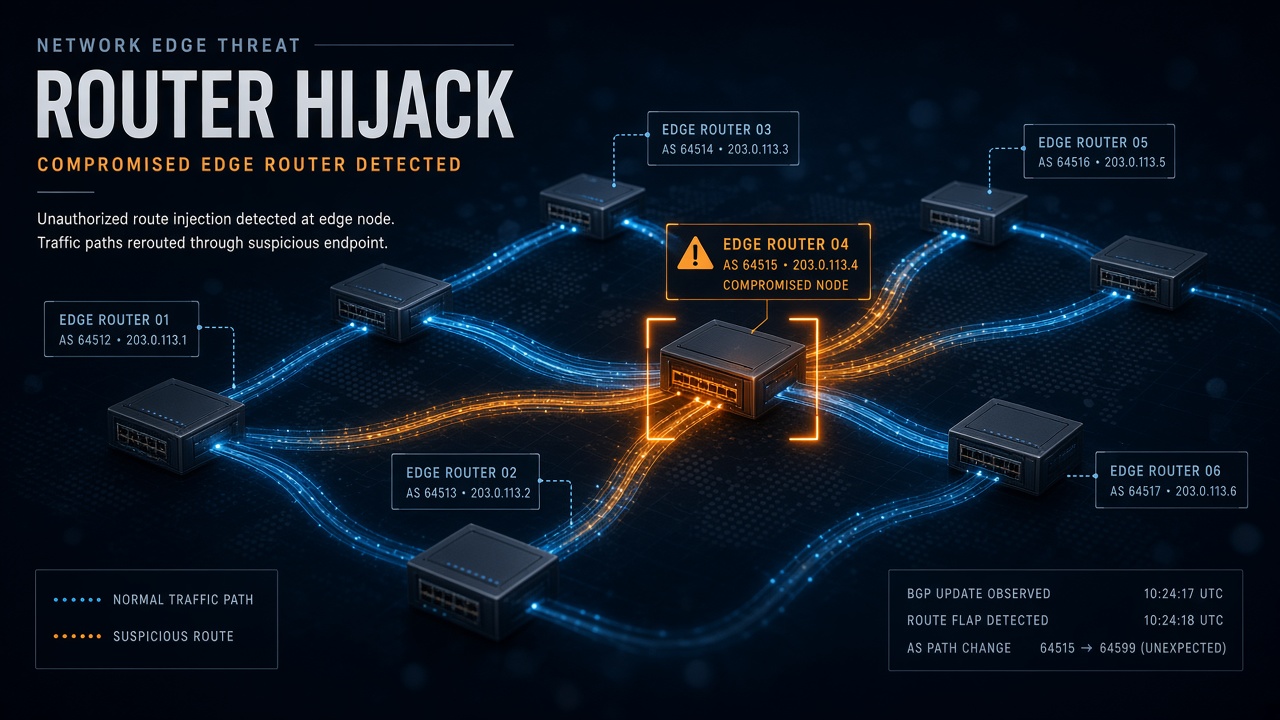
US and UK Alert Public of Russian Exploitation of Cisco Vulnerabilities

Title: “US and UK Alert Public of Russian Exploitation of Cisco Vulnerabilities”The United States and the United Kingdom have issued a warning to the public about Russian hackers exploiting vulnerabilities in Cisco networking equipment. The hackers are said to be using these vulnerabilities to access critical infrastructure and sensitive information.

According to the US Cybersecurity and Infrastructure Security Agency (CISA), Russian hackers have been exploiting a set of vulnerabilities in Cisco networking equipment known as the Cisco Discovery Protocol (CDP). The CDP is a proprietary protocol Cisco devices use to share information about other connected Cisco equipment.

The hackers are taking advantage of the fact that many organizations use Cisco networking equipment and have not updated their systems with the latest security patches. By exploiting these vulnerabilities, the hackers can gain access to critical infrastructure and sensitive information.

The US and UK authorities are urging organizations to take immediate action to secure their systems by updating their Cisco equipment with the latest security patches. The CISA has released an emergency directive that requires federal agencies to apply the latest patches immediately.

Individuals and organizations are also advised to monitor their systems for any signs of unauthorized access or unusual activity. This includes looking for indicators of compromise (IOCs), which can help identify whether a system has been compromised.

Exploiting the Cisco vulnerabilities by Russian hackers is a concerning development in the ongoing battle against cyber threats. Governments and businesses worldwide must remain vigilant and take proactive measures to secure their systems and data.

By taking steps such as updating software, using strong passwords, and implementing two-factor authentication, individuals and organizations can help protect themselves from cyber-attacks. In addition, it is important to stay informed about the latest threats and vulnerabilities and to report any suspicious activity to authorities. By working together, we can help prevent cyber attacks from compromising our systems and data.

Passive Cyberattacks: Can You Prevent Them?

0

In the tech world, cyberattacks are no joke. These incidents have caused millions of dollars in damage, whether from ransomware, malware, or another culprit. Cyberattacks are typically direct, and you’ll know when you see them. A cybercriminal demands money before you can reaccess your files.

However, another type lies in the shadows: passive cyberattacks. How can you prevent them? Here’s what they are and the steps you can take to protect your systems.

What Are Passive Cyberattacks?

Passive cyberattacks are dangerous because they’re challenging to detect. A thief committing a passive attack will enter your network but not do anything. Instead, they’ll monitor you and others while you conduct everyday activities. In the meantime, the cybercriminal will collect data and find vulnerabilities in your system. 

Once the intruder gathers enough information, they can turn their passive attack into an active one. The objective is to remain hidden. Your anti-virus software can detect an active attack, but it is more challenging to defend against passive ones. They could come and go without you ever knowing the thief was present in your network.   

What Are the Types of Passive Cyberattacks?

A passive cyberattack can happen at any time. There are numerous passive attacks, so knowing what’s happening in your network is essential. These six are the ones to watch out for.

1.   Traffic Analysis

A traffic analysis attack is the epitome of a passive cyberattack. Cybercriminals will enter your network and monitor traffic, looking for patterns. For instance, they want to know your active hours on the web and when you access specific websites. Traffic analysis attacks are common in the military for intelligence gathering but can also happen to your network.

2.   Dumpster Diving

Some passive attacks can go under the radar because they don’t occur on a computer. Cybercriminals using the dumpster diving tactic will search your physical records like paperwork to find old passwords and sensitive information. Many people discard these files in the trash, leading to the namesake.

Dumpster diving can also occur on your computer. Deleted files don’t disappear forever. Your computer’s memory has allocated space for these records, and cybercriminals know it. They often scour for sensitive information.

3.   Eavesdropping

Eavesdropping is similar to the traffic analysis attack because the cybercriminal monitors the network’s activity. The thief listens to phone calls or monitors unencrypted messages between individuals, whether by email, text, or another medium.

Eavesdropping attacks are challenging to detect because the bugging devices don’t harm the network alone. Once inside, the attacker can use software to steal all information users enter. These dangers demonstrate why public Wi-Fi networks are dangerous, especially for those using company devices.

4.   Spying

Spying is a passive cyberattack that people and organizations have used for decades. It became prominent during the 20th century’s world wars for code-breaking and other intelligence gatherings. Today, spying attacks target your Wi-Fi network.

In a spying attack, thieves infiltrate your network and act like authorized users. Authorization lets them watch and capture your encrypted data traffic. They can also install spyware, which passively collects a user’s information without their consent. 

5.   Wardriving

Wardriving is a more personal passive attack because it requires the attacker to be close to you. Typically, the cybercriminal roams the streets in a van, scanning for unprotected Wi-Fi networks. Wardriving typically includes recording the address on a GPS and saving the information for a future active cyberattack.

6.   Footprinting

The final form of passive attack is footprinting. This method is the most active because it means the attacker records the maximum information about your network. They want to know your IP address, domain name, and other factors. Cybercriminals use footprinting to lay the groundwork for a penetration test.

How Can You Prevent Passive Cyberattacks?

The last thing you want is a cyberattack, passive or active. However, there are ways to lower the chances of a passive attack on your home and office networks. Here are five tips for prevention. 

1. Intrusion Prevention System

The most direct way to tackle a passive cyberattack is with an intrusion prevention system (IPS). It continuously monitors your network and conducts port scans to ensure no intruders have infiltrated. The attackers can view your ports without an IPS and record their vulnerabilities. You may need to close unnecessary ports because one that’s unpatched or misconfigured could lead to an unwanted listener on your network.

2. Network Address Translation

Network address translation (NAT) is another route you can take. This tactic is effective against traffic analysis attacks because it separates internal and private networks. NAT devices keep your information safe because they hide your IP address. NAT is a solid deterrent because attackers won’t be able to detect who connects to what in the network.

3. Cybersecurity Training

Your network security is only as good as the treatment of your computer. Cybersecurity training is worthwhile for you, your co-workers, and anyone who handles technological devices daily. Employee neglect is a top reason for cyberattacks, so cybersecurity training acts as a defense against attacks from perpetrators.     

4. Encryption

Thwarting passive and active cyberattacks requires encryption. This involves converting your information into a code that’s nearly impossible to unscramble. In ransomware attacks, the thieves aim to take your information and hold it for ransom. However, they’ll find the data useless if it’s behind a code.

5. Updated Software

It may be inconvenient when you get a notification for a software update. However, swiftly enabling it is necessary for your cybersecurity. Companies provide patches for holes in their software; without them, your software could be vulnerable to cyberattacks. Criminals have an easier time infiltrating systems if they’re not updated regularly.

In 2017, the WannaCry virus attacked Windows users who did not download an update Microsoft released a few months before the attacks. 

Successfully Thwarting Cyberattacks

Cybersecurity is a significant concern, especially with attacks surging since the pandemic. You must be vigilant of passive and active cyberattacks to keep your systems safe.

What Developers Need to Know About SAST, DAST, IAST, and RASP

As a developer, you need to be familiar with various security measures to protect your applications from potential vulnerabilities. Among the security testing techniques that you need to be aware of are Static Application Security Testing (SAST), Dynamic Application Security Testing (DAST), Interactive Application Security Testing (IAST), and Runtime Application Self-Protection (RASP).

SAST: Static Application Security Testing

SAST is a type of security testing that analyzes an application’s source code or compiled bytecode to identify potential security vulnerabilities. SAST is usually performed in the early stages of software development, making it an essential tool for developers to prevent vulnerabilities from being introduced into the application’s code. The primary advantage of SAST is that it can detect vulnerabilities in the source code before the application is deployed.

DAST: Dynamic Application Security Testing

DAST is a type of security testing that examines an application’s running state to identify vulnerabilities. It involves sending requests to the application to simulate real-world attacks and identify potential vulnerabilities. The primary advantage of DAST is that it can detect vulnerabilities in the application’s runtime environment that might have been missed by SAST.

IAST: Interactive Application Security Testing

IAST is a type of security testing that combines elements of both SAST and DAST. It examines the application’s running state like DAST, but it also provides more in-depth insights into the application’s code like SAST. IAST can detect vulnerabilities in the code as well as the runtime environment, making it an essential tool for developers to prevent vulnerabilities from being introduced into the code.

RASP: Runtime Application Self-Protection

RASP is a type of security testing that monitors an application’s runtime behavior to identify potential attacks and take appropriate action. It is usually deployed as an agent within the application’s runtime environment, allowing it to monitor and protect the application against various attacks. RASP can detect and block attacks in real-time, making it an essential tool for applications that handle sensitive data.

Conclusion

As a developer, you need to be familiar with various security testing techniques like SAST, DAST, IAST, and RASP. Each of these techniques has its strengths and weaknesses, and you need to determine which technique to use based on your application’s requirements. By being familiar with these techniques, you can better protect your application against potential vulnerabilities and provide a more secure experience for your users.

Exposed: The SSL Encryption Vulnerability You Need to Know About in NGFWs and Web Security Apps

As the world becomes more connected, the need for cybersecurity measures to protect individuals and organizations from cyber threats has never been more critical. With this need, the market for network security solutions, such as Next-Generation Firewalls (NGFWs) and Web Security Apps, has grown exponentially.

However, one question that has puzzled many cybersecurity professionals is why NGFWs and web security apps talk so much about “application control” and “application visibility.” We must first understand the basics of NGFWs and web security apps to answer this question.

Next-Generation Firewalls (NGFWs) are advanced firewalls that provide network security features beyond traditional firewalls. They offer deep packet inspection, intrusion prevention, and application awareness. NGFWs can identify applications by analyzing the traffic and content of packets passing through the firewall, allowing them to block unwanted applications or activities.

On the other hand, Web Security Apps protect web users and organizations from web-based attacks, such as malware, phishing, and web-based data leakage. They typically use a combination of signature-based and behavior-based detection methods to detect and block malicious activities.

Now, back to the original question: why do NGFWs and web security apps talk so much about “application control” and “application visibility?” The answer is that modern cyber attacks often use legitimate applications as part of their attack strategy. Cybercriminals may use applications such as browsers, email clients, or file transfer tools to infiltrate an organization’s network or exfiltrate sensitive data.

NGFWs and web security apps can detect and block suspicious activities associated with these legitimate applications by emphasizing application control and visibility. For example, an NGFW may detect and block a malware-infected file transfer tool used to exfiltrate sensitive data. A web security app may detect and block a phishing email using a legitimate email client to bypass traditional email security measures.

Moreover, application control and visibility can provide organizations with valuable insights into how their network is used. For example, they can see which applications are used the most, which users are using them, and what activities they are performing. This information can help organizations optimize their network performance and security and identify and address potential security risks.

In conclusion, the emphasis on application control and visibility in NGFWs and web security apps is a response to the evolving nature of cyber threats. By detecting and blocking suspicious activities associated with legitimate applications, these solutions can help protect organizations from cyber attacks. Additionally, application control and visibility can provide organizations with valuable insights into their network usage, enabling them to optimize their performance and security.

Bitcoin Reaches $30K Mark, Hitting Its Highest Price Since June 2022

The world’s leading cryptocurrency, Bitcoin, has surged to a new milestone as it broke the $30,000 price level. This marks the highest price that Bitcoin has reached since June 2022.

Bitcoin’s price has been on a steady rise since the beginning of the year, with the cryptocurrency hitting a new all-time high of $64,000 in April. However, the market has experienced a significant downturn since then, with Bitcoin losing almost half of its value in just a few months.

Despite the market’s recent volatility, Bitcoin has managed to rebound and reach the $30,000 mark. This can be attributed to several factors, including increased institutional adoption and the growing acceptance of cryptocurrency as a legitimate asset class.

Many analysts believe that Bitcoin’s recent surge is just the beginning of a new bull run, with some predicting that the cryptocurrency could reach new all-time highs in the coming months.

Bitcoin’s success has also had a positive impact on other cryptocurrencies, with many altcoins experiencing significant gains as well. This has led to renewed interest in the cryptocurrency market, with many investors looking to capitalize on the current trends.

In conclusion, Bitcoin’s recent surge to $30,000 marks a significant milestone for the cryptocurrency market, and many analysts are optimistic about its future prospects. With increased adoption and growing acceptance, Bitcoin and other cryptocurrencies are poised to become an integral part of the global financial system in the coming years.

Boost Your Software Quality Today With These Essential Regression Testing Tools

Are you a software developer or in quality assurance? If so, you’re aware of the significance of regression testing in eliminating errors or flaws in applications and programs. But do you know it is also important in boosting the quality of your software. 

Software quality is important in today’s fast-paced world of technology, which is driven by innovation and growth. One way you can do that is using regression testing. 

To know how to boost your software quality, you will need to know what regression testing is, the benefits of using regression testing tools, and how to identify the finest solutions available.

What Is Regression Testing?

Regression testing is an important element of quality assurance. It involves scrutinizing the software changes and ascertaining if they introduced any new bugs and defects or if they disrupted existing functionality. Luckily, many useful regression testing tools are now available for developers and testers to promote software quality and facilitate testing efficiently.

As a software developer, you know that certain modifications to a program can have unexpected consequences on existing functionality. To mitigate this risk, you must explore more tools for regression testing and pick the one that best meets your needs. This type of testing analyzes the existing software. It verifies whether the changes or improvements have negatively affected the previous features.

When you talk about regression testing, you have to understand that it is conducted either manually or automatically. Manual testing involves human testers, while automated testing makes use of vital regression testing tools. Manual testing can be tedious and time-consuming, but with the right tools, automation can provide an effective and efficient solution.

Regression testing ensures stability and reduces the chances of programming errors before implementing any change to avoid any arising issues. It aims to identify any undesirable modifications or errors in the program before they cause problems in the future. This process can be done manually, with a tester evaluating the test cases, or automatically, using specialized tools that help speed up the process and reduce errors.

Typically, regression testing involves generating an encompassing evaluation framework that covers the most important attributes of the application. Old and new test cases are implemented to guarantee that the recent modifications or updates do not cause problems with the system.

By performing regression testing, you can ensure the quality of your software product, avoid wasteful and costly bug fixes, and make sure you release new versions on time.

The Benefits of Regression Testing Tools

Automated regression testing tools can improve your software products’ speed, accuracy, and quality. Here are some of the primary advantages of using automation: 

Increased efficiency: Automated regression testing allows for faster tests and is necessary for agile development projects. 

Improved test coverage: Automation increases the range of tests, helping to guarantee that all software applications are tested thoroughly and that any changes are precise.

Reduced testing costs: Automation eliminates human error, is reusable, and scales with the project efficiently.

Reusability: Once created, test cases can be reused in future testing cycles, reducing the need for developing new test cases from scratch.

Scalability: Automated regression testing tools can easily handle large test suites and can be scaled up or down based on project requirements.

Improved Accuracy: Automation reduces the risk of human error, ensuring that tests are performed consistently and accurately every time.

Top Regression Testing Tools

It is clear that, in software development, regression testing tools are essential to making certain software applications remain excellent and error-free. Here are some of the finest regression testing tools available now: 

Functionize: Functionize has AI/ML offers 99.9% accuracy, self-healing tests, dynamic learning, and computer vision for deeper test understanding.

Selenium: This is an open-source automated testing tool suitable for web applications. It is flexible and compatible with various programming languages for writing test scripts. 

Appium: Appium is a free, open-source mobile oriented automated testing tool perfect for Android and iOS. It is highly popular, supports an extensive range of programming languages, and is free of charge.

TestComplete: TestComplete is a commercial automated testing tool for online, desktop, and mobile platforms. It has a user-friendly interface and supports a variety of programming languages. 

JMeter: JMeter is an open-source performance testing tool ideal for functional, load, and regression testing. It has a capacity for large test suites and supports different protocols. 

Ranorex: Ranorex is a commercial automated testing tool for online, desktop, and mobile applications. It includes a simple user interface and impressive support for script writing.

Conclusion

Today’s software development teams face a significant challenge in maintaining the greatest efficiency, accuracy, and cost-effectiveness levels. To accomplish this purpose, web developers can use regression testing tools such as Functionize, Selenium, Appium, TestComplete, JMeter, and Ranorex. 

Because each tool is unique and has its own set of features and benefits, choosing the best regression testing tools for your needs and budget requires careful analysis. The difference between successful and unsuccessful software products might be investing in the correct regression testing tools. Therefore, it is important to arm our teams with the essential regression testing tools and take another step toward a brighter future!

How Cloud Archiving Helps With Cybersecurity and Compliance

As a cybersecurity professional, you know the importance of securing and protecting sensitive data. The volume of data being created and stored is growing exponentially, making it increasingly challenging to manage and protect. Cloud archiving has emerged as an effective solution to mitigate these challenges while meeting compliance regulations.

Cloud archiving refers to storing data in a secure and scalable cloud infrastructure. This data can be anything from email messages, files, audio or video recordings, and other forms of digital content. The main objective of cloud archiving is to preserve data and make it easily retrievable while maintaining its integrity and security. Cloud archiving solutions are typically designed to work with existing IT infrastructure, allowing businesses to scale up or down as needed.

Let’s explore how cloud archiving helps with cybersecurity and compliance.

Importance of Cloud Archiving for Cybersecurity

In today’s digital age, the threat of cyberattacks has become increasingly prevalent. Organizations of all sizes are vulnerable to various threats, including ransomware, malware, phishing attacks, and data breaches. These attacks can have devastating consequences, such as data loss, reputational damage, financial losses, and legal consequences.

Fortunately, data archiving can help organizations protect against these threats. By securely storing sensitive data in a cloud-based environment, organizations can reduce their attack surface and minimize the risk of data loss or corruption. This is because cloud archiving solutions provide a secure and isolated environment that is less susceptible to attacks than traditional on-premise storage solutions.

In addition to the inherent security benefits of cloud-based storage, cloud archiving solutions often come with advanced security features. Encryption is one such feature, which ensures that data is protected from unauthorized access by encrypting it both in transit and at rest. Access controls are another key security feature, allowing organizations to limit who can access their data and what actions they can perform with it. Monitoring is also critical, as it allows organizations to detect and respond to any suspicious activity in real-time.

Furthermore, cloud archiving solutions are typically designed to comply with various industry regulations, such as HIPAA and GDPR, ensuring that organizations meet their legal and regulatory requirements. By adhering to these regulations, organizations can avoid hefty fines and legal repercussions that may result from non-compliance.

How Cloud Archiving Helps with Compliance

Organizations today face a myriad of regulatory compliance requirements, such as HIPAA, GDPR, and SOX, which mandate the retention of specific data for a set period. Non-compliance with these regulations can result in costly fines, legal action, and harm to an organization’s reputation.

However, cloud archiving offers a solution to help businesses meet these regulatory requirements. By providing a secure and scalable platform for data storage and management, cloud archiving solutions enable organizations to efficiently and effectively retain data in accordance with regulatory guidelines.

One of the key features of cloud archiving solutions is retention policies, which allow organizations to automatically retain data for a specified period. Additionally, legal holds can be applied to prevent the deletion of data that may be relevant to a legal or regulatory inquiry. Audit trails are also included to track who accessed the data, when it was accessed, and what actions were taken, providing a complete record of data activity and ensuring compliance with regulations.

Cloud archiving solutions also provide added benefits, such as reducing the risk of data loss, improving data accessibility, and facilitating collaboration across teams and departments. By leveraging cloud archiving technology, organizations can meet their regulatory compliance obligations while also improving data management processes and enhancing overall business operations.

Benefits of Cloud Archiving for eDiscovery

Electronic discovery (eDiscovery) is the process of collecting, preserving, and identifying electronic data for use as evidence in legal cases. It can be a complex and time-consuming process, but cloud archiving can simplify it by providing a centralized location for data retrieval.

Here are some of the ways that cloud archiving can simplify the eDiscovery process:

  • Centralized location: Cloud archiving provides a centralized location for all electronic data, making it easier to locate and retrieve information for eDiscovery purposes.
  • Simplified search: Cloud archiving solutions typically offer advanced search capabilities, allowing users to quickly and easily search for specific data, including emails, files, and other digital content.
  • Improved data preservation: Cloud archiving ensures that data is properly preserved and protected from tampering, which is crucial for admissibility in court.
  • Reduced costs: By reducing the time and effort required to retrieve electronic data, cloud archiving can significantly reduce the cost of eDiscovery.
  • Enhanced security: Cloud archiving solutions offer advanced security features such as encryption, access controls, and audit trails, ensuring that data is protected from unauthorized access and tampering.

How to Choose a Cloud Archiving Solution

Selecting the appropriate cloud archiving solution is a crucial aspect of safeguarding the security and compliance of your data.

When assessing potential cloud archiving solutions, consider the following factors:

  • Scalability: A suitable cloud archiving solution should be able to accommodate the growth of your organization’s data needs, allowing you to easily scale up or down as required.
  • Security features: Security should be a top priority when selecting a cloud archiving solution. Ensure that the solution offers encryption, access controls, and monitoring to protect your data from unauthorized access and cyber threats.
  • Retention policies: Different data types have varying retention requirements, so choose a solution with flexible retention policies that can be customized to meet your organization’s specific compliance obligations.
  • Integration: Look for a cloud archiving solution that can seamlessly integrate with your existing IT infrastructure, minimizing disruption to business operations and enabling efficient data management.
  • User-friendliness: An intuitive interface and robust search capabilities are essential for ensuring that the cloud archiving solution is easy to use and manage. This will also minimize training and onboarding time for your staff.

Over to you

Cloud archiving offers numerous benefits for cybersecurity and compliance, including enhanced data protection, simplified eDiscovery, and regulatory compliance.

As a cybersecurity professional, it’s important to stay up-to-date with the latest technology and best practices to ensure the security of your organization’s data.

By leveraging cloud archiving solutions, you can effectively manage and protect sensitive data, while meeting regulatory requirements and minimizing risk.

Uber Drivers’ Personal Data Stolen in Third-Party Breach

Uber has revealed that the personal data of some of its drivers may have been stolen in a third-party breach. The ride-hailing company stated that an outside legal counsel, Genova Burns LLC, suffered a security incident in March, which may have stolen certain drivers’ information, including social security numbers and/or tax identification numbers.

Impacted drivers who completed trips in New Jersey have been notified that their social security number and/or tax identification number may have been potentially compromised. Uber has offered these drivers complimentary credit monitoring and identity protection services to help mitigate the risk of identity theft or other fraudulent activity.

Genova Burns has stated that they are not aware of any actual or attempted misuse of the information and has confirmed that they are taking additional steps to improve security and better protect against similar incidents in the future.

The incident is a reminder of the importance of cybersecurity and the risks of third-party breaches. While Uber has stated that the security incident did not directly impact it, the potential theft of drivers’ personal information underscores the need for robust cybersecurity measures and regular monitoring of third-party providers’ security protocols.

To protect yourself, it is essential to take proactive steps to safeguard your personal information. This includes regularly changing passwords, enabling two-factor authentication, and monitoring bank and credit card statements for suspicious activity. Limiting the amount of personal information you share online and being cautious of suspicious emails or messages that ask for sensitive data is also advisable.

In light of this incident, all companies must review and strengthen their cybersecurity protocols, particularly those that handle personal data. While Uber has taken steps to address the breach, it is important for affected drivers and all individuals to remain vigilant and proactively protect their personal information.

IRS Fails to Meet Cloud Security Requirements, Putting Taxpayers’ Personal Data at Risk

The Government Accountability Office (GAO) recently released a report highlighting concerns over the Internal Revenue Service’s (IRS) cloud security measures. The report revealed that the IRS system does not meet all cloud security requirements, which puts taxpayers’ personal data at risk.

The IRS has been slow to adopt cloud computing, and the GAO report claims that the agency has not adequately addressed security risks. The agency has not fully encrypted all sensitive data, has not consistently implemented access controls, and has not monitored and tested its security controls effectively.

This lack of security measures means taxpayers’ personal data, including Social Security numbers, tax histories, and income details, may be vulnerable to cyber-attacks and data breaches. If hackers or cybercriminals get access to this information, they can use it to engage in financial fraud, identity theft, and other malicious activities.

Although the IRS has acknowledged the findings of the GAO report and has committed to improving its security measures, taxpayers must also take steps to protect themselves. They should regularly monitor their credit reports and bank statements for any signs of suspicious activity.

This report serves as a reminder that cybersecurity should be a top priority for government agencies and individuals. Taxpayers must take steps to protect their personal data, and the IRS must continue improving its security measures to prevent future data breaches.

Google’s Shocking Proposal: Maximum validity period of SSL/TLS certificates cut to just 90 days!

As part of its ongoing efforts to improve online security, Google has proposed a significant change to the SSL/TLS certificate system. In a recent announcement, the tech giant revealed its plan to cut the maximum validity period of SSL/TLS certificates to just 90 days.

Currently, SSL/TLS certificates can be valid for up to two years, providing a long-term security solution for website owners and users alike. However, Google argues that shorter certificate lifetimes will increase online security by forcing website owners to update their certificates more frequently and stay up-to-date with the latest security standards.

While this proposal has been met with some resistance from website owners relying on longer certificate lifetimes for their business operations, cybersecurity experts generally agree that shorter lifetimes can be good for online security.

By reducing the maximum validity period to just 90 days, website owners will need to renew their certificates more frequently, which can help to prevent potential security breaches and keep users’ sensitive data safe. Additionally, shorter certificate lifetimes can help to mitigate the impact of any compromised certificates, as they will expire sooner and be less useful to attackers.

However, this proposal does come with some potential drawbacks, including increased administrative costs for website owners and the potential for more certificate-related issues and errors.

While Google’s proposal may shock some, it’s clear that the tech giant is committed to improving online security for everyone. As this proposal continues to develop, it’s important for website owners and users alike to stay informed about the potential impacts on their online security and take steps to protect themselves accordingly.

Extractor.exe Malware is Targetting Etsy Sellers

As an Etsy seller, it’s important to stay vigilant against scams and fraudsters constantly finding new ways to steal from unsuspecting individuals. Recently, there has been an uptick in scammers sending design extractor.exe files to Etsy sellers, posing a significant threat to the integrity of their business.

These design extractor.exe files are essentially malware that can infiltrate your computer system and steal your valuable design files, which can be resold or used without your permission. This type of scam is particularly dangerous for Etsy sellers, who rely on their unique designs and products to differentiate themselves in the market.

To protect yourself from these scams, it’s important to be wary of any unexpected emails or messages that ask you to download and install unknown files. In many cases, these messages will come from someone posing as a legitimate customer, so verifying their identity and legitimacy is crucial before sharing any sensitive information or files.

Additionally, ensure that you have robust security measures to protect your computer and your business. This includes installing anti-virus and anti-malware software, regularly updating your passwords and security protocols, and keeping your operating system and software up-to-date with the latest patches and fixes.

If you do receive a message containing a design extractor.exe file or any other suspicious attachment, do not download or open it under any circumstances. Instead, report the message to Etsy’s support team and delete it immediately.

In conclusion, scams like the design extractor.exe file are a severe threat to the security and well-being of Etsy sellers. By staying vigilant, taking proactive security measures, and reporting suspicious messages or attachments, you can protect your business and your valuable designs from scammers and fraudsters.

Massive ChatGPT Data Breach Revealed as Security Experts Warn of Potential Vulnerabilities

ChatGPT, a language model trained by OpenAI, was recently the target of a massive data breach, according to security experts. This news has sent shockwaves through the AI and cybersecurity communities, as ChatGPT is one of the most advanced language models currently in existence.

The breach was confirmed by a security firm that warned of potential vulnerabilities in a critical system component. Cybercriminals could exploit the vulnerability to access sensitive data and compromise the system’s integrity.

Various industries, including healthcare, finance, and government, use the ChatGBT language model. This means that the potential impact of the breach could be far-reaching and have severe consequences for individuals and organizations alike.

While the exact details of the breach have not been disclosed, it is believed that the attackers were able to gain access to sensitive information, including personal and financial data. This information could be used for identity theft, fraud, and other malicious activities.

The ChatGPT data breach serves as a reminder of the importance of cybersecurity and the potential consequences of a breach. Organizations must take a proactive approach to security and stay vigilant in the face of evolving threats. Failure to do so could result in devastating consequences for the organization and its clients.

In conclusion, the ChatGPT data breach is a wake-up call for the AI and cybersecurity communities. It highlights the importance of taking cybersecurity seriously and the need to stay vigilant in the face of evolving threats. The potential consequences of a breach are too severe to ignore, and organizations must take immediate action to secure their systems and protect their data.