
Friday, April 17, 2026
Home Blog Page 255
AI cybersecurity guidance for small businesses

Know where your business is exposed, what matters most, and what to fix first.

CyberExperts gives small businesses AI-generated cyber checkups, practical recommendations, and recurring cyber hygiene monitoring — without enterprise consulting complexity.

AI Cyber CheckupIdentify likely weak points and get a prioritized action plan.
Recurring MonitoringStay current with updated cyber hygiene guidance over time.
Built for SMBsPractical recommendations for real-world small business setups.

Most small businesses know cybersecurity matters. Very few know what to fix first.

CyberExperts turns cybersecurity confusion into a practical action plan. Instead of vague fear, generic checklists, or expensive consulting, you get AI-generated guidance focused on likely risks, weak spots, and the most important next steps.

How it works

1. Tell us about your businessShare your team size, tools, email setup, device practices, and current security habits.
2. CyberExperts analyzes your setupOur AI reviews likely weak points, common risks, and practical cyber hygiene gaps.
3. Get a prioritized action planReceive clear next steps in plain English — focused on what matters most.
4. Stay current with ongoing monitoringAdd recurring cyber hygiene monitoring if you want updated guidance over time.

Start with a checkup. Continue with monitoring.

AI Small Business Cyber Checkup

A one-time AI-generated assessment that identifies likely weaknesses, highlights the biggest issues, and gives you a practical action plan.

  • Likely weak points and avoidable risks
  • Top-priority recommendations
  • Plain-English next steps

AI Cyber Hygiene Monitor

A recurring cyber hygiene subscription that updates your recommendations, flags likely weak spots, and helps you stay current over time.

  • Recurring reassessment
  • Updated recommendations
  • Refreshed priorities over time

What CyberExperts does — and does not do

Done by AICyberExperts is built as an AI-delivered cybersecurity guidance product.
For small businessesDesigned for operators who want practical guidance without enterprise complexity.
Not a magic guaranteeIt helps identify likely risks and prioritize what to fix first.
Recurring option availableContinue with ongoing Cyber Hygiene Monitor updates over time.

See your biggest cybersecurity gaps in plain English.

Start with an AI Cyber Checkup and get a practical view of what to fix first.

Modern Strategies for Cybersecurity Incident Response

In the inexorably digital era we live in, cybersecurity has evolved into a critical facet of our day-to-day life, shielding our personal and professional data from potential breaches. This essay delves into the complexities of cybersecurity incident response, a crucial component of cyber defense strategy that is often overlooked until disaster strikes. It unpacks the essential elements of a robust incident response plan, sheds light on technological aids pivotal to a swift and efficient response, gleans lessons from real-world case studies of critical incident responses and envision the future of cybersecurity. This intricate and intriguing exploration marshalls knowledge that can empower professionals and organizations alike to close potential vulnerabilities, build resilience against myriad cyber threats, and ensure a secure, uninterrupted digital experience.

Understanding cybersecurity incident response

Unpacking Cybersecurity Incident Response: A Primer

In the dynamic and evolving world of technology, one term continues to command attention: cybersecurity incident response. So, what exactly is it? Let’s cut right to the chase by defining it: cybersecurity incident response is a plan of action designed to manage and mitigate damage from cyber-attacks and other security-related incidents. It’s like an elaborate defense game-plan every tech company should have up their sleeve to effectively combat security threats.

Let’s delve deeper.

At the core of the concept, cybersecurity incident response presents an organized, cohesive approach to addressing and managing the aftermath of a security breach or attack. The primary goal? That’s straightforward – minimizing damage and reducing recovery time and costs.

Chalking out a cybersecurity incident response involves four primary steps. Let’s break it down.

  1. Preparation: Here, the groundwork is established. It involves crafting policies, implementing tools, and creating teams to manage a cyber incident. View this as harnessing the team and tools to ward off incoming cyber threats.
  2. Detection and Analysis: Think of this as your reconnaissance phase. Teams gather information about abnormal network activity and analyze it to detect security breaches.
  3. Containment, Eradication, and Recovery: This phase is all about damage control. Infected systems are isolated to prevent the spread of the breach. Threats are then eradicated, and systems are recovered as securely and quickly as possible.
  4. Post-Incident Activity: We’re not done yet! In this stage, the incident is reviewed to understand precisely what transpired and to learn from it. It’s essentially striving towards continual improvement – looking for the culprits (patterns, vulnerabilities) and ensuring they don’t strike back.

While it sounds relatively cut and dry, effective cybersecurity incident response requires constant attention and fine-tuning to adapt to emerging threats. Automation plays a significant role here, with tech solutions stepping up to the plate to rapidly detect, react to, and even predict cyber incidents.

In a nutshell, cybersecurity incident response is not a luxury. Rather, it’s a necessity in the inherently uncertain landscape of cybersecurity. It’s about having that well-structured game plan to sweep cyber threats off their digital feet.

Remember, in today’s relentlessly connected digital age, every nano-second of delay in responding to cyberattacks could potentially usher in catastrophic outcomes. Hence, prompt and effective incident response moves from being just an option to an absolute imperative. Thus, for businesses wanting to stay ahead in the cybersecurity game, a robust incident response strategy needs to be right up there in their tech playbook.

Illustration of a person shielding a computer from cyber threats
cybersecurity incident response

Key components of a cybersecurity incident response plan

As we dive further into the nuts and bolts of cybersecurity incident response, it’s essential to understand the specific components that construct a solid and competent incident response program. One cannot underscore enough the significance of these elements in weaving the safety net that insulates businesses from potential cybersecurity catastrophes.

An effective incident response strategy involves several key elements:

  1. A dedicated incident response team
  2. Detailed classification and prioritization of incidents
  3. Clear communication plans
  4. Ongoing training programs to ensure updated knowledge on emerging threats

A proficient incident response team remains at the heart of any successful cybersecurity operation. This team, comprised of IT specialists and security analysts, are the first responders to cybersecurity emergencies. Critical to their functionality is an Incident Response Manager, the linchpin coordinating the team’s efforts and guaranteeing a swift, orderly resolution to any threat.

Just as in traditional triage, it’s fundamental to classify and prioritize incidents effectively. Not all security incidents are created equal, and the degree of urgency, potential harm and the resources required will vary. An astute identification system will ensure correct allocation of resources and swift resolution.

Clear communication lines serve as the neural network of any incident response plan. Efficient dissemination of accurate information to all stakeholders, from employees to executive members and potentially impacted clients, is crucial. Reinforcing clear and streamlined communication norms helps manage an incident seamlessly, without causing undue panic or misinformation.

Ongoing training programs for all involved parties is another standout of an effective cybersecurity incident response plan. The ever-evolving nature of the cybersecurity landscape necessitates regular updating of knowledge and skills. Training schemes that incorporate the newest trends and technologies ensure that the workforce remains one step ahead of potential cyber threats.

In addition, an integral aspect of a well-rounded cybersecurity plan is a commitment to continuous learning. Testing the plan using table-top exercises, identifying gaps, learning from failures, and refining the strategy helps in building resilience. Consistent improvement is the bulwark again the ever-emerging, ever-agile cyber threats.

Lastly, an effective cybersecurity incident response strategy isn’t complete without comprehensively addressing legal obligations and public relations concerns. An understanding of the legal landscape helps in adhering to all necessary regulations and procedures, while a robust PR strategy enables the company to manage public perception and trust, which could be damaged in an event of a breach.

In conclusion, a competent cybersecurity incident response plan amalgamates the power of a dedicated team, effective classification of threats, clear communication channels, continuous learning programs, legal compliance, and PR management to shield an organization from cybersecurity fears. It reflects the values of preparedness, nimbleness, and adaptability – the trifecta for surviving in today’s digital battlefield.

Image illustrating a team of cybersecurity professionals analyzing data and responding to threats

Role of Technology in cybersecurity incident response

Wielding cutting-edge technology tools can supercharge a cybersecurity incident response strategy. The digital mesh of network analysis tools, endpoint detection remediations and incident response platforms provide a robust arsenal for addressing security breaches swiftly and sustainably.

A tech enthusiast would firmly argue for the application of AI, Blockchain, and Machine Learning, all cornerstones of disruptive technologies, into the cybersecurity operations. How? Let’s explore.

Artificial Intelligence, Machine Learning and AI-powered security tools can bolster cybersecurity incident response by minimizing human interaction in threat detection. This results in faster, more efficient responses. AI can analyze vast amounts of data to detect anomalies, flagging potential threats with higher accuracy than human analysis. Machine Learning techniques can be employed to train systems to recognize patterns associated with malicious activities, reducing false positives and increasing the agility of the response process.

Similarly, Blockchain offers a promising use for ensuring data integrity, a pivotal part of cybersecurity incident response. The decentralized nature of blockchain makes it nearly impossible for threat actors to manipulate data, securing the processes of data recovery and limiting the damage done by malicious actors. Cloud-based cybersecurity also has a powerful role in incident response. This technology offers scalable, flexible, and comprehensive solutions, including rapid detection capabilities and advanced insights powered by analytics.

Aiding in the mitigation and management stages of incident response, advances in automation and orchestration are indispensable. System and network monitoring tools identify sudden changes in network traffic or system performance in real-time, providing analysts with a continuous overview of their environment, ready to spot signs of an attack. Once a potential threat is detected, automated orchestration tools can execute pre-determined response tactics, allowing for a rapid and systematic containment and eradication.

Cybersecurity Platforms, such as Security Orchestration, Automation, and Response (SOAR) technologies, fuse threat intelligence, incident management, and interactive dashboards into one interface. It ensures real-time situational awareness, advanced threat detection, streamlined workflows, and swift response times.

Infiltrating cybersecurity incident response with technology isn’t just smart, it’s the necessary condition of survivability. In an ever-evolving digital landscape, no enterprise can risk being technologically dormant. They must stay ahead of the technology curve or risk falling victim to the ill-intentions of cyber criminals. The elements of technology discussed here, combined with the key components and strategy previously mentioned, offer a powerful defense and an accelerated response mechanism against potential cyber threats.

Remember, cybersecurity is not just about response, it’s a round-the-clock vigil where technology not only helps us react but also creates a strong fortress that is difficult for cyber threats to infiltrate. Embrace it, harness it, and continue to evolve with it – because a tech enthusiast knows that innovation is the lifeline when it comes to combating cyber threats.

An image showing a computer screen with a shield protecting it from various cyber threats.

Case studies of effective cybersecurity incident response

Diving into Groundbreaking Case Studies

Peering into past success stories of cybersecurity incident response can provide some invaluable lessons and insights. Reflecting on how these cases were managed successfully, from detection to resolution, offers new strategies, methods, and tactics, enabling further evolution of cybersecurity protocols. These successful measures will ultimately contribute to the development of incident response strategies that are coherent, agile, and technologically advanced.

Leveraging Cyber Threat Intelligence

A common thread weaved through many successful cybersecurity incident response cases is the effective use of Cyber Threat Intelligence (CTI). CTI involves collecting and analyzing information about potential or current attacks threatening an organization. This data-driven approach is instrumental in anticipation, prevention, and mitigation of threats, not just their detection. Rapid7, for instance, upped its security game by harnessing its powerful CTI capability during an email phishing scam, preventing data breaches.

Security Automation Tools

Cybersecurity’s tech-savvy nature was brought into focus by the COVID-19 pandemic as organizations braced for a shift toward remote work. KPMG, for instance, prevented a potentially catastrophic cyber-attack during the pandemic because of superior security automation tools. These tools allowed for swift identification, characterization, and quarantine of threats, cutting down response time considerably. This case reinforces technology’s crucial role in a resilient cyber defense strategy.

Implementing Behavioral Analytics

Behavioral analytics comes into its own, as seen in an IBM case study. By implementing user and entity behavior analytics (UEBA), IBM effectively detected an insider threat case by identifying unusual user behavior patterns. Therefore, behavior analytics emerges as an effective predictive approach to trap cyber threats proactively.

Investing in Cybersecurity Education

Lastly, cybersecurity education emerged as an important cornerstone of effective incident response in a study by the SANS Institute. The study notes organizations with a well-implemented cybersecurity education program struggle less with incident detection and response, emphasizing that knowledge truly is power.

In Conclusion

Ultimately, successful cybersecurity incident response isn’t a static, one-size-fits-all solution. It is a dynamic, multifaceted process harnessing various strategies, techniques, and tools congruently in the face of persistent cyber threats. The value of learning from successful cases can’t be overstressed, to constantly innovate, improve, and enhance the quality of incident response. After all, in the high stakes game of cybersecurity, with evolving threats at every turn, standing still is simply not an option.

Image of a person analyzing data on a computer to depict the concept of studying cybersecurity incident response

Photo by markusspiske on Unsplash

Future trends in cybersecurity

– Use of Quantum Computing

– The role of Cryptography in cybersecurity

– Constant Review and Regular Audits

– The importance of Password and Identity Management Tools

In the ever-evolving realm of cybersecurity, a new wave of advancements is just around the corner that is anticipated to change the landscape substantially. One such trend is the rise of quantum computing. This technology with its ability to process complex calculations at unprecedented speeds has vast potential to revolutionize threat detection and defense mechanisms, but it also presents unique security concerns. Safeguarding quantum communications thus proves to be a sizable challenge that needs tackling in the forthcoming years.

Cryptography, an age-old method of coding and decoding information, is also up for some groundbreaking updates. These will lean heavily on mathematical sciences and advancements in computational capabilities. The application and integration of these advances into our current cybersecurity arsenals will be pivotal—aiming to keep ahead of cybercriminals leveraging the same technologies.

Routine audits and constant reviews are expected to take center stage in the cybersecurity narrative. With mounting regulatory pressures, transparency is not only becoming necessary, but it is also a valued trait that can help win customer trust. Regular audits of security measures, and protocols will become the norm, and a culture of constant review and refinement will be integral to any cybersecurity strategy.

Finally, resolving the eternal ‘password problem’ might be closer within reach than ever before with innovations in identity management technologies. Biometrics and other forms of identity verification are already starting to push traditional passwords to the edge of obsolescence. However, making these technologies practical, affordable, and foolproof is an exciting challenge waiting to be solved by the tech enthusiasts of tomorrow.

The future of cybersecurity seems both daunting and thrilling. However, by staying ahead of the curve and embracing new technologies and strategies, we can answer the call with confidence and resilience. After all, at the end of the day, the goal remains the same: to keep our digital realms safe and secure in the face of whatever threats may come our way.
A futuristic illustration of a shield protecting binary code, representing cybersecurity.

As we hurtle into an emerging future where technology reshapes the way we interact, transact, and exist, the role of cybersecurity stands emboldened than ever before. Spotlighting the significance of an effective cybersecurity incident response, this investigation has traversed through the integral components of a astute response strategy, the indispensable role of cutting-edge technology, drawn practical wisdom from fascinating case studies, and cast a discerning eye on the horizon of cybersecurity. As technology evolves, so too will the nature of threats we face. Thus, staying agile, embracing technological aids, learning from successes and failures, and anticipating future trends remain the crucial components in the unending pursuit of cybersecurity. This quintessential understanding empowers us, as individuals and organizations, to stay a step ahead, ensuring a secure digital landscape that beckons endless possibilities.

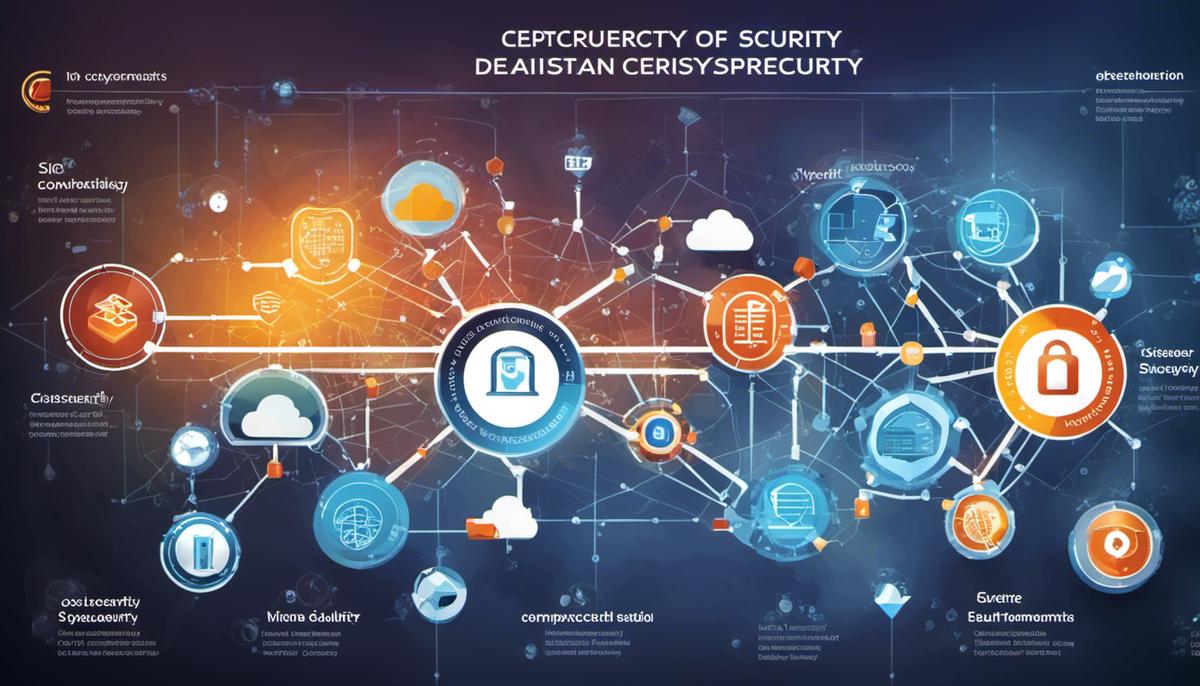
Cybersecurity Jobs Entry: Breaking into Cybersecurity

In a rapidly evolving digital landscape, cybersecurity has emerged as an indispensable professional field, acting as the bedrock of online safety and data protection. This comprehensive analysis delves into the intricacies of the cybersecurity field, underlining its integral role in the context of technology advancement. Through an exploration of key domains like Network Security, Incident Response, Application Security, and Threat Intelligence, this discussion paints a vivid image of the myriad opportunities within the realm of cybersecurity. Additionally, it underscores the amalgamation of technical and soft skills, from understanding operating systems and network traffic analysis to problem-solving and communication, which form a critical prerequisite for a shaped and competent cybersecurity professional.

Understanding the Cybersecurity Field

From personal devices to complex architectures of enterprises, the rapidly evolving field of cybersecurity covers its vast terrain to ensure protection against potential threats and attacks. There’s no denying: cybersecurity isn’t just an area of interest for tech enthusiasts – it has catapulted into a critical necessity for virtually everyone. Learning about the primary domains of this field is the first step to appreciating its necessity and functionality.

The core domains of cybersecurity encompass various disciplines such as Network Security, Cloud Security, Application Security, Information Security, Operational Security, and Disaster Recovery. The effective collaboration of these domains creates a robust cybersecurity infrastructure.

Network Security: The Initial Bulwark

Network security serves as the first line of defense against cyber threats. It oversees and regulates operations that protect the integrity and usability of the network and data. Implementation ranges from jargon-laden terminologies like ExtraHop, DarkTrace to more familiar firewalls and antivirus software. Intrusion detection systems (IDS) or intrusion prevention systems (IPS) also fall under network security, further ensuring a defensive barrier against cyber threats.

Cloud Security: The Watchful Skyward Guardian

With the widespread reliance on cloud-based storage, its protection is essential. Cloud Security employs protocols to safeguard data that are residing in the cloud and ensure the cloud-based applications’ security. Cloud Access Security Brokers (CASBs) and Firewalls are often used to secure cloud environments against data leakage and other threats.

Application Security: The Protective Cloak

This domain might be one of the favorites of tech enthusiasts. Application security focuses on keeping software and devices free of threats. Constrictive measures taken in this domain include application code reviews, penetration testing, and scans for vulnerabilities. Regular software patching, a favorite task of the tech-savvy, clearly amplifies the strength of this protective cloak.

Information Security: The Safe Keeper

Information Security, or InfoSec, is the discipline that concentrates on shielding organizational data from unauthorized access, disclosure, disruption, or destruction. It’s the embodiment of the confidentiality, integrity, and availability model (CIA). Be it encrypting hard drives or password-protecting documents, InfoSec keeps the data treasure safe and sound.

Operational Security: The Gatekeeper of Procedures

Operational security oversees the processes and decisions for handling and protecting data assets. It includes updates, policy restrictions, user access controls, and other protocols that protect sensitive information. These cybersecurity gatekeepers make sure that the processes do not leave vulnerable trails for cybercriminals.

Disaster Recovery: The Resilient Reviver

The last stop on this cybersecurity train, but never the least, is Disaster Recovery. Frenzied by a cyber attack? Not if there’s a disaster recovery plan! This domain defines measures to recover access to software, data, or hardware that are needed to resume the performance of critical functions after a cyber attack.

Understanding these domains provides a clearer view of the intricacies of a multi-layered cybersecurity strategy. Cybersecurity, like a puzzle, requires each of these domains to come together to create a comprehensive picture of security. So, let us wear our techie thinking caps and delve deep into this realm of cybersecurity domains, for therein lies the road to a safer, more secure cyber world.

Illustration showing interconnected blocks labeled with the six domains of cybersecurity: Network Security, Cloud Security, Application Security, Information Security, Operational Security, and Disaster Recovery.

Necessary Skills and Qualifications for Cybersecurity Jobs Entry

Building the Cybersecurity Professional Toolkit: Essential Skills and Credentials

In an age where global connectivity only deepens, cybersecurity jobs entry is on the mind of many people looking to join this exciting career. So, what skills and qualifications are essential in the toolkit of a blossoming cybersecurity professional beyond the foundations of network, cloud, application, information, operational security, and disaster recovery?

First and foremost, penetration testing often saluted as ethical hacking, takes a paramount seat. Prospective cybersecurity pros must think like a hacker to ward off attacks before they manifest. It’s essentially a simulated cyber attack on a system aimed at identifying vulnerabilities that adversaries could exploit. Earning certifications like Certified Ethical Hacker (CEH) or Offensive Security Certified Professional (OSCP) demonstrates commitment and proficiency in this key area.

Cryptology is another pillar. Mastery of this discipline, which combines cryptography (secure communication in adversary presence) and cryptanalysis (tearing down cryptographic systems), is crucial for any cybersecurity professional. Credentials like Certified Information Systems Security Professional (CISSP) and Certified Encryption Specialist (ECES) often speak volumes about a professional’s capacity in cryptology.

Still, on credentials, professionals eager to rise in cybersecurity will find it beneficial to pursue CompTIA Security+. Though considered an entry-level certification, it covers a broad range of essential knowledge areas and exhibits a foundational understanding of cybersecurity.

Then there’s computer forensics. It’s the deployment of analytic techniques to understand an attack’s full spectrum, tracing the adversary’s digital footprint. Earning a Certified Forensic Computer Examiner (CFCE) or Certified Computer Examiner (CCE) certification highlights the expertise and leaps on this front.

Intrusion detection moves hand in hand with computer forensics. This skill detects unauthorized access to systems and networks. Professionals may parlay this skill into a GIAC Certified Intrusion Analyst (GCIA) certification.

Building a secure code is pivotal. Why? Most security breaches happen at the application layer. Hence, skills in secure coding and understanding of programming languages can’t be ignored. Credentials such as Certified Secure Software Lifecycle Professional (CSSLP) seal your authority here.

This field demands knowledge of privacy laws and compliance regulations. It’s critical to understand how data must be protected legally, and certifications like Certified Information Privacy Technologist (CIPT) serve as an affirmation of this knowledge.

Knowledge of risk analysis, the method of identifying and understanding potential threats and vulnerabilities, helps in devising comprehensive security strategies. The Certified Risk and Information Systems Control (CRISC) is a testament to expertise in this sphere.

Command in operating systems and database management is a basic requisite. A clear understanding of Linux and Windows Server and credentials, like Microsoft Certified: Azure Administrator or AWS Certified SysOps Administrator, are definitive pluses.

Lastly, cybersecurity jobs entry isn’t all about hard skills. Soft skills, like problem-solving, teamwork, and communication, although often overlooked, are vital. They propel the complex conversations about risks and solutions between technology and business teams.

As an aspiring cybersecurity professional, these skills and credentials form an essential foundation, but it’s a field that continually evolves with technology. Continual learning and development, therefore, remain a ubiquitous part of the journey to build official credibility and stay ahead.

An image of a person in front of multiple computer screens displaying lines of code and security-related icons, representing the field of cybersecurity

Overview of Entry-Level Cybersecurity Positions

Pounding the Cybersecurity Pavement: An In-depth Overview of Entry-Level Opportunities

Exploring the vast terrain of cybersecurity reveals an abundance of intriguing entry-level jobs teeming with immense growth and learning opportunities. The emergence of new threats and response mechanisms continually expands the dynamic landscape of this cyber battlefield. It’s essential to get real-time insights into a few critical positions that form the backbone of cybersecurity.

The Cybersecurity Analyst is essentially the sector’s gatekeeper. Monitoring networks round-the-clock for probable breaches, their purpose – clear and precise: identify, analyze, and mitigate potential threats. From developing security strategies and implementing new security measures to conducting impact analysis after an incident, their role remains versatile and critical. They will utilize a myriad of tools, leveraging analytical and problem-solving skills to maintain a robust defense against cyber adversaries.

While the Cybersecurity Analyst monitors for emerging threats, the Security Engineer builds the fortification systems required. They help architect, design, and manage the technical aspects of an organization’s security infrastructure. Their responsibilities encompass configuring, maintaining, and parsing through the security tools, performing vulnerability assessments, and responding to security incidents. They must translate complex security designs for broader interdisciplinary teams, requiring a balance of technical knowledge and communication finesse.

Then, we have the often-underappreciated yet critical role of Cybersecurity Consultants. Their role traverses across sectors, extending their expertise to organizations needing to strengthen their security posture. This workforce is at the frontlines in assisting businesses in comprehending the implications of lax security measures, devising efficient strategies, managing risk, and ensuring compliance with regulatory frameworks.

Incident Responders, the threat neutralizers, engage actively during security breaches. In the unfortunate event of a security incident, these professionals leap into action to dissect the situation, manage the fallout, and remediate the attack. Swift action, razor-sharp troubleshooting, and a calm demeanor are their most potent ammunition.

Stepping into the exciting realm of ethical hacking, we encounter the Penetration Tester. Skilled in simulating cyber-attacks, these professionals pry open vulnerabilities in an organization’s security infrastructure. Instead of sitting and waiting for an attack, they initiate threat simulations, thus helping companies prepare better. After each simulated attack, they document the findings meticulously, insisting on immediate attention for vulnerability mitigation.

Lastly, the Security Administrators orchestrate the security operations behind the curtain. Tasked primarily with maintaining systems, creating user accounts, assigning permissions, and performing backups, these individuals ensure the smooth running of the organization’s security infrastructure.

Each of these job roles requires a unique blend of technical proficiency, strategic thinking, and curiosity. Combined with a continual learning mindset, these positions offer the perfect launchpad for a fruitful cybersecurity career. In this fight against veiled threats and unknown adversaries, every line of code, every monitored log, and every strategic decision counts. After all, in the world of cybersecurity, it’s always safer to be proactive than reactive.

Image illustrating a variety of entry-level opportunities in the field of cybersecurity, including Cybersecurity Analyst, Security Engineer, Cybersecurity Consultant, Incident Responder, Penetration Tester, and Security Administrator

Plan to Land an Entry-Level Cybersecurity Position

Having a robust knowledge base is the bedrock for prosperity in any field, and cybersecurity is no different. However, while gaining expertise and acumen can open the door, strategic moves determine the rate of progression through the room.

To land a successful entry-level position in cybersecurity, one must not only master fundamental cybersecurity concepts but also develop a comprehensive, strategic game plan. Step one is gaining relevant education. Having a degree related to computer science, information technology, or engineering can lend a crucial edge. However, this shouldn’t discourage individuals from non-traditional backgrounds. The field often values knowledge and experience over formal education.

An alternate approach is gaining experience through internships or entry-level positions where one isn’t directly handling cybersecurity but is exposed to critical IT operations. These positions may include roles as system administrators, network engineers, or, at a smaller scale, technical support. Throughout these roles, not only do you learn valuable technical skills, but you can also demonstrate your enthusiasm for cybersecurity, which could lead to a potential shift in role within the same organization.

Next is enhancing your portfolio with relevant certifications. While a CompTIA Security+ certification may have been obtained earlier, do not stop there. Consider more advanced certifications like CISSP, CEH, or GIAC, based on your career aspirations. Certifications gain you credibility and validate your commitment and knowledge to prospective employers.

Moreover, climbing atop the cybersecurity ladder entails more than just digesting theoretical information. It demands honing practical skills – the kind that can be obtained from coding and hacking simulators. With platforms like Hack The Box, Codecademy, and HackerOne, aspirants get to learn from hands-on experience and not just textbook knowledge. They can test their skills in real-life scenarios and improve their understanding of the process.

Another critical aspect is networking. Often overlooked, networking can be the linchpin of a successful cybersecurity career. By attending conferences, conventions, or meet-ups, one can meet professionals or veterans in the field, gain insights into hiring processes, get professional mentorships, and potentially find job opportunities. Such interactions have proven instrumental in inspiring innovation and influencing career ambitions.

One final significant element of this strategy is continuous learning. The cyber-world is continually evolving as newer threats appear and existing ones mutate. Staying at the top of new trends, studies, and skills is vital to remain relevant in the field. Dedicate time for daily learning, be it from blogs, podcasts, webinars, or research papers.

And finally, a point that can’t be emphasized enough – Cybersecurity is not just about systems; it’s about people, too. At its very core, the field is about protecting individuals and organizations. So, never underestimate the immense value brought by soft skills. Aspiring candidates should develop their abilities in problem-solving, critical thinking, communication, and leadership.

Entry-level roles in cybersecurity may be competitive, but these guidelines should help strategize effectively and push any aspiring cybersecurity professional in the direction of a rewarding career. Remember to define a clear road map leveraging these tactics—allowing your desires to shape your destiny in cybersecurity.

An image of a person working on a laptop with a lock icon representing cybersecurity career strategy

This detailed guide is designed to set the aspirants on the path toward the rapidly evolving field of cybersecurity, unveiling a strategic plan to land an entry-level position. From deciding on an area of interest, identifying the necessary certifications, and gaining relevant experience to mastering the art of the interview, every checkpoint in the journey is illuminated. Furthermore, resources and opportunities such as cybersecurity courses and internships, which could cultivate their foundations, are provided in detail. Stepping into the domain of cybersecurity requires dedication and insightful planning, but armed with the right knowledge and guided strategy, aspiring professionals can embark on a rewarding career journey for cybersecurity jobs entry.

In-Depth Look at Cyber Security Computer Technology

In an age of intelligence and interconnectedness where data reigns supreme, protecting it becomes paramount. Living in a world where information flows freely, and digital footprints mark our every move, cyber security has gone beyond being optional – it is now a necessity. With this article, we journey through the labyrinthine landscape of cybersecurity computer technology. From exploring the basics that form the bedrock of this complex field to gleaming insight into the emergent cyber threats that keep expert security professionals on their toes, from gaining an understanding of the revolutionary advances in cyber security tech to studying notorious breaches that jolt the industry. All of this while also trying to crystal-gaze into what may lay ahead in the future of cyber security – Here’s a holistic endeavor to unravel the intricate, often enigmatic world of cyber security.

Understanding the Basics of Cyber Security

Many view cyber security as the proverbial “guardian at the gates,” the digital fortress that protects our most valuable and sensitive information. Aligned with this perspective, for those tech enthusiasts keen on adopting the latest technological trends, it’s imperative to unravel the fundamental principles embedded within the concept of cyber security.

Firstly, Confidentiality is paramount. Like a vault that safeguards a multimillion-dollar asset, cyber security mechanisms must ensure the secrecy of information. This keeps unauthorized individuals from accessing sensitive information, ensuring only those with the correct credentials can access the data they’ve been granted to.

Then comes Integrity, ensuring that the data remains unaltered in transit and is exactly the same when it reaches its destination. Cyber security measures must pack quite a punch in being able to detect and ward off threats that aim to modify or destroy original data.

Availability, on the other hand, ensures that authorized users have uninterrupted and timely access to resources and information. Everyone knows the frustration of being unable to retrieve necessary data due to system downtime. To eradicate this inconvenience, adequacy and robustness in computing resources are essential.

Next up – Authenticity; here is where cyber security ensures that transactions, as well as communication between various entities, are genuine. It’s about making sure that those you’re interacting with online are indeed who they claim to be.

Non-repudiation is another significant principle. In this context, it means that a sender cannot deny sending a message, and likewise, the receiver cannot deny receiving it. This stands to remove the possibility of false denial of a transaction or message transfer, which could otherwise leave space for digital dispute.

Last but not least, the principle of Responsiveness comes into play. Cybersecurity mechanisms should have the propensity to respond immediately to any unauthorized intervention or possible threats. Quicker response times essentially mean threats are efficiently nipped in the bud before they can cause more damage.

In essence, cyber security is not just about protection against threats—it’s a holistic approach amalgamating several principles to uphold the integrity, confidentiality, and availably of digital assets. It’s about building a digital fortress strong enough to withstand the ever-evolving saga of cyber threats while ensuring smooth sailing for authorized users navigating its currents. Evidently, in the breakthrough era of technology, where much of our lives and identities are tied to the digital realm, it becomes indispensable to incorporate these principles, utilizing technology not just to exist but to persist and thrive.

A diagram illustrating the principles of cyber security, including confidentiality, integrity, availability, authenticity, non-repudiation, and responsiveness.

Emerging Cyber Threats

Safe, Secure, Savvy – Navigating Today’s Emerging Cyber Threats

As technology’s rapid pace continues to forge ahead, moving us into the future, it has become increasingly critical for us to stay abreast of the shifting sands of cyber threats. These ever-evolving risks are not only shaping the landscape of cybersecurity but also dictating the way we interact with and treat our tech.

Moving past the essential touchstones, such as confidentiality, integrity, authenticity, and responsiveness, it’s important to delve into the emerging threats now redefining the boundaries of online safety and data protection.

AI-fueled attacks, for one, are on the rise. Harnessing the power of artificial intelligence, tech-savvy cyber criminals now craft deceptive deepfakes and engage in intelligent phishing strategies, personalizing malicious material with a level of sophistication previously unseen. If not nipped in the bud, these AI threats could compromise sensitive data, making a robust cybersecurity infrastructure non-negotiable.

Supply Chain Attacks, another rising concern, target less-protected elements in the supply chain network, causing havoc. The infamous SolarWinds attack in 2020 is a resonating example of such attacks’ potency. It emphasized the dire need for fortified security measures across the entire supply chain trajectory.

Cloud jacking also looms large – a cyber threat linked to organizations’ increasing reliance on cloud services. By infiltrating these digital spaces, hackers gain illicit access to valuable information. Therefore, implementing the latest cloud security protocols is central to maintaining non-repudiation and ensuring the availability of services.

Lastly, let’s turn our gaze towards the threat of 5G-enabled attacks. As 5G edges us towards a new era of connectivity, it concurrently expands the risk scope for cyber threats. The increased number of connected devices on this high-speed network provides more entry points for hackers, mandating stringent safety measures for IoT devices.

The updated threat landscape unquestionably poses unprecedented challenges to data security, demanding a shift from traditional security strategy to more comprehensive, highly advanced solutions. Recognizing these threats early and developing robust security measures is crucial, as is understanding which technology tools provide suitable defenses. Staying ahead of these threats requires ongoing vigilance, horizon scanning, and building security measures that are as dynamic and evolving as the threats they are designed to counteract.

Moving forward, armed with the right knowledge and tools, we can respond to these threats proactively, reinforcing our defenses and ensuring we are well-equipped to navigate this continually evolving cyber landscape. Let it serve as a reminder to never be complacent in the face of technology, keeping the balance between harnessing its power and mitigating its potential risks.

Illustration depicting various cyber threats such as hackers, deepfakes, and cloud jacking.

Advanced Cyber Security Technologies

Delving into the world of cybersecurity, it is critical to underscore the role of advanced technologies in optimizing security measures. With innovations such as Machine Learning, Blockchain, and Quantum Computing transforming the landscape of cybersecurity, their efficacy hinges significantly on their seamless deployment and integration.

Machine Learning (ML) and Artificial Intelligence (AI) offer game-changing transformations in cybersecurity. Rooted in the capability to catalyze threat detection, their proficiency lies in learning from historical cyber-attack patterns and subsequently predicting similar vulnerabilities. Machine Learning no longer waits for a human to identify and address cyber threats. It tracks and neutralizes threats real-time, greatly reducing the potential impact and severity of security breaches.

Replicating the human brain via algorithms allows ML to sift through voluminous data during threat analysis, something that would ordinarily take humans innumerable hours or even be impossible due to sheer volume. It is also essential in identifying zero-day vulnerabilities – threats not yet identified in the system- by flagging unusual activity. Leveraging ML and AI, cybersecurity shifts from a reactive to a proactive stance, predicting and mitigating threats before they materialize.

Pivoting to Blockchain, a buzzword often associated with cryptocurrency, is now turning heads in the cyber defense sector. Blockchain brings forward an immutable and decentralized ledger system, making data tempering an immensely strenuous process. Blockchain’s capacity to encrypt each transaction and link it irreversibly to transactions before and after it leads to an indelible audit trail, bolstering data integrity.

Distributed Denial-of-Service (DDoS) attacks, prevalent cybersecurity threats, can also be mitigated by Blockchain through its decentralized nature. Savvy attackers often target centralized servers for a successful DDoS attack. Should these servers be replaced with a plethora of nodes (as in a blockchain network), attacker’s missions get complicated, and DDoS threats get substantially neutralized.

Crowning the list of advanced technologies is Quantum Computing. In its basic sense, quantum computing revolves around quantum bits or qubits, offering enormous computational power. For cybersecurity, quantum computing promises ultra-secure communication links, commonly referred to as Quantum Key Distribution (QKD). In the event of any attempt at intrusion during communication, QKD facilitates the alteration of the encryption key, rendering the stolen data useless.

While these technologies offer a wealth of advancements in cybersecurity, they are not entirely infallible. ML and AI can be tricked by skilled attackers into recognizing malicious code as benign. Blockchain, despite its touted security parameters, is still susceptible to a ‘51% attack,’ wherein an entity gaining control of the majority of the network could alter the data. The implementation of Quantum Computing, for all its potential, is still in the early stages, with adoption and optimization issues yet to be ironed out.

To conclude, the technological warp speed at which we are operating demands an even more accelerated focus on cybersecurity. Leveraging advanced technologies serves as a powerful tool in contending with cyber threats. However, ensuring these technologies’ secure and effective implementation remains pivotal to realizing their full protective potential. “In cybersecurity,” as they say, “Innovation is the key, but vigilance is the doorkeeper.”

A computer screen with lines of code and a padlock symbolizing cybersecurity

Case Studies on Cyber Security Breaches

In dissecting the high-profile cybersecurity breaches of recent years, a critical learning can be elucidated: the irreplaceable role of cybersecurity education and awareness. Cybersecurity is not a responsibility that solely resides with the IT department but extends to all personnel who access sensitive data and systems. The Yahoo data breach in 2013 serves as a painful reminder of this point, with 3 billion user records getting compromised due to an intricate web of deceptive phishing attempts and insider negligence.

Constant training and information updates about the evolving nature of threats can help build a fortified human firewall. A well-informed workforce can serve as the first line of defense against phishing and other social engineering maneuvers. Emphasis should be applied across the organization – from the new intern to the top leadership. Everyone should understand the potential risks of lax cybersecurity practices.

Further, the risk of legacy systems has been highlighted time and again in significant breaches. The WannaCry ransomware hits in 2017 dramatically demonstrated how outdated systems could cripple organizations globally. Intriguingly, the victims were not obscure companies with no IT budget but established entities such as NHS, FedEx, and Deutsche Bahn. Lesson? Transitioning to updated systems is non-negotiable for optimum cybersecurity. Strategically replacing or patching older systems can pay dividends in thwarting breach attempts.

In line with this, prioritizing continuous security improvement is crucial. Cybersecurity is not a ‘set-it and forget-it’ arena. It demands continuous monitoring and improvement strategies. Case in point, the infamous Equifax breach in 2017 occurred due to a known vulnerability in the Apache Struts software. A diligent vulnerability management program entailing regular patching and updates could have averted the staggering loss of 147 million records.

Beyond software, stronger emphasis should be placed on encryption and secure data-at-rest policies. The Uber data breach of 2016 is a testament to the importance of data encryption. The personal data of 57 million drivers and customers was left unprotected in cloud data storage, leading to disastrous consequences. Incorporating sturdier encryption techniques and regularly auditing to verify their proper implementation is a lesson worth applying.

Lastly, the central theme recurring in all significant breaches is the inevitability of incidents – it’s a matter of ‘when’ more than ‘if’. Hence, continually building a robust incident response and recovery plan is essential. The Equifax breach resulted in an excruciating 76-day response time period due to a poorly managed incident response – a costly misstep. A well-structured incident response plan that includes clear communication protocols can help control damage and restore operations promptly.

Collectively, these lessons reinforce how keeping pace with evolving threat landscapes cannot be achieved with technology alone. It requires a well-rounded strategy involving up-to-date systems, continuous security improvement, robust incident response plans, and, above all – perpetual cybersecurity education and awareness.

Illustration depicting cybersecurity education and awareness for website

Future of Cyber Security

Progressing into the future, cyber security is heading towards a more automated, intelligent, and predictive manner of protecting systems and data. With the rise of more advanced, increasingly sophisticated threats, high-tech advancements like the development and implementation of behavioral analytics in data protection are becoming non-negotiable.

Behavioral analytics plays a significant role in predicting future cyber attacks by learning from previous compromise attempts. This technology employs machine learning algorithms to recognize patterns and identify irregular activities. By analyzing vast amounts of log data, behavioral analytics can differentiate between regular and anomalous behavior while pinpointing potential threats.

Another clear trend involves the coordination and integration of different security platforms to improve detection and response times. As cyber-attacks grow more complex, responding to a threat detected by one tool with another can be time-consuming and inefficient. Hence, the future lies in security platforms that communicate with each other, driving towards a more cohesive, streamlined cybersecurity response system.

Furthermore, the Zero Trust model drives the future of cybersecurity by dismantling the traditional “trust but verify” method, instead following a “never trust, always verify” mentality. As organizations increasingly adopt remote working, the traditional corporate network is disappearing and, with it, network-based security. Zero Trust offers a solution supporting a distributed network while ensuring every request is thoroughly authenticated, authorized, and encrypted before access is granted.

Meanwhile, homomorphic encryption is an advanced cryptographic method promising to revolutionize data privacy. Unlike traditional encryption techniques, which require decryption before conducting operations, homomorphic encryption allows computations to be performed directly on encrypted data, providing result that, when decrypted, matches the outcome of operations performed on the plaintext. This method dramatically enhances data privacy and security, particularly when processing sensitive data in public clouds.

The future also spotlights secure access service edges (SASE). Integrating network and security services into a single cloud-based service, SASE converges functions like Secure Web Gateways, Firewalls as a Service, and Zero Trust Network access. Offering ease of management and upgraded security, SASE solutions are primed to be a significant piece of the cybersecurity puzzle.

While we anticipate these promising advancements, it’s paramount to acknowledge continued risks. No technology is foolproof, hence the need for cybersecurity professionals to remain updated on the latest threat intelligence and adapt their security measures accordingly. Future-facing cybersecurity will be characterized by perpetual learning and the ability to adapt swiftly to new challenges.

Admittedly, the cybersecurity landscape is evolving at a rapid pace, fuelled by emerging technological innovations. While these advancements present opportunities for improved security measures, they also heighten complexity and potential vulnerabilities, requiring cybersecurity professionals to remain agile, ever-vigilant, and ready for whatever comes next. After all, cybersecurity isn’t a final destination but a never-ending journey. As we look ahead, we can expect a future punctuated by increased intelligence, integrated responses, and security that’s woven into the very fabric of technology.

An image depicting the future of cybersecurity with interconnected network nodes and data encryption symbols

As we persist in the Age of Information, fortification and resilience against cyber threats will increasingly determine survival and success. Equipping ourselves with a strong understanding of cyber security principles, awareness of common and emerging threats, practical knowledge from past breaches, and anticipation of future trends are all essential for traversing the ever-volatile cyber landscape. While technological tools enhance our capabilities, they are only as foolproof as the strategy and knowledge guiding their utilization. This exploration provides a strong and rounded perspective on cyber security, serving as a beacon for individuals and groups invested in preserving the sanctity and safety of the cyberspace thereby steering the helm of the digital future confidently.

Cyber Security Services Companies: Ensuring Business Protection

Amid rapidly evolving technological landscapes and escalating cyber threats, businesses are substantially leaning towards fortifying their digital defenses. While cybercrime rates continue to spike, it’s palpable that many organizations are still grappling with the complex intricacies of cyber security, the significance of the services offered, and how to select the most adept cyber security services companies.

This discourse dovetails into the realm of cyber security, elucidating various facets such as the demystification of these services, the distinctive types available, the indispensable role of cyber security companies, the latest trends redefining this sector, and the paramount considerations in the selection process. Undertaking a detailed exploration of these essential topics provides a salient roadmap in navigating the sometimes mystifying terrain of cyber security services.

Demystification of Cyber Security Services Companies

Unveiling Cybersecurity Services: The Shield of the Digital Age

As the digital sphere continues to mature, the issues of data breaches, hacking, and other forms of cyber-attacks have launched themselves into the spotlight. You’ve heard about them, read about them, and maybe even been a victim of them. So now begs the question, how can they be thwarted? Enter cyber security services – the silent warriors warding off menacing cyber threats.

Cybersecurity services come in a variety of forms, each designed to tackle a specific facet of cyber protection. Ranging from

, these services establish an impermeable fortress around delicate information.

One of the cardinal offerings in the cybersecurity segment is Vulnerability Assessment and Penetration Testing (VAPT). This serves to identify, quantify, and prioritize vulnerabilities in a system. Pushing this one step further is penetration testing, also dubbed as ethical hacking, where simulated attacks on a system determine its potential weak points.

Endpoint security services have also emerged on the frontline of the cyber defense world. With the number of devices connected to networks shooting off the charts, establishments are no longer limited to a fixed, secure location. Hence, securing every endpoint that connects to a network – be it laptops, mobile devices, or IoT devices – is pivotal. With endpoint security, potential attack paths into sensitive networks are effectively sealed off.

Moreover, the essence of cybersecurity services goes beyond just plugging holes in virtual walls. Being outfitted with top-notch security technology is great, but a single human error can still lay waste to that. To that end, cybersecurity services also encompass user awareness training to caution against phishing scams, sketchy emails, and unauthorized downloads.

Now, on to the pressing question – why are these services critical?

As technology burgeons, the virtual landscape becomes a playground for nefarious cyber activities. The onus of securing personal or business data doesn’t just lie on Fortune 500 companies or technology conglomerates. From e-commerce websites to personal blogs, virtually every online presence is a potential target for sly hackers operating in the shadows.

The cost of a single cyber-attack can be devastating. According to a 2020 report by Cybersecurity Ventures, the global cost of cybercrime is projected to hit $6 trillion annually by 2021. The same report suggests that a business will fall victim to a ransomware attack every 11 seconds by 2021.

Cybersecurity services are the guardians that stand between businesses and a virtual apocalypse. In the era of globalization, a strong cyber defense ensures the continuity of services, maintains customer trust, and upholds the brand reputation.

Ultimately, the value of cybersecurity services is an investment in harm prevention and risk management. In an increasingly interconnected world, the potency of the cyber shield will define not just the survival but the prosperity of the digital world. It’s not optional anymore; it’s a necessity.

cyber security services companies

Types of Cyber Security Services

Branching from these vistas into the multifaceted realm of cybersecurity, we delve into a more specialized stratum – the offerings of Cyber Threat Intelligence (CTI) services.

Capitalizing on anticipatory measures, these services constitute a proactive approach to cyber defense. They monitor potential threats, dissecting and analyzing them in the context of a company’s unique digital landscape. With the intricate profiling of threats, companies can foresee imminent avenues of attack, thereby fortifying their cyber architecture preemptively. Above the prevalent reactive solutions, CTI delineates future attack vectors, turning prediction into potent cyber armament.

Further extending the defenses are Managed Security services – edging close to a complete cybersecurity solution. These are third-party service providers overseeing a company’s cybersecurity operations round-the-clock. They assume responsibility for identifying and alleviating threats, managing and tuning security systems, and, generally, ensuring the optimal performance of cyber defenses. With heightened dedication to security and cyber expertise, managed services enable businesses to focus on core operations undistracted by looming cyber threats.

In the second-line defense, companies can leverage Security Incident and Event Management (SIEM) services. These tools are versatile watchfires efficient in logging security incidents and events, their analysis, and reporting. SIEM services collect and aggregate data, darting across vast digital terrain and detecting abnormalities or suspicious activities pointing toward potential breaches. With real-time monitoring and automated alerts, they reveal the picture of cybersecurity status dynamically, with a granularity that leaves no room for oversights.

For the paradox of human strength in cybersecurity, there are biometric security services – a step beyond what we conventionally recognize as passwords. These services use human biological data – like fingerprints, facial recognition, and voice patterns – that are nearly impossible to replicate, thereby providing an extra layer of protection.

Coming to damage control measures, there’s Disaster Recovery as a Service (DRaaS). Echoing its name, the service bounces back crucial systems and data after cyber-attacks or system failures. It’s an assurance of business continuity and stability amid cyber adversities.

On the far end of the spectrum, we have Compliance Auditing services as a measure to ensure your organization’s cybersecurity systems adhere to all legally mandated regulations and standards. These audits ensure that you are not just protected but are defending your cyber terrain within the parameters of legal and industry best practices.

In the grand scheme of cybersecurity services, there’s no one-size-fits-all solution. Each of these services targets unique aspects of cybersecurity, some focusing on anticipation and prevention, others on real-time protection, damage control, or regulatory compliance. It’s a selection influenced by an organization’s risk profile, industry regulations, strategic objectives, and compliance requirements. As the cyber landscape’s complexity continues to evolve, leveraging a robust combination of these services may well be the best course of action.

A visual representation of various cybersecurity services available depicting different layers of protection, from CTI services to compliance auditing.

The Role of Cyber Security Companies

Diving deeper into the scope of cybersecurity services, Cyber Threat Intelligence (CTI) forms an integral piece of the jigsaw. Dutiful cybersecurity service providers allocate significant resources towards CTI. By critically analyzing information about potential attack sources, CTI enables organizations to robustly defend against imminent threats – almost like a sixth sense for cyber defense.

Opting to contract out part, or all, of their cybersecurity requirements, more businesses are leaning towards Managed Security Services (MSS). The benefits are two-fold – it allows organizations to keep pace with evolving threats and also provides access to security expertise that might not otherwise be economically feasible. Not to mention, it lets in-house IT teams focus on core business tasks rather than worrying about organizational security.

As we move further down the cybersecurity spectrum, Security Incident and Event Management (SIEM) services play a pivotal role. In a cyber-world dense with sophisticated threats, SIEM provides a bird’s eye view of an organization’s information security. By collecting and correlating data from multiple sources, SIEM helps filter out the noise, thus enabling swift response to genuine security incidents.

The use of Biometric Security Services continues to penetrate mainstream cybersecurity due to its inherent strength in authentication. With password theft becoming pedestrian, the implementation of biometric data as a security measure adds another robust layer of protection. Fingerprints, eye scans, voice recognition – these are unique traits, almost impossible to replicate, thereby bolstering security regulations.

In addition, no rational planner would disregard the possibility of a disaster striking. To account for this, Disaster Recovery as a Service (DRaaS) comes to the rescue. Providing cloud-based data recovery solutions it minimizes data loss and downtime during catastrophic situations. The emphasis is more on resilience and getting back to ‘business as usual’ than merely resisting attacks.

Lastly, let’s discuss Compliance Auditing Services. A well-fortified security system doesn’t just ward off cyber attacks; it also meets industry-specific regulations and standards. Compliance Auditing services ensure that organizations are up-to-speed with these compliances, consequently avoiding fines and further bolstering their reputation as secure service providers or business partners.

In essence, cybersecurity service companies serve as an incredibly robust, multi-layered shield, protecting organizations from the ever-growing, ever-changing landscape of cyber threats. A sound investment, indeed. The digital age waits for no one, after all.

A group of professionals discussing cybersecurity strategies

Key Trends in Cyber Security Services Companies

As we venture deeper into the digital age, the horizons of cybersecurity are rapidly expanding. The next wave to break into mainstream consciousness encompasses several emerging trends. Namely, Cyber Threat Intelligence (CTI), Managed Security Services (MSS), Security Incident and Event Management (SIEM) services, Biometric Security Services, Disaster Recovery as a Service (DRaaS), and Compliance Auditing Services.

CTI has been hitting the radars of companies eager to outpace potential threats. By implementing CTI, companies leverage advanced intelligence capabilities and technologies to detect and predict cyber threats before they strike. As a proactive approach, CTI is gaining traction as an essential armor in any cybersecurity strategy.

Managed Security Services, on the other hand, swoop in to take the load off companies dealing with the sprawling complexities of cyber protection. They provide round-the-clock monitoring and management of cyber threats. Taking advantage of this external expertise allows businesses to focus on core operations while enjoying high-level security.

Security Incident and Event Management (SIEM) services are garnering attention for their ability to guarantee robust security vigilance. These services provide real-time analysis of security alerts generated by applications and network hardware, making them a great tool for monitoring, detecting, and responding to cybersecurity incidents.

Drawing on the unique biological markers of individuals, Biometric Security Services offer an extra layer of security that’s hard to infiltrate. A fingerprint, a retinal pattern, or a voice print is unduplicable, making this an irresistible addition to the cybersecurity toolkit. The uptake of biometrics across industries shows how businesses are waking up to their capability for barring unauthorized access.

Business continuity is putting DRaaS at the frontlines of the cybersecurity landscape. The service aims to limit the gravitas of potential cyber threats by ensuring a company can pick up from the last marker before disaster strikes. Companies now regard DRaaS as a business survival tool rather than a fancy add-on.

Last but not least, Compliance Auditing Services tops off this list of new guard heroes in cybersecurity. With data protection regulations tightening globally, enterprises are turning to these services to avoid legal mishaps. An effective compliance audit service ensures a company’s operations and procedures adhere to regulatory requirements, further reinforcing its cybersecurity framework.

Conclusively, these services not only lash out against cyber threats but also provide the tools necessary to manage and minimize damage when under attack. Even better, they offer this protection while ensuring a company’s operations stay within the bounds of regulating bodies. Adopting these services is underway, no doubt. How quickly and thoroughly, however, is a question that companies urgently need to answer to ensure they stay one step ahead of cybercriminals.

Illustration of different cybersecurity trends

Choosing Cyber Security Services Companies

As we venture forth into the unseen web of cyber security services companies selection, it’s essential to examine other core factors necessary in making an informed choice of your security partner.

Beginning with the robustness of technology and innovation, a competent provider’s arsenal should hold top-tier innovations in the security tech sphere. Security technology is as potent as its adaptability to face the ever-evolving cyber threats. The provider should be adept in utilizing advanced machine learning and artificial intelligence to enhance threat detection and timely response.

Speaking of responses, Incident Response (IR) is another critical aspect. Rapid detection of threats loses substance if the response to the incident is not immediate and efficient. You’d want a provider that not only detects and reports a breach but also delivers a proficiently analyzed course of action to address it.

Moreover, don’t overlook the importance of Threat Hunting. Even with the most advanced defenses, proactiveness defines a provider’s quality. A worthy cybersecurity team will constantly hunt for unknown threats and possible entry points in your digital perimeter, saving you from dormant cyber time bombs.

Checking the past record and reputation of the cybersecurity service provider can also shine a light on their competence. History doesn’t always predict future performance accurately, but it does provide a blueprint of their abilities and reliability. Renowned tech-review platforms and user reviews are good starting points to unearth such details.

Furthermore, the scalability of services is an absolute must, as your business is not static; it will grow and evolve. Ergo, cybersecurity services should be dynamic and grow with your enterprise, adjusting to new challenges along the way.

The assessment of Service Level Agreements (SLA) is equally essential when choosing a cybersecurity provider. Why? These contracts outline exactly what you’re getting. They explain response times, containment, and recovery expectations, giving you a clear picture of the service benchmarks and redressal measures in case of unmet expectations.

Finally, yet importantly, verify the cybersecurity provider’s credentials. This isn’t mere paperwork; it’s an assurance of quality. Look out for certifications such as ISO 27001, SOC 1, and SOC 2, as they are slowly becoming a standard for security providers.

In the realm of cybersecurity, settling is not an option. It is much more than a purchase – it’s an investment. An investment towards securing everything your enterprise stands for. As the digital waves ebb and flow, your cybersecurity service provider will be your fortress. Choose wisely.

Image depicting cybersecurity tips and practices for website security

Adopting a diligent and informed approach to understanding and leveraging cybersecurity services is paramount for businesses wishing to thrive in today’s digital world. An adept understanding of the services being rendered, the role of cyber security companies, and the emerging trends shaping this sector can substantially enhance the fortification of a business’s cyber infrastructure.

Furthermore, a discerning approach to choosing a security services company rooted in its expertise, service offerings, and adaptability to emerging threats and technology is essential. As cyber threats continue to metamorphose, companies that stay abreast of these dynamics and continually refine their strategies to provide top-tier services will invariably prove to be indispensable partners in the continuous fight against cybercrime.

Cybersecurity Analyst Job Description

In the ever-evolving landscape of digital technology, the need for safeguarding sensitive information has never been more crucial. The role of a Cybersecurity Analyst stands at the heart of this digital fortress, and it’s a job demanding an intricate blend of technical competency and analytical expertise. This article delves into the fundamentals of a Cybersecurity Analyst’s role, the extensive skill set required, the emerging trends in the cybersecurity sector, and potential career opportunities. Furthermore, it briefly touches upon the challenges faced by professionals in this field and possible mitigation strategies.

Cybersecurity Analyst Job Description

The Essential Roles and Responsibilities of a Cybersecurity Analyst

In the fast-paced, high-tech world of today, cybersecurity is more important than ever before. It’s the end line of defense against ever-evolving threats to our digital landscape. Tasked with the crucial role in this deterrent force are cybersecurity analysts. But what exactly are the primary functions of these digital guardians?

Cybersecurity analysts play the essential role of protectors of sensitive information. Their foremost responsibility is to safeguard an organization’s data from a host of potential threats. Methodical, meticulous vulnerability testing is a key part of an analyst’s job to ensure systems and networks remain impervious to breaches. They proactively identify weak points and create robust security measures to uphold system integrity.

Part of being on the offense is staying ahead of the curve. Cybersecurity analysts understand the importance of staying updated with the latest trends and advancements in information technology and cybersecurity. New threats emerge almost as fast as new technology; keeping abreast of these trends enables analysts to anticipate potential vulnerabilities and take pre-emptive action.

In the event of a security breach, swift response and efficient problem resolution is crucial. A cybersecurity analyst is responsible for immediate incident response to quickly quarantine and resolve the problem to prevent further damage or loss of data. Following a breach, analysts conduct comprehensive post-incident analysis. They dissect the attack in detail to understand its nature, how it succeeded, and how similar future attacks can be prevented.

Instead of hoping to thwart every threat, the astute cybersecurity analyst also prioritizes risk assessment and mitigation. By analyzing potential risks, they can judiciously distribute resources and create a strategic plan focusing on the most probable and harmful threats. It isn’t about preventing all attacks but rather focusing on those that could cause the most damage.

Building a secure IT infrastructure involves a blend of tech-savviness and people skills. Every user is a potential vulnerability, so cybersecurity analysts undertake the role of educators. They train staff members in best practices for protecting sensitive information, raising the overall hygiene level of a company’s cyber behavior.

Furthermore, these analysts often liaise with different stakeholders – from board members to technical teams, ensuring the organization’s security policies and protocols are understood and executed correctly. This requires exceptional communication skills, as they translate complex cybersecurity jargon into language that non-technical individuals can understand.

Ultimately, the role of a cybersecurity analyst is nuanced and multidimensional. They are the evolving first line of defense, constantly navigating a shifting landscape of potential threats. In this dynamic landscape, the importance of their vigilance and adaptability cannot be overstated. A cybersecurity analyst is not only a gatekeeper but also a strategist, a researcher, a problem-solver, and an educator – a blend of roles that makes them indispensable in our modern, digital world.

cybersecurity analyst job description

Necessary Skills and Knowledge

Developing a deep mastery of coding languages and networks is not an option for cybersecurity analysts but, rather, a mandatory skill. Knowledge of various languages such as Python, Java, C++, and the like affords analysts the ability to probe into potential weaknesses in a system, as well as build robust security measures. Understanding Network architecture, topology, and protocols and familiarity with both operating systems and cloud platforms, round off a comprehensive technical knowledge base.

There is no denying the importance of penetration testing proficiency for cybersecurity analysts. This hands-on approach to system auditing, deliberately probing systems for vulnerabilities, enables the prevention of possible breaches and unauthorized access. Mastery of penetration testing tools, such as Metasploit and Wireshark, is crucial.

Effective cybersecurity is not only about defense but also anticipatory action. Therefore, threat intelligence plays a fundamental role in the suite of skills that a successful cybersecurity analyst should have. Proficiency in discerning potential threats, discerning attacker patterns, and integrating this knowledge into defensive strategies is integral to this role.

Cybersecurity analysts should also bulk up on knowledge of legal regulatory compliance. With various laws and standards in place regarding data security and privacy, such as the General Data Protection Regulation (GDPR) and the California Consumer Privacy Act (CCPA), compliance is no longer an added advantage in the role of a cybersecurity analyst but a core requisite.

Coming hand in hand with compliance is the necessity of understanding disaster recovery planning. The analyst must be adept in inefficient recovery and business continuity plans in case of a system breach. Furthermore, knowledge of digital forensics, including data recovery and system restoration, and analyzing digital evidence of cybercrimes is paramount.

Communication skills are often overlooked, yet they are a linchpin in the successful execution of a cybersecurity analyst’s role. They will have to communicate complex and technical information to non-technical staff efficiently and clearly. They will also be responsible for producing and presenting detailed reports for management. A successful cybersecurity analyst should be able to switch seamlessly between the complexities of code and the clarity needed for communication.

Finally, a sharp analytical mind and strong problem-solving skills are the greatest assets a cybersecurity analyst can possess. From identifying potential threats to decoding cryptic hacker tactics, the analyst should be prepared to tackle a diverse range of challenges.

A cybersecurity analyst’s role is multifaceted, complex, and integral to any organization in the digital age. Therefore, the knowledge base and skill set required are expansive and constantly evolving. Despite the overwhelming list, the thrill of keeping pace with the fast-evolving cyber landscape makes it an exciting and rewarding field to be part of. As such, the importance of continuous learning and adaptation remains unparalleled.

A visual image depicting cybersecurity concepts and protective measures

Emerging Trends in Cybersecurity

Continuing with the deep dive into the dynamic world of cybersecurity, it’s worth noting the influential trends modern cybersecurity analysts should have their radars set on.

Artificial Intelligence and Machine Learning:

In the battle against cyber attacks, AI and ML provide critical advantages. These technologies help identify potential threats, predict attacks, automate responses, and even learn from previous breaches. They enhance cybersecurity analysts’ abilities to monitor, detect, and prevent cyber threats.

The Rise of Quantum Computing:

While still in the earliest stages, quantum computing poses unique challenges. Theoretically, quantum computers would have the ability to break current encryption methods. Ensuring cybersecurity tactics evolve to resist such potential breaks is vital.

Data Privacy Regulations:

With data breaches becoming commonplace, there is a global trend toward stricter privacy laws. Analysts must work within this evolving legal framework and its increasingly stringent requirements. Compliance with regulations like the GDPR and CCPA is now part of the role, but keeping pace with the latest additions and modifications to these laws is a must.

Cybersecurity Mesh:

The spread of remote work is changing the scope of cybersecurity. Instead of securing a central physical location or a specific network, security measures must extend to individual workers’ devices and home networks. The concept of cybersecurity mesh addresses this need by considering the security of any access point within a network, regardless of its location.

Cloud Security:

With cloud usage becoming the norm, securing cloud infrastructure is critical. Cybersecurity analysts need to be well-versed in various cloud security tools and best practices to ensure data stored in the cloud remains safe.

DevSecOps:

This integrates security into the DevOps process, upholding security considerations from the earliest stages of software development. Cybersecurity analysts should be familiar with this methodology to ensure a holistic view of the company’s security posture.

To effectively navigate the cybersecurity landscape, analysts not only need to possess strong technical skills and understand the current tools and technologies but must stay ahead of these emerging trends. By doing so, they ensure the ability to respond to, and prevent, the increasingly sophisticated attacks of the future.

An image showing different cybersecurity trends, including AI, quantum computing, data privacy regulations, cybersecurity mesh, cloud security, and DevSecOps.

Career Path and Opportunities

With the foundations laid in understanding the roles, skills, and responsibilities encompassing a cybersecurity analyst career, the focus shifts to the scope and trajectory for professionals in the field. Indeed, the future promises exponential growth, dynamic roles, and abundant opportunities.

One of the stepping stones in a cybersecurity analyst’s career is moving into specialized roles. Ranging from Security Auditors and security Architects to Chief Information Security Officers (CISOs), the pathways are diverse and rewarding. For example, Security Auditors are key in ensuring organizations align with security regulations, while Security Architects create secure network designs to ensure strategic planning of security policies.

As technology advances and organizations’ reliance on digital infrastructure increases, so does the demand for expert cybersecurity professionals. According to the Bureau of Labor Statistics, the field of cybersecurity is projected to grow 32% between 2018 and 2028, more than six times the average growth rate. With this comes expanding roles and a need for leadership positions, CISOs being one of them. These high-level executives are responsible for overseeing all aspects of cybersecurity, making strategic decisions, and boosting business value.

In parallel with career advancements, the sector is continually affected by emerging technologies. Organizations are integrating Artificial Intelligence (AI) and Machine Learning (ML) into cybersecurity efforts. These tools increase response times, improve threat detection, and unburden manual tasks from analysts. Hence, being well-versed in AI and ML could drive advancements in one’s cybersecurity career.

Quantum computing, another novel tech leap, poses both challenges and opportunities. While potentially cracking the encryption algorithms currently deemed secure, quantum computing can also revolutionize data encryption, heralding a new era for cybersecurity and requiring professionals who can navigate this new landscape.

The Cybersecurity Mesh concept offers another innovative approach to prevent cyber-attacks. It allows for flexible, scalable, and reliable security by decentralizing policy enforcement from one place to multiple individual endpoints. Understanding the practical applications of this framework becomes, undoubtedly, an essential asset for a successful future in cybersecurity.

Moreover, as businesses shift towards the cloud, the need for Cloud Security expertise escalates. Cloud environments can present unique vulnerabilities, and skills needed for securing them become increasingly marketable. Similarly, understanding DevSecOps—an integration of development, security, and operations—offers another career acceleration path for cybersecurity analysts.

Emphasizing the perpetual evolution in the cybersecurity spectrum, it’s clear new regulations such as GDPR and CCPA will impact the field. Professionals knowledgeable about present and future data privacy rules will be indispensable in helping organizations align themselves with legal and ethical responsibilities.

The trajectory of a cybersecurity analyst is multifold—across specialized roles, high-level executive positions, and emerging technologies. As this field continues to evolve and expand against a backdrop of digital progression and legal regulations, those who stay current, innovate and adapt will find themselves at the forefront of a challenging yet rewarding career.

An image describing a cybersecurity analyst at work, with multiple computers and security-related icons and visuals.

Challenges and Solutions in Cybersecurity Analysis

While the importance and wide-ranging responsibilities of a cybersecurity analyst have already been explored, it’s crucial to recognize that this role is hardly a walk in the park. The challenges faced by a cybersecurity analyst are numerous and can be quite complex.

Firstly, there’s the matter of continuously evolving cyber threats, which keeps analysts on their toes. Cyber threats today are not as straightforward or predictable as they used to be. The sophistication of threat actors is growing by the day. They now have the ability to adapt to security measures at an alarming rate, developing new techniques and methods to cause harm and havoc. Addressing this requires a passion for continuous learning and the ability to stay ahead, one step at a time. Cybersecurity analysts need to constantly update their skills and knowledge to match the pace of these evolutions.

Secondly, the complexity and interconnectedness of modern systems throw up another hurdle. As the adage goes, the chain is only as strong as its weakest link. The same applies to system security. An overlooked security loophole in one small component can compromise the entire system. Cybersecurity analysts must maintain a bird’s eye view of the entire system, understanding how each component interacts with others and identifying and addressing vulnerabilities at every level.

Thirdly, there’s an ongoing skills gap in the field of cybersecurity, with the demand for skilled analysts perpetually outpacing the supply. While this does offer job security, it can also mean that analysts are often stretched thin, juggling multiple responsibilities at once.

Lastly, the compliance landscape presents a continuously moving target. The implementation of GDPR and CCPA has fundamentally changed the way organizations manage and protect data. Cybersecurity analysts need to thoroughly understand these and other emerging regulations, ensuring ongoing compliance while also maintaining security.

For each of these challenges, however, there’s a solution. By adopting a proactive, not reactive, stance, analysts can stay ahead of evolving cyber threats. Regular upskilling and maintaining awareness of ongoing developments in the field can help keep pace with the changing threat landscape.

For managing system complexity, a strong grasp of the underlying systems and their inter-relationships is key. Leveraging automation and AI can also help manage complexity and rapidly identify and address security vulnerabilities, saving valuable time.

To counteract the skills gap, organizations can look at investing in their analyst teams promoting continuous training and learning. Leveraging automation can also free up analysts from routine tasks, allowing them to focus on more strategic duties.

In terms of compliance, continuous education is crucial. By keeping abreast of current regulations and anticipated changes, analysts can ensure their organizations are always on the right of it.

Being a cybersecurity analyst is, no doubt, a challenge. But with the right approach and continuous growth and knowledge, it’s a role that offers immense satisfaction and the opportunity to be at the forefront of technological progress.

An image depicting a cybersecurity analyst working on a computer, symbolizing the challenges and responsibilities they face.

The role of a Cybersecurity Analyst can be a challenging endeavor given today’s rapidly changing technology and ever-evolving cyber threat landscape. Despite these challenges, it is a rewarding career, laden with opportunities for continuous learning and career advancement. It demands not just techno-functional skills but also an analytical mindset and proactive approach. Staying abreast with the latest threats, understanding emerging technologies, and adapting to dynamic compliance standards are key to excelling in this field. Ultimately, in an interconnected digital world, the responsibility of fortifying virtual walls rests upon these vigilant watchdogs, frantically decoding patterns amidst endless streams of data.

Innovations and Challenges of the Cyber Security Manager

In the burgeoning world of Information Technology, cyber security remains one crucial backbone, acting as a gatekeeper against malicious threats. Occupying a critical role in this domain, the Cyber Security Manager plays a pivotal part in safeguarding information and maintaining the firm’s integrity. This essay takes you on an enlightening journey, starting with the exploration of the Cyber Security Manager’s roles & responsibilities. Later, it brings to light the latest technological trends revolutionizing the arena of cyber security. Additionally, it discusses the challenges faced by these professionals and outlines effective strategies to overcome them. Lastly, it projects the future of cyber security, highlighting implications for managers in this fast-evolving field.

The role and responsibilities of a Cyber Security Manager

The Fascinating Day-to-Day Operations of Cyber Security Managers

In our increasingly digital and hyper-connected world, the role of a Cyber Security Manager has rapidly evolved as one of the most critical positions in tech-savvy organizations. They bear the massive responsibility of protecting sensitive data from continuously evolving cyber threats. But have you ever wondered what exactly the day-to-day operation of these cyber warriors entails?

A typical day kicks off with reviewing and analyzing the latest threat intelligence reports. Cyber Security Managers engage in this deep-dive analysis to understand potential vulnerabilities within their corporate networks and systems. The continuous stream of emerging cyber threats necessitates regular assessment of new intelligence reports to foresee and counteract potential attacks.

After the morning perusal, the attention shifts to the current security systems. Cyber Security Managers assess the operations, looking out for any potential deviations from the norm, signs of attempted intrusion, or unusual activities. Regular checks of this nature help ensure all infrastructures are primed for robust cyber defenses.

Policy development, a critical aspect of a Cyber Security Manager’s role, also becomes a focus of daily activity. Crafting, reviewing, and updating security policies is an ongoing process essential for the organization’s cyber safety.

Training is another essential duty. Cyber Security Managers conduct training sessions for staff to educate them about the latest cyber dangers and threats. They are responsible for ensuring that the most updated and practical cyber security measures are adapted and understood by every member of the organization.

Furthermore, IT project management forms a significant chunk of their everyday work. Ongoing conversations with IT teams about implementing secure solutions, assisting in project development, or placing safety protocols for new programs are all part and parcel of their routine.

There’s no such thing as a typical day for Cyber Security Managers, as it can often be punctuated by security incidents that demand immediate attention. Having emergency response strategies in place signifies the essence of their role.

To bolster cyber defenses, Cyber Security Managers also keep investigating new technologies that could add a layer of security to existing systems. Being early adopters, they are always on the lookout for novel tools and technologies that could potentially offer sharper, more effective security solutions.

Amid the rapid advancements in technology, along with the growing sophistication of cyber threats, Cyber Security Managers undoubtedly play an instrumental role in protecting an organization’s most valuable resources. Their everyday work is a thrilling blend of managing people, processes, and technology to effectively armor their organizations’ digital worlds against cyber threats. No wonder they are revered as the superheroes of the digital realm!

Illustration of a Cyber Security Manager analyzing computer code and network diagrams

Latest Technology Trends in Cyber Security

“Contemporary Tech Trends Reshaping the Landscape of Cyber Security”

In the continuous pursuit of ensuring and bolstering cyber security, technology isn’t falling behind; it is perpetually evolving, sparking innovative trends designed to tackle strategic defense measures and ward off untoward infiltrations. Such groundbreaking trends are pivotal in overcoming the primary security challenges, creating newer approaches to assure data protection, and producing more proactive offenses against potential cyber threats.

One emerging tech trend is the integration of Artificial Intelligence (AI) and Machine Learning (ML) in cybersecurity structures. While these terms often sound complex, their goal is simple yet monumental – to create auto-detecting and auto-responding security systems. These technology-based solutions minimize the complexity of uncovering threats by analyzing data patterns and making decisions based on real-time data analysis. AI and ML can swiftly detect anomalies or suspicious behaviors in a system, allowing immediate response and minimizing potential damage.

Transitioning to a Zero Trust Architecture (ZTA) is another significant trend shaping the contemporary cybersecurity world. This model was founded on the principle of “never trust, always verify.” Rather than placing complete faith in systems within the secure network perimeter, ZTA advocates for a more dynamic strategy that requires verification for every user or device, keeping every interaction at an appropriate security level.

Another transformative trend is the rising influence and usage of blockchain technology. Initially known for its role in cryptocurrency, blockchain has found a purpose in cybersecurity. As a decentralized and inherently secure technology, blockchain provides a level of reliability and honesty in transactions, minimizing the risks of data tampering and offering better protection against DDoS attacks.

Furthermore, the importance of user behavioral analytics cannot be overstated. The ability of technology to assess and understand user behaviors and identify potentially harmful anomalies is essential in our safeguarding efforts. By monitoring patterns, systems can identify unlikely changes that may represent a breach, taking immediate action against it.

Rounding out the cybersecurity trend spectrum, privacy-enhancing computation techniques are making a breakthrough. This innovative trend focuses on processing and analyzing data in a secure and encrypted form, enabling companies to cooperate without revealing their sensitive information to each other.

While these tech trends are instrumental tools, they serve to remind us that cybersecurity is not a static arena but a dynamic field that constantly demands advancement and innovation. Today’s threats require more than traditional defenses; they necessitate a tech-forward, proactive approach to safeguard digital assets. As we venture further into the digital age, understanding and adopting these trends becomes of paramount importance in building an impregnable cyber defense front and ensuring our digital survival.

An image depicting the diverse range of contemporary tech trends reshaping the landscape of cyber security

Challenges faced by Cyber Security Managers

Navigating the Mysterious Realm of the Deep Web

Delving into a relatively murky challenge, cybersecurity managers are now wrestling with the escalating threat levels posed by the deep web. Offering internet content that is not indexed by traditional search engines, the deep web has become a hotbed for cybercrime activity. For cybersecurity managers, monitoring and managing cyber risks from such a hard-to-reach source pose tremendous difficulties. Constant vigilance and advanced security algorithms are needed to fight off threats originating from the deep web, underlining the need for robust systems and innovative solutions.

Navigating through Misinformation and Disinformation

Cybersecurity leaders are also grappling with the rising problem of misinformation and disinformation. With the exponential increase in data generation and distribution, malicious actors can manipulate information, spreading false information that can trigger damaging security breaches. Identifying and mitigating such misinformation-based threats require a highly sophisticated blend of technology and human cognition, adding an extra layer of complexity to cybersecurity management.

Managing Supply Chain Risks

Supply chains, with their inherent interconnectedness, present a labyrinth of potential cyber vulnerabilities. It’s a challenge that becomes more significant with every additional node in the network. Cyberattacks targeting supply chains can put data, assets, and even organizations’ operational stability at risk. Effective management of supply chain risks requires comprehensive security overhauls and multi-level strategy development – a task that falls predominantly on the shoulders of cybersecurity managers.

Ensuring Compliance With Evolving Legislation

Regulations and legal provisions related to data security and privacy protection are ever-evolving, differing from one jurisdiction to another. This presents a significant challenge to cybersecurity managers who need to ensure ongoing compliance. In the era of the General Data Protection Regulation (GDPR), California Consumer Privacy Act (CCPA), and other similar regulations, navigating through these provisions necessitates constant legal updates, manifold policy revisions, and regular workforce training sessions.

Addressing Cloud Security Vulnerabilities

The shift to cloud computing is well underway, and with it, a new set of challenges for cybersecurity managers has emerged. Shared technology vulnerabilities, misconfigurations, and reduced visibility and control are just some of many cloud security threats. Finding a balance between leveraging cloud benefits and avoiding potential pitfalls requires a focused approach, optimized security arrangements, and continuous monitoring.

Indeed, cybersecurity managers currently face a multitude of challenges, each carrying unique complexities. Advancing technology is both the problem and solution, creating a dynamic landscape where cybersecurity professionals must continually adapt and innovate to stay ahead of threat actors. While the task is undeniably enormous, it is by persevering through these challenges that we lay the groundwork for a safer digital future.

Image depicting a dark and mysterious web under the control of invisible hackers.

Future of Cyber Security

As technology evolves and interconnectivity permeates every corner of our lives, cyber threats loom larger than ever. Cybersecurity is no longer a niche discipline but a fundamental imperative for every organization. With that said, future projections indicate several emerging trends that will likely lead the way in cybersecurity management.

One crucial area expected to soar in relevance is the securing of the Internet of Things (IoT). IoT represents a vast network of interconnected devices that exchange data. The in-built security of many of these devices is often overlooked, making them susceptible to infiltration and, therefore, a pathway for hackers into more secure systems. Future cybersecurity management will necessitate a greater emphasis on IoT security, with advanced measures to ensure all devices in a network uphold stringent security standards.

Secondly, the growing implementation of 5G networks worldwide is expected to drive significant changes in cybersecurity management. The high-speed, high-capacity nature of these networks will offer cybercriminals more opportunities to exploit vulnerabilities. Thus, cybersecurity strategies will need to be suitably robust, ultra-responsive, and increasingly sophisticated to counteract these threats.

Thirdly, cybersecurity practices will need to adapt to developments in quantum computing. Although in its infancy, this technology promises unparalleled data processing power. However, such power potentially equates to equally powerful cyber threats. As quantum computers become more prevalent, expect an arms race in the cybersecurity domain to protect against quantum-driven cyber threats.

Lastly, augmenting human abilities with automation will be a prime focus moving forward. Cybersecurity is a constant battle, with threats evolving and multiplying incessantly. To stay ahead, automation, powered by advanced AI and ML algorithms, will become indispensable. Processes such as threat detection, patch management, and response orchestration will increasingly be automated, giving cybersecurity personnel the ability to focus on more complex and strategic aspects of security.

Beyond these, trend-based behavioral modeling to anticipate and mitigate cyber threats before they emerge is expected to gain prominence. Also, enhanced protection for remote workers against cyber threats, given the accelerated transition to remote working due to COVID-19, will become an absolute necessity.

In short, expect the future of cybersecurity management to be dominated by a mix of high-tech defenses and innovative strategies. As technology advances, so too will cyber threats, but rest assured, cybersecurity practices are evolving in tandem to protect against these new-age digital hazards.

Image of a futuristic technology city with various interconnected devices, representing the future of cybersecurity management.

As we traverse deeper into the digital age, the importance of cyber security continues to escalate. Cyber Security Managers will be at the forefront of this eternal battle against cyber threats. They will need to leverage the latest technologies, conquer emerging challenges, and adapt efficiently to the shifting landscape. Keeping pace with technological advances and regulatory changes isn’t merely an option; it’s a necessity for survival. This narrative bridges an understanding gap, emphasizing the significance of the role, discussing strategic solutions, and foreseeing the future. It sheds light not only on the current situation but also on how Cyber Security Managers can prepare for the waves of change poised to ripple across the future of cybersecurity.