
Friday, April 17, 2026
Home Blog Page 254
AI cybersecurity guidance for small businesses

Know where your business is exposed, what matters most, and what to fix first.

CyberExperts gives small businesses AI-generated cyber checkups, practical recommendations, and recurring cyber hygiene monitoring — without enterprise consulting complexity.

AI Cyber CheckupIdentify likely weak points and get a prioritized action plan.
Recurring MonitoringStay current with updated cyber hygiene guidance over time.
Built for SMBsPractical recommendations for real-world small business setups.

Most small businesses know cybersecurity matters. Very few know what to fix first.

CyberExperts turns cybersecurity confusion into a practical action plan. Instead of vague fear, generic checklists, or expensive consulting, you get AI-generated guidance focused on likely risks, weak spots, and the most important next steps.

How it works

1. Tell us about your businessShare your team size, tools, email setup, device practices, and current security habits.
2. CyberExperts analyzes your setupOur AI reviews likely weak points, common risks, and practical cyber hygiene gaps.
3. Get a prioritized action planReceive clear next steps in plain English — focused on what matters most.
4. Stay current with ongoing monitoringAdd recurring cyber hygiene monitoring if you want updated guidance over time.

Start with a checkup. Continue with monitoring.

AI Small Business Cyber Checkup

A one-time AI-generated assessment that identifies likely weaknesses, highlights the biggest issues, and gives you a practical action plan.

  • Likely weak points and avoidable risks
  • Top-priority recommendations
  • Plain-English next steps

AI Cyber Hygiene Monitor

A recurring cyber hygiene subscription that updates your recommendations, flags likely weak spots, and helps you stay current over time.

  • Recurring reassessment
  • Updated recommendations
  • Refreshed priorities over time

What CyberExperts does — and does not do

Done by AICyberExperts is built as an AI-delivered cybersecurity guidance product.
For small businessesDesigned for operators who want practical guidance without enterprise complexity.
Not a magic guaranteeIt helps identify likely risks and prioritize what to fix first.
Recurring option availableContinue with ongoing Cyber Hygiene Monitor updates over time.

See your biggest cybersecurity gaps in plain English.

Start with an AI Cyber Checkup and get a practical view of what to fix first.

Entry Level Data Scientists – An Essential Role

In the wake of the digital revolution, the role of entry level data scientists has emerged as a crucial field adjusting the sails of numerous industries. As we further explore the dimensions of this intriguing profession, we ponder on the notable role of an entry level data scientist, the proficient execution of which can set the groundwork for robust progression within the field. We navigate through the intricacies of data collection, cleaning, statistical analysis, predictive modeling, machine learning, and visualization, soaking in the essence of how these elements come together to form a prosperous career. Moreover, spotlighting the indispensable soft skills and technical prowess that potential employers seek brings a surprising heft to our understanding of what it truly means to be a data scientist.

Understanding the Field of Data Scientists

Essential Knowledge and Skills for Entry Level Data Scientists Positions

In this digital era where data has been declared the new gold, a career in data science has become increasingly relevant and desirable. Notwithstanding, aspiring individuals must possess certain foundational knowledge and skills before setting foot in this remarkable field. This article aims to detail the fundamental competencies required to secure an entry-level position in data science.

To begin with, a theoretical understanding of statistics, mathematics, and algorithms is paramount. This includes statistical analyses, hypothesis testing, linear algebra, calculus, probability, and optimization techniques. These concepts form the backbone of many computing algorithms and data analysis techniques used in data science.

Next in line is programming proficiency, specifically in Python or R, the preferred languages in data science. In-depth familiarity with these languages enables individuals to collect, clean, manipulate, visualize, and analyze large datasets to draw insights.

Higher on the complexity scale, machine learning emerges as a vital branch of study. An understanding of fundamental machine learning algorithms – such as linear regression, logistic regression, decision trees, and clustering techniques – facilitates the development of predictive models, key tools in the repertoire of a data scientist.

Data management and manipulation skills are also of great importance. Familiarity with databases (SQL or NoSQL), ETL processes, and tools like Excel, SAS, or SPSS are necessary for manipulating and processing data.

Understanding business intelligence tools like Tableau or Power BI comes as another prerequisite. These tools assist in visualizing complex data in an easily interpreted and accessible format, thereby providing a clear, concise view of the business situation.

Competency in big data platforms, especially Hadoop and Spark, enables the handling of voluminous data in real time. Expertise in these platforms allows vast amounts of data to be stored, processed, and analyzed quickly and efficiently, an increasingly necessary skill in today’s data-driven world.

In addition to these technical skills, one must not neglect the role of soft skills in a data science career. Excellent communication skills, both written and verbal, are essential in presenting complex analysis results to non-technical audiences. Strong problem-solving abilities, curiosity, and creativity foster innovative thinking and the ability to tackle complex challenges head-on.

Last yet equally vital, a demonstrable understanding of the industry or domain wherein one aims to apply their data science skills is critical. This knowledge aids in converting raw data into insightful, actionable results that can effectively address specific business problems.

In a nutshell, breaking into a data science career requires a blend of mathematical knowledge, programming expertise, machine learning comprehension, data manipulation, and communication skills alongside industry-specific insights. These form the fundamental package of skills that can transport an aspiring individual into the dynamic world of data science. Mastering these skills is an iterative process of learning, practicing, and growing, a journey that unfolds in parallel with the evolution of the data science field.

Role and Responsibilities of an Entry Level Data Scientists

Enabling Data-Led Transformation: Entry Level Data Scientists Expansive Roles and Responsibilities

Fostering organizational growth in the contemporary digital era, the role of an entry-level data scientist extends beyond the mere application of technical skills. In an organization or team, their responsibilities are multifaceted, encapsulating a multitude of roles that are fundamental in the transformation of amorphous data into actionable intelligence.

An entry-level data scientist serves as an adept analyst. Deriving insights from data is pivotal for strategic decision-making, hence placing enormous reliance on the data scientist’s crucial role. With their skills in machine learning algorithms and statistical methodologies, they dissect data, scrutinize patterns, and shed light on specific trends or correlations that may contribute to the organization’s overall strategic blueprint.

Data scientists also maneuver as bridge-builders between the technical and business realms. They translate intricate statistical analyses and complex data-driven insights into comprehensible narratives to inform stakeholders proficiently. This remarkable role requires a firm grasp of business intelligence tools, as well as an astute ability to effectively communicate technical concepts to non-technical audiences.

Additionally, data scientists act as invaluable knowledge curators. By judiciously employing big data platforms like Hadoop and Spark, they manage and manipulate stupendous volumes of data with ease. This role necessitates discerning vital information, discarding redundant elements, and structuring the accumulated data, thereby curating a vast repository of knowledge for the organization.

Innovation drivers exemplify another role taken up by entry-level data scientists. With their creativity and problem-solving skills, they utilize data to not only address existing challenges but also to innovate new solutions. They conceptualize prototypes, run tests, refine algorithms, and iterate models to yield better outputs. This intricate role fuels the organization’s quest for innovation and places the data scientist at the heart of impactful breakthroughs.

Being industry-context interpreters, data scientists also apply their industry-specific knowledge to decipher data from an industry-context perspective. This unique lens allows them to comprehend the external business environment, consequently permitting them to make estimations and predictions, and create strategies that edge out competitors.

In the end, the roles of an entry-level data scientist can be regarded as integral cogs in an organizational machine. Although beginning their journey at the entry-level, their contributions span across various functions of the organization, translating data into results, driving innovation, and influencing strategic business decisions.

entry level data scientists

Tools and Technologies Used by Entry Level Data Scientists

Indeed, data science is a multifaceted discipline that requires an array of tools and technologies for efficient performance. This article will further delve into the digital tools, programming languages, and technologies that are crucial for data scientists.

In the realm of data science, SQL (Structured Query Language) is a vital skill. Despite the rise of many NoSQL databases, SQL remains a steadfast element due to its capacity for handling, managing, and manipulating structured data. SQL is a feature in various traditional and cloud-based databases like MySQL, PostgreSQL, Oracle Database, and Microsoft SQL Server, which are extensively used in the industry.

Further, proficiency in Java or C++ programming languages manifests a significant advantage in certain aspects of data science. Compilers for these languages can handle intensive tasks and can exploit parallelism, therefore managing extensive computational needs optimally. In several instances, particularly in high-performance computing (HPC) scenarios, these skills are exceptionally valuable.

Further to this, a relentless advancement of data visualization tools such as PowerBI, Tableau, and Qlik enables data scientists to represent complex data in a more digestible, visual format. These tools aid extensively in conveying data insights in a manner that stakeholders across all organizational levels can comprehend.

Data scientists also frequently deal with unstructured data, and here, the capacity to utilize Natural Learning Processing (NLP) tools like NLTK, SpaCy and Gensim is invaluable. They help to break down, understand, and derive value from this type of data, which is growing exponentially in the world of Big Data.

In terms of technologies, knowledge of cloud computing platforms like Amazon Web Services (AWS), Microsoft Azure, and Google Cloud is quintessential. These platforms offer scalable and flexible storage and computing power necessary for handling massive datasets commonly encountered in data science.

Containerization tools such as Docker and Kubernetes also have gained traction in the realm of data science. They support seamless and consistent deployment of models across distinct environments, thus ensuring productivity and reducing time-to-market.

Lastly, knowledge of distributed computing frameworks beyond Hadoop and Spark, such as Flink and Storm, are desirable. These frameworks allow data scientists to process and analyze large datasets in a distributed fashion, thereby facilitating efficient data processing and analysis.

In elucidation, a data scientist’s toolbox is constantly evolving and expanding as technology advances. The tools, programming languages, and technologies mentioned above have been widely embraced in the data science community, and mastering them offers data scientists an edge in effectively analyzing data and delivering insightful results.

Illustration of a variety of data science tools, including programming languages, databases, cloud platforms, visualization tools, and containerization tools

Pathway to Becoming  Entry Level Data Scientists

Successfully transitioning into the role of entry level data scientists necessitates a blend of advanced technical abilities, well-developed soft skills, and a tinge of real-world business acumen, as stated earlier. However, what often goes underacknowledged is the importance of a continued desire and capability to learn, adapt, and innovate in this ever-evolving field.

A critical tool in the standard repertoire of a data scientist is SQL. The 1974-born Structured Query Language remains integral to relational data management even in today’s world dominated by NoSQL databases due to its widely recognized, compact, and reliable data manipulation functionalities. Proficiency in SQL offers an enhanced gateway to extract insight from structured data.

Likewise, familiarity with Java or C++ programming languages can significantly complement one’s Python or R skills. While Python and R remain indispensable with their abundant data-specific libraries, Java and C++ facilitate a deeper understanding of programming architecture and multiple paradigms, which can be especially beneficial in complex system design or efficiency optimization.

Implicit in the expectations of a modern data scientist is the ability to present data understandably and persuasively to the target audience. This is where data visualization tools, such as PowerBI, Tableau, and Qlik, demonstrate their worth. These instruments allow data scientists to generate compelling graphical representations and interactive reports that can effectively bridge the gap between sophisticated technical findings and their comprehension by a non-specialist audience.

As data continues to burgeon in magnitude and heterogeneity, mastery of Natural Language Processing (NLP) tools becomes even more pivotal. Tools such as NLTK, SpaCy, and Gensim allow data scientists to manage and interpret text data, tapping into otherwise missed opportunities for insights derivation.

Beyond managing and analyzing data, a well-rounded data scientist is expected to align with the rising trend of cloud computing. Familiarity with cloud computing platforms, such as Amazon Web Services, Microsoft Azure, and Google Cloud, is crucial, given their widespread popularity owing to their robust, scalable, and cost-effective data storage and computation environments.

Docker and Kubernetes, the containerization tools, have gained momentum due to their undeniable advantages in consistent deployment and scaled orchestration, respectively. These fundamental tools deliver an excellent platform for developing, testing and deploying applications and models, thereby fostering consistency, scalability, and simplicity.

Last but not least, understanding distributed computing frameworks like Apache Flink and Storm is significant for a data scientist to successfully tread the path of real-time analytics due to their exceptional ability to process high-velocity data streams.

In essence, successfully transitioning into an entry-level data scientist requires one to be a technologically-versed scholar, an astute translator of complexities, a potent critical thinker, and an unassailable problem-solver. Yet, the crux of the journey rests upon ardent learning. This field, fundamentally, is an ever-expanding canvas, rewarding those who strive to paint novel insights forevermore.
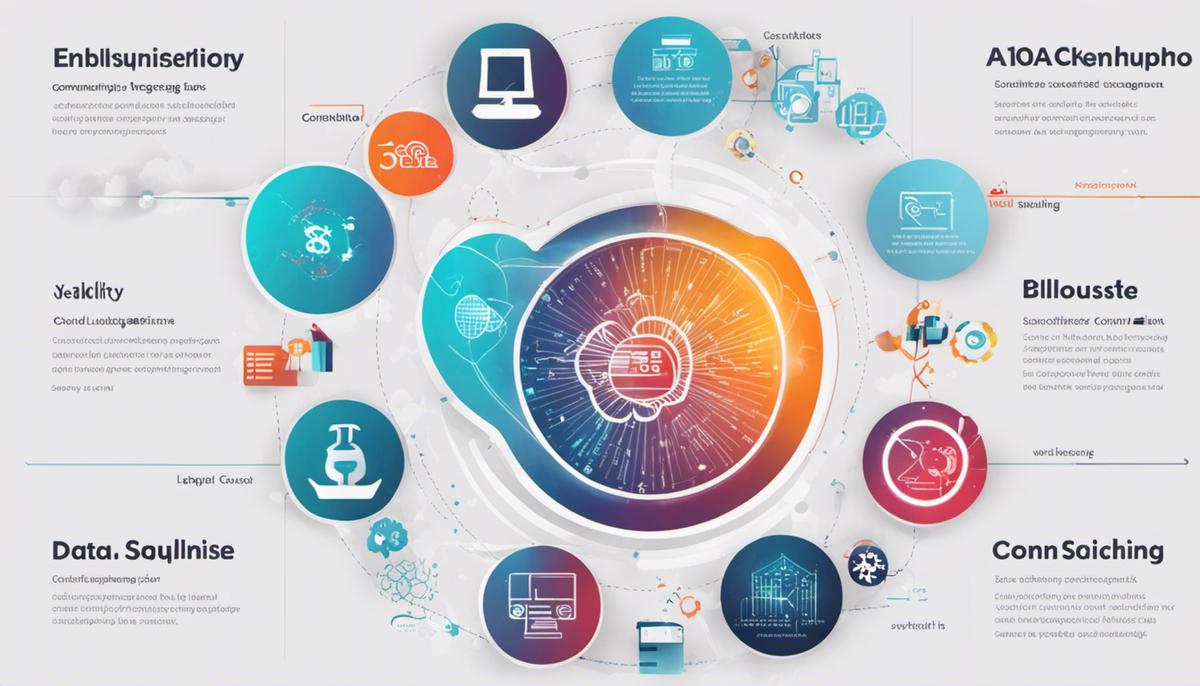
Image illustrating various skills required for a data scientist, including programming languages, data visualization, NLP, cloud computing, and distributed computing frameworks.

Future Prospects for Entry Level Data Scientists

As spanned out in the aforementioned discourse pertaining to the entry level data scientist, the career pathway indeed begins with individuals choosing to voyage into pivotal areas of expertise, which not only provides a solid foundation but keeps the creative zeal aflame. This path is shaped through rigorous learning, innovative problem-solving approaches, proficient communication, and team collaboration.

The career journey, enlightened with ingenuity, is paced progressively as an entry level data scientist expands skill set and gains hands-on experience in the field. Fascinatingly, this journey often begins with an entry level position and has the potential to culminate into a data science leader or chief data officer in the organization. Along this path, the individual gains firsthand experience in navigating through raw data streams, translating complex data findings into understandable terms, refining data-driven strategies, developing predictive algorithms, and achieving measurable results.

Beyond the entry level, the next milestone typically lies in the terrain of a senior data scientist. This position requires individuals to delve deeper into analytical techniques and operate in a more autonomous capacity. A senior data scientist is expected to lead project teams, advise on tools and techniques, deliver predictive models, conceive data-partitioning schemes, and engage creatively in problem-solving using the arsenal of advanced analytics.

Further progression occurs as individuals transition into roles such as lead data scientist or data science manager. These roles carry significant responsibility, including forming and overseeing data science teams, designing data models and data collection systems, conducting complex analyses to identify trends and opportunities, and guiding the strategic direction of projects. At this phase, a strong command of leadership skills is as necessary as technical proficiency, underscoring the significance of both hard and soft skills in the journey of a data scientist.

Eventually, demonstrating technical leadership, strategic thinking, and a proven record of delivering results, an individual may climb the apex to become the chief data officer. These roles carry the pinnacle responsibility of overall data strategy, governance, control, policy development, and effectiveness of data use in the organization. This requires a dexterous blend of expert technical knowledge and a keen understanding of how data drives business operations and impacts strategic objectives.

Undoubtedly, the journey from  entry level data scientists to a leading role is not a direct line and may meander based on industry trends, sector-specific demands, and the changing landscape of data science itself. However, the core ingredients remain consistent: a robust foundation in key technical skills, an insatiable curiosity, a problem-solving mindset, excellent communication skills, and, above all, the audacity to innovate and explore uncharted territories.

The adventure of a data science career is paved with discoveries at every turn, charting a path from entry level data scientists to influential data leaders shaping the strategies of tomorrow. The vast expanse of this journey is rich with opportunities for those ready to step forth and unlock the formidable power of data. Indeed, the metamorphosis of an entry level data scientist to the zenith justifies the quote, “Data is the new oil.”

A group of diverse professionals analyzing data and working collaboratively on a project.

Truly, the future for entry level data scientists holds immense promise, as the field promises continual expansion and diversification. The expertise rarefied through robust foundational experiences can thus pave the way for further advancements in technical knowledge leadership roles or even allow one to carve out a specialized niche within the vast realm of data science. With a clear view of the pathway leading to an entry level position, prospective data scientists can thus align their ambitions in conjunction with the trends dictating the field, empowering themselves to thrive in the dynamic data-driven landscape that lies ahead.


Unlocking Success: ACP-Network Exam Questions-Answers Guide

Introduction to ACP-Network Certification

Welcome to the exciting world of ACP-Network certification. In this digital age, where connectivity and data flow like the lifeblood of industries, the ACP-Network Certification is your ticket to becoming a master of networks. This journey is about more than just taking an exam; it’s your passport to a career filled with opportunities and possibilities. 

In this article, we’ll take you on a friendly tour, starting with an overview of what ACP-Network Certification is all about, diving into why it’s an absolute game-changer in the industry, and finally, giving you a sneak peek into the roadmap we’ve laid out to guide you through this exciting adventure. So, let’s buckle up, explore, and embark on this journey together.

ACP-Network Exam Domains and Topics

Domain 1: Network Fundamentals

Network Fundamentals, the foundation of our journey, is where we’ll grasp the essence of networking. Imagine it as the key to unlocking the mysteries of the digital world: https://www.exact2pass.com/Alibaba-Cloud-vendor.html

We’ll dive into understanding Network Models like OSI and TCP/IP, demystify the magic of Networking Protocols such as TCP, UDP, HTTP, and DNS, get cozy with IP Addressing and Subnetting, and even make friends with Network Devices like Routers, Switches, and Firewalls. 

Domain 2: Network Security

This is where we’ll become the protectors of the digital realm. We’ll learn about the dark side of the web: Threats and Vulnerabilities and how to fend them off. We’ll draft Network Security Policies that’ll make your network iron-clad. 

Get ready to explore the world of Authentication and Authorization, where you’ll be the gatekeeper. And don’t forget the stars of the show “Firewalls and IDS/IPS,” the guardians of your digital fortress.

Domain 3: Network Design and Architecture

Network Design and Architecture, the blueprints of our digital realm. In this domain, we’ll start with Network Topologies, understanding how LANs, WANs, and MANs shape our connected world. We’ll delve into Scalability and High Availability, ensuring your network can grow and never go down. 

Then, it’s off to explore Network Services like DHCP, DNS, and NAT, which keep everything running smoothly. Finally, we’ll venture into the cloud with Virtualization and Cloud Networking, where you’ll learn to build networks in the sky.

Domain 4: Routing and Switching

Routing and Switching the traffic controllers of our network. Get ready to unravel the secrets of Routing Protocols like OSPF, BGP, and EIGRP. We’ll sail through VLANs and Trunking, ensuring the data gets to the right place. 

Network Optimization will be our guide to ensure your network runs like a well-oiled machine. And Quality of Service (QoS)? We’ll make sure your network delivers the VIP treatment to important data.

Domain 5: Network Troubleshooting

Network Troubleshooting, the detective work of our network adventure. We’ll become experts at Identifying Network Issues, using our magnifying glass to spot problems. Our Troubleshooting Tools and Techniques will be our trusty companions, helping us crack the case. 

We won’t just stop at solving issues; we’ll keep an eye on the health of our network with Performance Monitoring and Optimization. And when things go awry, our Incident Response skills will save the day. 

Domain 6: Network Management

Network Management, where we’ll be the masters of organization and control. Configuration Management will be our toolkit for keeping things in order. We’ll set up Network Monitoring and Alerts to ensure our network is always on our radar.

Change Management will teach us how to evolve and adapt without chaos. And finally, we’ll put on our librarian hats and tackle Documentation and Best Practices, ensuring that knowledge is preserved and shared. By the end, you’ll be the Zen master of network harmony.

Study Resources

Let’s talk about the tools you need for your network quest. Our treasure chest of “exact2pass” is full of gems, starting with textbooks and online courses that break down complex topics into bite-sized pieces. 

You’ll also get your hands dirty with ACP-Network test engines, ACP-Network practice tests,and Labs; it’s like a training ground for network superheroes. Don’t be surprised if you experiment with real-world scenarios; that’s where the magic happens. We’re here to guide you to the best resources, so your study journey is engaging and fruitful.

On the website, candidates can find ACP-Network pdf resources containing ACP-Network dumps, ACP-Network exam dumps, and ACP-Network practice dumps. All these ACP-Network study materials are available online for candidates to learn about the exam.

Exam Preparation

Preparing for Exam Day

The big day is approaching; we want you to be as prepared as possible. We’ll ensure you know exactly What to Bring so there are no last-minute surprises. And hey, it’s normal to feel a little jittery, so we’ll share tips on Managing Exam Anxiety, from relaxation techniques to positive thinking. Remember, you’ve got this, and we’re here to boost your confidence.

Taking the Exam

Taking the ACP-Network question-answer exam is where all your hard work pays off. We’ll walk you through the exam format and structure so you know exactly what to expect. You’ll learn about the different questions and how to tackle them like a pro.

Plus, we’ll share Time Management Strategies to ensure you make the most of every minute. It’s like having a map through the exam maze, guiding you to success.

Conclusion

To our aspiring ACP-Network candidates, we want to leave you with one resounding message: You’ve got what it takes. This certification journey may seem daunting, but remember, every expert was once a beginner. Stay curious and persistent, and don’t be afraid to reach out for help when needed. 

Your passion for networks and your dedication to learning will propel you forward. Embrace the challenges, celebrate the victories, and keep your eyes on the horizon because the world of networks is waiting for your unique talents and contributions. We believe in you, and this journey is just the beginning of your amazing network story.

Mastering Network Programmability: Exploring the World of Cisco 300-435 Certification

Introduction to Cisco 300-435 Certification

The Cisco 300-435 certification is a pivotal milestone in modern networking, offering professionals a unique opportunity to delve into the transformative world of network programmability. 

This certification holds immense importance in a rapidly evolving digital landscape where agility, efficiency, and adaptability reign supreme. It equips individuals with the skills and knowledge necessary to harness the power of programmable networks, enabling them to automate and streamline complex network processes. 

Understanding Network Programmability

At its core, network programmability represents a revolutionary approach to networking, where traditional manual configurations give way to software-driven automation and control. It uses programming languages, APIs (Application Programming Interfaces), and automation tools to manage, configure, and orchestrate network infrastructure. 

Examining Cisco 300-435 Exam

The Cisco 300-435 question-answer exam comprehensively assesses a candidate’s proficiency in network programmability and automation. 

Structured to evaluate theoretical knowledge and practical application, the exam is designed to validate a candidate’s ability to leverage network programmability to enhance network operations and efficiency. 

The exam’s structure emphasizes real-world skills, ensuring certified professionals are well-equipped to tackle modern networking challenges.

Breakdown of topics covered in the exam

The exam encompasses a range of topics that collectively encompass the domain of network programmability. These topics are:

API Utilization: Candidates are expected to demonstrate their understanding of Application Programming Interfaces (APIs) and their practical application in managing and interacting with network devices. 

Infrastructure Automation: This section focuses on the concept and benefits of automating network infrastructure. Candidates should be well-versed in automation tools like Ensile and understand how to create scripts and playbooks to automate configuration management, deployment, and other operational tasks.

Network Device Programmability: In this segment, candidates must showcase their knowledge of network device programmability techniques. 

Application Deployment and Security: This topic delves into the role of network programmability in application deployment and security. Candidates should be familiar with using programmable network policies to ensure secure and efficient application deployments and troubleshooting and resolving security issues in programmable networks.

Mastering API Utilization

Introduction to APIs (Application Programming Interfaces)

APIs are essential components that enable communication and interaction between software applications. In this section, you’ll gain an understanding of what APIs are and how they facilitate the exchange of data and commands between different systems.

Exploring RESTful APIs and their Significance

RESTful APIs, in particular, play a pivotal role in network programmability due to their simplicity and scalability. Here, we’ll delve into the architecture of RESTful APIs and explore their significance in modern networking. 

Hands-on examples of using APIs for network management

To solidify your grasp of API utilization, hands-on examples will illustrate the practical applications of APIs in network management. You’ll see how to retrieve device information, make configuration changes, and automate routine tasks using APIs. 

Infrastructure Automation

Understanding the automation of network infrastructure

Automation lies at the heart of modern network management. In this section, you’ll comprehend the broader concept of automating network infrastructure. You’ll explore why automation is crucial for maintaining a dynamic and efficient network and how it contributes to faster response times, reduced errors, and improved scalability.

Configuration management with tools like Ensile

Tools like Ensile have revolutionized network configuration management. Here, you’ll delve into the intricacies of using Ensile to automate network tasks. You’ll learn how to create playbooks to define desired states, push configurations to devices, and ensure consistency across the network. 

Case studies demonstrating successful infrastructure automation.

To reinforce your understanding, real-world case studies will showcase instances where successful infrastructure automation has led to remarkable network efficiency, reliability, and management improvements. 

Network Device Programmability

Device programmability involves treating network devices as programmable entities, enabling centralized control and management. Here, you’ll receive an overview of the concept’s benefits, including enhanced agility, reduced configuration drift, and the ability to adapt to changing requirements rapidly.

Utilizing NETCONF and YANG for network device management

NETCONF and YANG are instrumental in device programmability. This section will guide you through utilizing these protocols to manage network devices. 

Case examples of programmable network devices

Case examples of programmable network devices will provide tangible insights into how organizations have effectively harnessed device programmability. 

Application Deployment and Security

Incorporating programmability for application deployment

Application deployment in programmable networks requires a different approach that integrates network policies with application requirements. Here, you’ll explore how programmability facilitates seamless application deployment, ensuring network configurations align with application needs.

Ensuring security through programmable network policies

Security is paramount in networking. This section will demonstrate how programmable network policies can be leveraged to enhance security measures. You’ll learn how to enforce policies, isolate threats, and respond dynamically to security events through programmability.

Study resources for Cisco 300-435 certification

To effectively prepare for the Cisco 300-435 certification, diverse study resources are available that cater to different learning preferences. Official Cisco documentation and 300-435 study guides should be your foundational resources, providing comprehensive coverage of exam topics. 

Candidates can also find 300-435 test engines, 300-435 practice tests, and many more valid 300-435 study materials at the “valid4sure” website.

Besides these, candidates can join online communities where 300-435 exam dumps and 300-435 practice dumps are available in large amounts.

Conclusion

The Cisco 300-435 certification serves as a transformative gateway into network programmability, offering professionals the opportunity to revolutionize how networks are managed and operated. This certification is not merely a validation of skills; it’s a testament to your readiness to embrace the future of networking.

The networking world is evolving rapidly, and those who master the art of programmability will be at the forefront of this evolution. Embrace the challenges, seek learning opportunities, and continuously refine your skills. 

By attaining the Cisco 300-435 certification, you’ll demonstrate your expertise and position yourself as a key player in shaping the future of networking. So, take the first step, embrace the possibilities, and let your journey into the world of network programmability begin.

Essential Reading in Cybersecurity

0

As technology advances, cybersecurity has become an essential part of our daily lives. This text aims to provide a comprehensive understanding of cybersecurity history, principles, and policies to prepare us against sophisticated cyber threats.

The Evolution and Importance of Cybersecurity

The extraordinary evolution that information technology has experienced during the last four decades is undeniably impressive. However, the developments, while facilitating our lives in countless ways, also introduced a myriad of challenges – primarily, the compromise of privacy, data, and identity. Consequently, cybersecurity emerged as the paramount shield to these digital vulnerabilities. A comprehensive understanding of the history and evolution of cybersecurity is essential not solely for academics and professionals in this field but for anyone interacting with technology today.

In the dawn of the digital age during the late ’70s and early ’80s, the cybersecurity threats were relatively unsophisticated, with the emergence of the first computer virus, Elk Cloner. Although harmless by today’s standards, it marked the inception of a long race between security and threat – a race that is still fervently ongoing. By the ’90s, as the World Wide Web took its first steps and technology started to permeate every aspect of our lives, the threats became more serious. The appearance of cyber viruses, such as the infamous ILOVEYOU bug, which caused around $10 billion in damages, evidenced the growing complexity and urgency of addressing cybersecurity issues.

It was not until the turn of the millennium, spurred by these security threats, that cybersecurity started evolving into a distinctive discipline. Regulatory measures began to take shape, with the USA passing the first significant federal legislation in 2002, the Homeland Security Act. These legislative endeavors provided the much-needed impetus for the development of advanced cybersecurity frameworks, tools, and methodologies.

Over the past decade, the threats have been intensifying with jaw-dropping speed and sophistication, especially with the advent of technologies like cloud computing and the Internet of Things (IoT). The cybersecurity landscape today is populated by terms such as ransomware, phishing, and crypto-jacking – terms that are unfortunately too familiar to most of us. In the battle against these threats, cybersecurity has been rapidly advancing and mastering new frontiers like Artificial Intelligence and Machine Learning.

Grasping the history and evolution of cybersecurity is fundamental for multiple reasons. Firstly, it underlines the fact that cybersecurity threats are not static but evolve in tandem with technology. We can only counter these threats if we continuously learn, adapt, and innovate, which is precisely the ethos of cybersecurity as a field. Secondly, the past can be a rich repository of lessons and strategies that might inform present decisions and future directions. It is essential to remember methods that have been successful in the past and those that have failed.

Moreover, understanding the evolution of cybersecurity highlights how closely it has been intertwined with the development of technology and digital society, which underscores its relevance and significance in today’s world. Cybersecurity is not a peripheral issue but very much central to our digital existence, from protecting our most personal data and national security to influencing global politics and economics.

Finally, comprehending the history of cybersecurity offers valuable insights into emerging trends and potential future challenges. It was the omission of security considerations in the design of early internet protocols that led to many cybersecurity issues today. This key lesson illuminates the importance of incorporating robust security mechanisms in the design stage of any new technology if we aim to mitigate future security threats.

In conclusion, understanding the history and evolution of cybersecurity is fundamental to addressing the challenges we face in the digital age. It offers a rich perspective; teaching us the lessons of the past, making sense of the present, and preparing for the future – furthering or vision for a safer and more secure digital world.

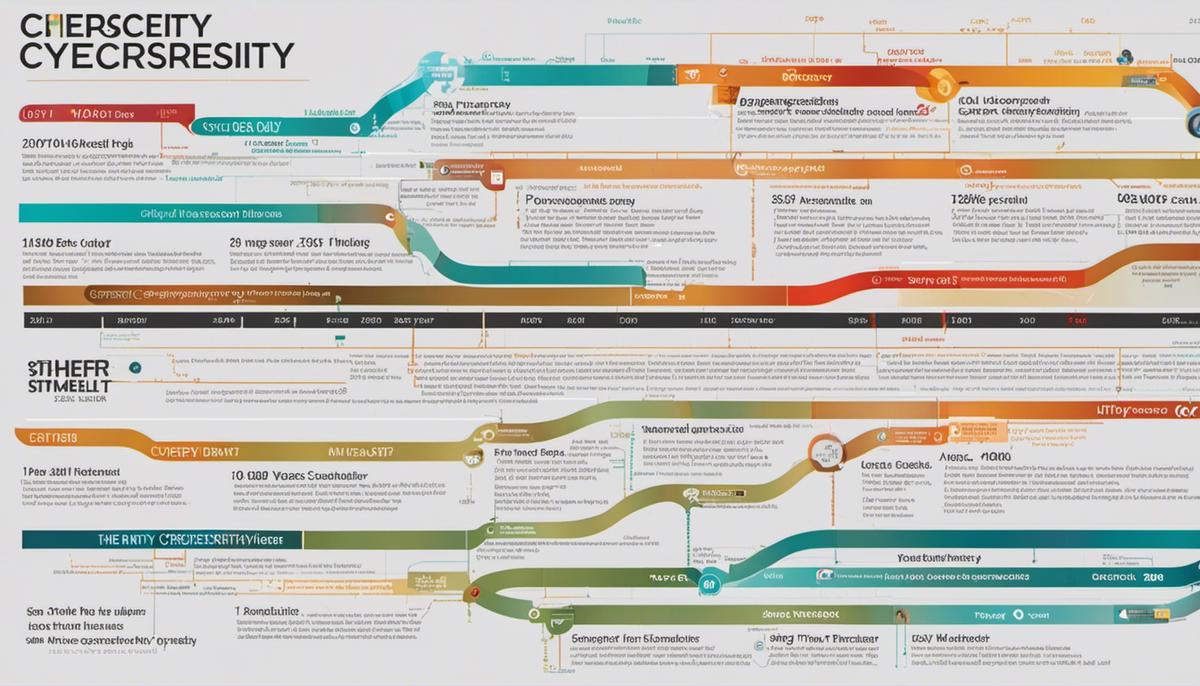
An image of a timeline showing the history of cybersecurity from the '70s to the present day

Fundamental Concepts of Cybersecurity

With the ground covering essential historical and contemporary aspects of cybersecurity, it is vital to delineate the foundational principles and concepts that underpin this dynamic discipline. Grasping these principles will not only guide sound strategic thinking and tactics but also adapt and respond effectively to the ever-changing cyber threat landscape.

At its core, cybersecurity is guided by three fundamental principles known as the CIA triad – Confidentiality, Integrity, and Availability. Confidentiality pertains to preserving restrictions on information access and disclosure, thus ensuring privacy. Integrity involves safeguarding the accuracy and completeness of data by thwarting unauthorized alterations. Availability assures that authorized parties have reliable access to the data sets and computing resources when needed.

Underpinning the workings of cybersecurity is the concept of defense in depth, also known as layered defense. This approach uses a series of defensive mechanisms arrayed at diverse layers such as physical, network, host, application, and data. If one layer is breached, an attacker still has multiple layers to defeat before achieving their objective.

Another fundamental concept in cybersecurity involves the principle of least privilege (POLP). This principle gives a user or program only those privileges necessary to perform its intended function, thereby mitigating the potential damage from errors or malicious activities.

Moreover, critical to cybersecurity is the notion of risk management. Recognizing that it is impossible to ensure absolute security, risk management involves the process of identifying, assessing, and prioritizing the mitigation of risks. This approach enables the strategic allocation of resources to address the most critical risks first.

Understanding human behavior and culture plays an indispensable role in cybersecurity. Social engineering, the psychological manipulations of persuasion and influence over people to divulge confidential information, reminds us that the human element often poses significant security risks. Cybersecurity, therefore, necessitates a deep understanding of human psychology, organizational culture, and global societal trends.

Furthermore, maintaining situational awareness is fundamental to effective cybersecurity. This concept involves understanding and continually monitoring an organization’s digital assets and threat landscape to identify vulnerabilities and protect against potential threats.

Finally, the principle of iterative improvement, rooted in the belief that cybersecurity is not a one-time initiative but an ongoing process, holds significant importance. It necessitates continual learning, monitoring, adaptation, and upgrading of security measures to combat the evolving cybersecurity threats.

In conclusion, understanding these principles and concepts provides a robust foundation for the broader field of cybersecurity. Through the interplay of technical, human, and management elements, cybersecurity emerges less as a collection of separate tactics and more as a holistic, interdisciplinary approach necessary to thrive in a world increasingly shaped by digital technology.

Image depicting various cybersecurity principles and concepts

Understanding Cybersecurity Threats

In the constant struggle to safeguard cyberspace, understanding the types of threats that exist is paramount. These threats can be broadly categorized into three segments, namely, Attacks on Confidentiality, Attacks on Integrity, and Attacks on Availability. Each one represents a potential violation of the CIA triad, which forms the core principles of cybersecurity: Confidentiality, Integrity, and Availability. An attack on confidentiality, for instance, might involve an unauthorized party gaining access to classified information, undermining the principle that data should only be accessible to those with designated privileges.

Moving forward, a crucial shift has occurred in the evolution of cybersecurity threats, prompting a parallel evolution in defense strategies. This shift has mainly emerged from the recognition that a purely technical, “hard-shell” approach focusing on intrusion prevention is insufficient in today’s complex threat landscape. An emerging strategy known as Defense in Depth adds multiple layers of protection to provide a more comprehensive security apparatus.

The Defense in Depth strategy entails deploying several layers of security controls throughout an information system. They could be referred to as the “moats and drawbridges” around the digital castle. Each layer has its unique function and when combined, they form a formidable line of defense against cyber threats. The ultimate goal is to deter, prevent, detect, and correct security breaches at various levels, making it prohibitively difficult for attackers to penetrate the system.

Another fundamental concept is the Principle of Least Privilege (POLP). POLP is a computer security principle in which a user is given the minimum levels of access necessary to complete job functions. By limiting the level of access employees have, companies can drastically reduce the likelihood of an accidental breach.

Incorporating human behavioral aspects into cybersecurity poses a new direction in battling evolving cyber threats. A significant portion of successful threats owes their success to the exploitation of human behavior. Cybersecurity culture seeks to address this by promoting practices and habits that individuals and organizations can adopt to enhance cybersecurity.

Risk management in cybersecurity engages in identifying, evaluating, and implementing measures to reduce risk to an acceptable level. Risk management strategies have evolved from simple countermeasures to more advanced methods where organizations assess their unique risk appetite realistically and set up appropriate measures accordingly.

As threats continue to transform, Situational Awareness becomes more critical in cybersecurity. This concept pertains to the ability to identify, process, and comprehend the critical elements of information about potential or current threats. It is an iterative process that involves continuous threat monitoring, data correlation, and analysis to empower proactive defense mechanisms.

The concept of Iterative Improvement emphasizes a cyclical approach to enhancing cybersecurity. In practice, this means that systems are continually monitored, vulnerabilities identified, and improvements made to bolster defenses. Just as cybersecurity threats evolve, so too must the countermeasures.

In essence, understanding these evolving threats and applying robust strategies such as Defense in Depth, POLP, integrating human behavior, risk management approaches, and ensuring situational awareness contribute to a holistic cybersecurity approach. The challenge is ever-evolving, and cybersecurity measures must reflect this dynamic reality. It paves the way for an iterative process of constant adaptation and improvement where learning is integral to resilience. As threats evolve and transform, the cybersecurity field continues to develop at the cutting edge of technology to counter them, driven by a commitment to safeguarding the digital realm in its entirety.

Image depicting various cyber threats in a visually impaired description

Cybersecurity Policies and Procedures

While forming a robust cybersecurity environment seems a predominantly technical task, it gets intriguing when one resurfaces the realization that the space it seeks to protect is essentially human. It’s no wonder that policies and procedures play an inextricable role in shaping such an environment. Closely tied to the diverse facets of organizational culture, they articulate clear expectations for behavior, decision-making, and communication protocols, reinforcing the boundaries that demarcate acceptable actions.

The incorporation of human behavior and culture tests the applicability of Strapmann’s Law, rooted in economics, which states that complex systems perform better when their individual components have simple rules to follow. In the realm of cybersecurity, it underlines that effective policies are the ones that are understandable, implementable, and directly relevant to the user’s tasks.

Rule-based cybersecurity management, often structured around the Principle of Least Privilege (POLP), does not merely prescribe restrictive dos and don’ts. Successful application of POLP involves continual risk assessments based on employee roles, the technologies they use, and the databases they access. It involves auditing and reviewing permissions regularly and revoking access once assignments are fulfilled. It involves indeed a delicate balancing act of enabling data accessibility while curtailing potential breaches.

Procedures that impart and bolster ‘situational awareness’ are immensely beneficial. Technologies offering real-time tracking, detecting, and alerting against potential threats play a crucial part in fostering this awareness. Yet, beyond technology, situational awareness calls for fostering a culture of alertness and vigilance among the personnel. It’s quintessential to stay a step ahead of potential threats, and such a pre-emptive approach is the cornerstone of effective cybersecurity.

Unleashing the full potential of ‘defense in depth’ – a layered approach to security – also demands precision-cut policies and procedures. This strategy, designed to defend a system against any particular attack using several independent methods, is rooted in military strategy, where it’s termed as “defense in depth”. Policies and procedures should clearly outline the layered defenses and enumerate the roles tied to each.

In a world where cyber threats are becoming increasingly sophisticated, embodying iterative improvements in policies and procedures is non-negotiable. An organization must continuously evaluate, reassess, and innovate its practices, shaping them in congruence with the multifaceted dynamics of cybersecurity threats.

A disciplined and serious approach to cybersecurity policies and procedures does not only erect a technical fortress but also weaves a resilient, vigilant, and responsive human firewall. Conclusively, fostering a secure cyber environment is a journey of continuous improvement, powerful collaborations, and thoughtful insights that transcend beyond the realms of technology’s ingenuity.

A image showing cybersecurity tasks being performed

Emerging Trends and Future of Cybersecurity

As we peer into the future of cybersecurity, two predominantly emerging trends cast long shadows on the horizon – the pivotal role of quantum technology and an escalation of cyber warfare.

Quantum technology is advancing at a rapid pace. Quantifying its implications for cybersecurity is a realm of ongoing research. While quantum computers hold the promise of defeating existing cryptographic security methods due to their superior computational power, they also pave the road to uncrackable quantum encryption. Defending against quantum attacks necessitates the development of post-quantum cryptography. This spells a transformative change for the cybersecurity landscape, as it calls for a complete overhaul and upgrading of existing security systems to quantum-resistant algorithms – a costly but necessary endeavor.

Equally noteworthy is the escalating threat of cyber warfare. Country-sponsored cyber-attacks are on the rise, highlighting a shift in strategies that nations adopt to assert their dominance, disrupt rivals, and protect national interests. Cyber warfare extends beyond simply damaging an adversary’s digital infrastructure. It involves the use of cyber tools to wage psychological warfare and propagate disinformation, a fact that adds a new layer of complexity to the cybersecurity matrix. Hence, there is a pressing need for robust international norms and cooperative strategies to curb this growing menace.

Consider also the rising importance of biometric security mechanisms. More devices are leveraging facial recognition, fingerprints, and other biometric signatures as a security measure. However, storing and processing such sensitive data presents another opportunity for cybercriminals to exploit. Hence, securing biometric data while maintaining its accuracy raises a unique challenge for cybersecurity practitioners.

Lastly, the cyber-physical security of Internet of Things (IoT) devices and systems cannot be overlooked, given our growing dependence on them. The intersection between the physical and digital world results in vulnerabilities that can have significant real-world ramifications. As a result, future cybersecurity protocols must focus on securing assets that straddle the digital-physical divide.

In conclusion, the future landscape of cybersecurity is complex, composed of an interlocking set of challenges surrounding quantum technology, cyber warfare, biometric security, and cyber-physical security of IoT devices. The road ahead warrants consistent investment and research to navigate these challenges, develop effective countermeasures, and secure the digital universe. Most importantly, continuous education, staying abreast of the latest developments, and fostering a culture of security awareness are our best defenses and will shape the future of cybersecurity.

An image depicting the future of cybersecurity trends with dashes instead of spaces

The fascinating journey of cybersecurity, synonymous with evolution in technology, provides significant revelations on the critical role it plays in our digital life. Its vast complexity, which covers various threats to equally diverse defense mechanisms, paints a picture not just of its past but also predicts its future trajectory. The increasingly sophisticated threat landscape demands a well-structured and dynamic approach to security policies and procedures. It enforces the need to continually evolve, be mindful of emerging innovations, and incorporate them to fortify the defenses. The engagements with recent advancements like Machine Learning, AI, and Quantum Cryptography further reinforce our responsibility to innovate and protect in this digitized world. Thus, understanding cybersecurity is not just reviewing a technical facet but learning about a crucial layer of our existence in a progressively digital society.

Deep Dive into Cybersecurity Risk Assessments

In an increasingly digitized world, cybersecurity risk assessments stand as a protection against malicious activity that threatens the integrity, confidentiality, and availability of invaluable data. Understanding the diverse landscape of cybersecurity risks and how they infiltrate various sectors is pivotal in devising effective security solutions. Furthermore, having comprehensive insights into the principles of cybersecurity risk assessments allows IT professionals to model threat scenarios accurately, addressing the probabilities and potential impact of cyber risks. It is this harmonious combination of understanding and application of mitigation measures that allows organizations to respond proactively and efficiently to cybersecurity threats. Moreover, unraveling real-world cases lands rich learning opportunities about industry best practices, critical lessons, and innovative strategies, potentially paving the way for stronger data protection infrastructure in enterprises. Simultaneously, by peering into the future of cybersecurity, professionals can anticipate emerging risks presented by innovative technologies, leading to the creation of dynamic, adaptable cybersecurity strategies. Undoubtedly, navigating the complexities of cybersecurity is an ongoing process that requires continuous learning, analysis, and revisions.

Understanding Cybersecurity Risk Assessments

Web Article: The Landscape of Cybersecurity Risks and Their Impact on Diverse Industries

The increasing digitization of systems and processes across industries has brought forth an intricate maze of cybersecurity threats, posing profound risks to business operations, sensitive data, and overall trust in digital frameworks. This nuanced context necessitates a comprehensive understanding of the manifold types of cybersecurity risks alongside their differential impacts on industries.

Predominantly, cybersecurity risks can be classified into three categories: physical, network, and human. Physical risks emanate from tangible assets such as computer hardware and network equipment, where unauthorized access, destruction, or theft can lead to substantial data loss and occur. Notably, industries heavily reliant on hardware equipment, such as manufacturing or telecommunications, are often vulnerable to physical risks.

Conversely, network risks encompass threats to software, data, and virtual networks. These include malevolent attacks such as ransomware, malware, or Distributed Denial of Service (DDoS) attacks aimed at disrupting services or stealing sensitive data. Tellingly, the rise of cryptocurrency has seen this sector become a prime target, alongside finance and healthcare, industries housing vast troves of highly sensitive data.

Human risks, however, consist of threats due to human error or malicious intent, such as phishing attacks that exploit misinformation or social engineering. These risks can be particularly arduous to navigate as they exploit the weakest link in cybersecurity: human behavior. Predominantly service-oriented sectors such as hospitality or retail, with a large number of employees and clients, often face the sharpest end of this risk category.

Notably, the impact of these risks varies by industry. For instance, a DDoS attack on a digital media provider could lead to enormous revenue loss resulting from service downtime. Conversely, a successful phishing attack on a healthcare system could result in a massive breach of patient data, compromising privacy and violating strict medical data regulations.

Moreover, cybersecurity risks can imperil a company’s brand image and client trust, which is critically important for sectors like finance and e-commerce, where consumer confidence is a key success determinant.

Recognizing the significance of these risks, there has been a surging demand for robust cybersecurity measures and protocols across industries. Hence, the adoption of practices such as multi-factor authentication, encryption, and intrusion detection systems has gained heightened relevance.

While these countermeasures are intrinsically valuable, it’s paramount to foster a culture of security consciousness, as cybersecurity is a collective responsibility, not merely an IT issue. This will, indeed, form a crucial cornerstone of navigating the ever-evolving maze of cybersecurity threats in the digital age.

Cybersecurity Risk Assessments

Principles of Cybersecurity Risk Assessment

Now, we embark on the exploration of the key principles and methodologies integral to conducting an effective cybersecurity risk assessment.

The task is not for the faint-hearted and requires an understanding likely steeped in decades of intensive study and practical experience. However, just as we take gradual steps in research, it is appropriate to break down the complex concept into manageable segments.

The first principle that assumes significance in carrying out risk assessments in cybersecurity is the sound understanding of the organizational context and asset value.

Every organization has unique attributes and operational architectures that directly impact the value and vulnerability of its assets – identifiable properties that might be of interest to potential adversaries.

Pinpointing high-value assets and understanding the myriad ways they interact with the surrounding networks and systems can deliver insightful perspectives on potential risk points.

The second principle is continual cybersecurity risk assessments as opposed to one-off exercises. Cybersecurity risks are dynamic in nature due to technological advances and evolving threat landscapes.

Thus, it becomes needless to say that risk assessment should be an ongoing process, enabling organizations to keep pace with changes and promptly address identified vulnerabilities.

Next in line is the practice of integrating risk assessment with the overall cybersecurity strategy.

It isn’t enough to identify risks without clear paths to mitigation and response.

This requires alignment of cybersecurity risk assessments with an organization’s overall cybersecurity strategy, ensuring that identified risks are adequately addressed through defining appropriate countermeasures.

The fourth principle revolves around the active involvement of stakeholders.

A thriving security culture can only be established when the stakeholders, ranging from executives to frontline workers, are actively involved in the risk management process.

Their shared understanding and commitment to security serve as a bulwark against underlying threats.

Let’s turn our attention to the key methodologies for cybersecurity risk assessments.

One of the widely recognized methodologies is ‘The National Institute of Standards and Technology’s Cybersecurity Framework’ (NIST CSF).

This standard communicates iterative processes for identifying, protecting, detecting, responding, and recovering from cybersecurity threats, aiding in the holistic management of cybersecurity risks.

Equally prominent is the ‘International Organization for Standardization (ISO) 27005’ standard, which provides guidelines for effective risk management, extending from risk identification to risk treatment.

Furthermore, there is the ‘Operationally Critical Threat, Asset, and Vulnerability Evaluation’ (OCTAVE), a methodology developed by the Software Engineering Institute at Carnegie Mellon University.

OCTAVE empowers organizations with a comprehensive evaluation of their information security needs based on organizational, technological, and people aspects of their operational context.

To conclude, conducting cybersecurity risk assessments is both an art and a science – requiring a balance of analytical skills for risk identification, technical acumen for evaluating potential vulnerabilities, and the foresight to map out suitable mitigation strategies.

Diving deeper into its complexities only reiterates the breadth and depth of understanding needed to navigate this field, impressing upon us the significance of continual scholarly exploration and practical diligence.

A computer screen showing a lock and a hacker symbol, representing cybersecurity risk assessment
Cybersecurity Risk Assessments

Risk Mitigation and Management

In broadening our understanding of cybersecurity risks and their management, it is crucial to analyze these measures in the context of organizational relevance and assess assets in terms of their cybersecurity value.

Detailed evaluation of risks as compared to the perceived or estimated value of an asset allows for a calculation of risk that is both quantifiable and actionable.

The implementation of this context is non-negotiable for an effective cybersecurity program.

Recognizing cybersecurity as not merely an IT concern but an organizational one and risk assessment as a continuous process rather than an isolated event is key.

This continual vigilance allows for adaptive strategies to deal with the evolution of cyber threats.

Such a dynamic approach, encompassing both current and future security threats, ensures the resilience of cybersecurity measures.

The integration of cybersecurity risk assessments with the overall cybersecurity strategy is paramount.

This authorization necessitates a collaboration among different organizational units and stakeholders.

Fully optimized risk management is realized only when it is woven into the fabric of an organization’s overall strategy and culture – and its efficacy is immeasurably improved by the active involvement of all stakeholders.

To effectively manage and mitigate these risks, several frameworks can come into play.

The National Institute of Standards and Technology’s Cybersecurity Framework (NIST CSF) provides a set of voluntary standards, guidelines, and best practices that can aid companies in managing cybersecurity risks.

A module of global applicability is the International Organization for Standardization 27005 (ISO 27005), a standard for information security that formulates risk management processes based on an organization’s requirements, from the establishment of context to the monitoring and reviewing of risk.

The OCTAVE (Operationally Critical Threat, Asset, and Vulnerability Evaluation) method is another significant instrument.

OCTAVE gives a broader view of organizational risk by addressing operational risk and organizational behavior, thus making it pertinent to the human risk factor in cybersecurity.

The need for systematic cybersecurity risk assessments and mitigation awareness among corporate decision-makers is paramount.

Beyond technical acumen, the ability to identify potential risks requires a keen analytical prowess.

Conversely, the evaluation of these vulnerabilities demands a deep level of technical understanding.

But fundamental to all of this is the foresight to devise appropriate mitigation strategies.

This triad of abilities – analysis, technical understanding, and strategic foresight – enhances the effectual handling of cybersecurity risks.

The cyber landscape is fraught with ever-evolving challenges.

The escalating digital interconnectivity heightens the complexity of assessing vulnerabilities and formulating cybersecurity strategies.

Nonetheless, armed with robust and adaptive strategies, organizations can ably navigate this ever-mutating landscape curbing cybersecurity risk while maintaining operational resilience.

Image of business professionals discussing cybersecurity risk management strategies

Case Studies and Industry Best Practices

Upon distilling the gamut of industry practices into discrete elements, there are certain paradigms that merit attention for their effective methodologies to cybersecurity risk assessment. Foremost of which pertain to the evolving dynamics between the aforementioned risk attributes and the advancing norms of the cyber sphere. This undeniable nexus posits unique challenges to incorporate advanced threat intelligence, proactive monitoring, and incident response mechanisms into robust cybersecurity strategies.

Emblematic of this approach is how global financial institutions are pioneering new methodologies for risk narration, a transition from mere risk quantification to the elaborate depiction of potential scenarios and matching risk appetites. This practice augments the subjective interpretation of risk and provides a more nuanced understanding of potential vulnerabilities and threat vectors.

Case in point: the banking titan, JP Morgan Chase, invests around $600 million annually in cybersecurity, signifying the strategic prioritization of digital asset protection. The institution acknowledges the dynamic nature of cyber threats and maintains an agile risk management framework. Through regular “Red Team” exercises, vulnerabilities are assessed in simulated attack scenarios and necessary response protocols are perfected.

A related trend is the merger of cybersecurity and business continuity planning. Cisco provides a resonant example with its threat-centric security model that focuses on operational resilience. Its ‘SecureX’ technology platform centralizes visibility, automates workflows, and laser-focused on threats that matter, enabling a more uniform, integrated, and efficient risk management operation.

Furthermore, Cyber Threat Intelligence (CTI) is being integrated into risk management – the SANS Institute’s 2020 Cyber Threat Intelligence survey indicates that 82% of organizations find CTI highly useful in their security operations. Lockheed Martin, a global security enterprise, uses its Cyber Kill Chain framework to detect, contain, and mitigate attacks in the reconnaissance stage before they spread into integral systems.

Apart from enterprises, governments globally are investing in effective risk management of their digital spaces. Take the example of Denmark, standing tall as a testament to effective cyber risk management. The Center for Cybersecurity under the Danish Defence Intelligence Service executes regular threat assessments, propagation of cybersecurity knowledge, and other preemptive measures to strengthen the nation’s digital resilience.

Lastly, even smaller organizations are making substantial strides in this direction. Mimecast, a cloud-based email management solution for Microsoft Exchange and Microsoft Office 365, uses a three-pronged approach – stop threats, protect data, and ensure continuity to mitigate cybersecurity risks.

In conclusion, it is evident that cybersecurity risk management is not merely a technical obligation but indeed imperative to business continuity, brand loyalty, and the very underpinning of modern digital society. As threat landscapes continue to evolve in sophistication and scale, so must the industry best practices and frameworks guiding effective cyber risk assessment. Cybersecurity is certainly much more than a defensive strategy, it is the basis upon which we build a secure digital tomorrow.

Image showing a network with locks, representing the importance of cybersecurity risk management for businesses and society at large.

The Future of Cybersecurity and Risk Assessment

The expanding technological landscape has broad implications for cybersecurity risk assessment, prompting a need for continuous adaptation. Neuromorphic computing, quantum computing, and Artificial Intelligence (AI) – emerging technological advancements that possess vast potential – also carry with them unique cybersecurity concerns. As they forge new frontiers, their cybersecurity vulnerabilities present an evolving game of cat and mouse between organizations and potential cyber-attackers.

In the age of AI, threat actors are not solely human but can be machine-driven. Sophisticated AI-powered cyber threats can bypass traditional defense mechanisms, mandating a push towards AI-driven cybersecurity solutions. Future cybersecurity risk assessments must fully consider this rising “AI vs AI” battle. As AI systems become more autonomous and self-learning, risk assessments should evaluate the trustworthiness and predictability of AI systems internally employed, as well as the potential for AI-induced external threats.

Quantum computing, while still in its infancy, portends threatening implications for cybersecurity. Quantum computers, capable of decryption tasks exponentially faster than classical machines, are set to disrupt existing encryption standards. Future risk assessments must factor in this impending paradigm shift, considering quantum-safe cryptographic algorithms and other innovative countermeasures.

The advent of the Internet of Things (IoT) has brought our reality closer to the once-fantastical realm of science fiction. However, this omnipresent connectivity has exponentially increased entry points for cyber-attacks. Future cybersecurity risk assessments need to accommodate the sheer surge in cyber-attack surfaces.

The prospects of neuromorphic computing amplify cyber risk profiles. These computer systems, modeled after human brains, could provide threat actors with potential manipulation points. Risk assessments must comprehend the implications of neuromorphic computing, ensuring security measures can adapt to the anticipated threats.

As disruptive technologies rise, so do unconventional threat vectors. Some nascent technologies, like deepfakes, present novel cybersecurity concerns that blur the line between virtual and physical security risks. Future risk assessments need to tackle these emergent and evolving threats, forecasting implications on all fronts.

Cybersecurity risk assessments will extend firmly into the realm of supply chain risk management as supply chains progressively digitize and globalize. The SolarWinds attack testifies to this, accentuating the need for comprehensive and robust third-party cybersecurity evaluations.

Governments worldwide are striving towards building smarter cities aimed at convenience-enhanced everyday life. Nevertheless, these digitally interconnected urban landscapes present attractive targets for malicious cyber actors, as the broad attack surface offers multiple points of ingress. Therefore, the cybersecurity risk assessments of the future must factor in the unique risk frameworks of smart cities.

Cybersecurity risk management underpins business resilience, brand reputation, and even societal stability. As the quintessential response to a digitized future, the persistent evolution of cybersecurity risk assessments is vital. As technological advancements redefine risks, so must organizations refine their approach to understanding, evaluating, and mitigating them. We are looking towards a future where cybersecurity risk assessments bridge technical acuity, human behavior science, and anticipatory strategic insights, morphing to meet an ever-changing landscape.

An image depicting the vast technological landscape with diverse digital icons representing emerging technologies.

With the ever-dynamic nature of cyber threats evolving in step with the world’s relentless technological advancements, the importance of continuous learning and adjustment in cybersecurity strategies and practices cannot be overstressed. Cybersecurity professionals must stay informed and updated on emerging vulnerabilities, innovative solutions, and groundbreaking technologies like AI and quantum computing. Along with the technical aspect, the influential role of policy-making and human factors in creating, sustaining, and augmenting secure digital environments is key. By learning from past experiences and anticipating future risks, organizations can build a comprehensive and resilient cybersecurity risk assessment infrastructure. Navigating the nuances of this field, while demanding, is a rewarding endeavor as it ensures the continuity of operations, maintains consumer trust, and bolsters our shared digital defense against potential threats. The future of cybersecurity lies in a balanced, dynamic, and strategic approach to risk assessment, leveraging human and technological aspects alike.

8 Effective Cybersecurity Tips to Protect Yourself

These 8 cybersecurity tips will protect you in the constantly evolving digital world; cyber threats lurk around every corner, rendering even the most sophisticated systems vulnerable. Grasping the complexity of malware, deploying safe browsing habits, bolstering passwords, and utilizing two-factor authentication are critical steps in mitigating these risks. Our journey into this perpetually changing landscape begins with a comprehensive understanding of malware and its many forms – viruses, worms, trojans, and ransomware. With the knowledge of how they operate and the havoc they can wreak, one can adopt proactive measures to safeguard their systems. Further, by developing safe browsing habits and understanding the pros and cons of public networks, one can significantly reduce their digital footprint. Supplementing these practices with robust, unique passwords and two-factor authentication techniques further intensifies the security of your digital frontiers.

Cybersecurity Tips: Understanding Malware

Understanding Malware: The Silent Predator Lurking in Our Systems

Malware – the very term sends a shudder down the spine of every tech enthusiast. This malicious software, or “malware” for short, is the digital boogeyman of our times, designed to infiltrate and damage or disrupt our beloved systems. How can it harm your system, you ask? Prepare to venture into the dark underbelly of technology.

One of the first points of distinction is that malware is a generic term. It’s an umbrella for several types of malicious software that include viruses, ransomware, worms, trojans, adware, and spyware. Each of these poses a unique threat to your system’s overall health and your digital livelihood.

Viruses attach themselves to clean files and infect other clean files. They can spread uncontrollably, damaging a system’s core functionality and deleting or corrupting files. They’re notoriously hard to detect and remove, making them a tech enthusiast’s worst nightmare.

Ransomware is a type of malware from the crypto virology field that threatens to publish the victim’s personal data or perpetually block access to it unless a ransom is paid. In recent years, ransomware has become a significant menace to corporate systems, holding essential data hostage and crippling operations.

Worms infect entire networks of devices, either locally or across the Internet, by using network interfaces. They use each successive infected device to infect others. Notably, worms operate independently of other files and thus can quickly propagate across systems.

Trojans masquerade as legitimate software or are included in legitimate software that has been tampered with. They act discreetly and create backdoors in your security to allow other malware in.

With spyware, hackers can monitor your every move virtually. This means they can track everything you type, including passwords, credit cards, and other personal information.

Adware, on the other hand, floods your system with unsolicited ads. Though it’s less destructive, adware often paves the way for other malicious software by weakening the security infrastructure, making it a potential gateway for more severe attacks.

Now, onto the impact. Understanding the damaging prowess of malware is imperative in strategizing its eradication. Data loss is one of the most immediate effects of malware attacks. This could mean losing precious files or having your sensitive data like personal photos, credit card information, or health records falling in the wrong hands.

Malware can drastically slow down your system or cause frequent crashes. This is not only annoying but also significantly hinders productivity. And if you’ve been infected by ransomware, you might not be able to access your system at all until a ransom has been paid.

Worst of all, malware can exploit your system to attack others, roping you in as an unwitting accomplice in a broader assault.

To maintain a fighting chance against malware, it’s crucial to constantly keep your operating system and applications updated, use a reliable firewall, and run a robust multi-layered security software program. Remember, in this digital age, your first line of defense against the dark side of technology starts with you. Stay vigilant, stay updated, and stay secure.

Image depicting various types of malware and their potential impact on computer systems and users
cybersecurity tips

Safe Browsing Habits

Staying Safe Online: Securing Browsing Practices and Protecting Personal Information

Groundwork has been laid by thoroughly discussing the dangers posed by various malware types. Now, the focus turns from understanding the threats to practical solutions that strengthen online safety. Adopting secure browsing habits is more than a smart decision – it’s essential in today’s digital environment steeped in technology.

1. Secure Browser Selection

The battle against cyber threats begins with choosing a secure browser. While popular options like Google Chrome or Mozilla Firefox reign supreme, alternatives such as Tor and Brave prioritize user privacy. Regardless of choice, the crux lies in configuring settings for maximum security, disabling third-party cookies, blocking pop-ups, and disabling scripts running on unknown websites.

2. VPN – The Cybersecurity Superhero

Virtual Private Networks (VPN), often hailed as a tech enthusiast’s best friend, offer an additional safety net. A robust VPN can encrypt your internet traffic, making it incomprehensible for any third party trying to infiltrate your system. This feature is especially valuable when connected to public Wi-Fi, a hotbed for potential attacks.

3. Anti-Tracking Tools

While some websites track users for legitimate purposes like enhancing user experience, cybercriminals can misuse this data. Anti-tracking tools prevent such exploitation, not allowing your digital footprints to be traced back to you. Extensions like Privacy Badger or Disconnect can be incorporated into browsers for added security.

4. Browser Hygiene: Regular Clean-ups

Regularly cleaning the browser, including clearing cache, cookies, and browsing history, is an often overlooked yet crucial aspect of safe browsing. This removes any crumbs of information that could potentially be used to track your activities or recreate your profile.

5. Secure Sockets Layer (SSL) Encrypted Websites

When browsing, prioritize websites that use SSL encryption, recognized by the prefix ‘https‘. These sites encrypt all communication between your browser and the website, protecting sensitive information like credit card details or passwords from prying eyes.

6. Awareness and Vigilance

While tools and software are vital to secure browsing, perhaps the most potent weapon in your arsenal is fervid vigilance. Be wary of suspicious links or unsolicited downloads. Avoid rashly granting permissions to websites without evaluating potential risks.

By adopting these steps, you can create a safer browsing environment, anchoring your digital world firmly against cyber storms. With these practices in play, navigating the thrilling sea of technology becomes a titillating joy without worrying about lurking dangers. Remember, staying secure online is not a one-time event but a continuous process where being proactive pays off.

Cybersecurity Tips
cybersecurity tips

Passwords and Two-Factor Authentication

Stepping beyond the primary protection measures previously discussed, there’s an additional layer of defense that you can deploy to protect your system against the tyranny of uninvited malware and hackers: strong passwords and two-factor authentication.

Deployment of strong passwords is a fundamental practice yet frequently underrated. It’s the first line of defense protecting user accounts. A strong password is comprised of a unique and complicated set of characters – an amalgamation of uppercase and lowercase letters, numerical, and special symbols. Such complexity impedes attempts to crack the password via brute force attacks, dictionary attacks, or sheer guesswork. Moreover, adopting distinctive passwords for different services minimizes risk exposure, preventing what is often termed a ‘domino effect’ where one breached password opens floodgates to multiple accounts.

So, how do we handle the problem of remembering multiple complex passwords? Opt for Password Managers. These secure tools store all your passwords in an encrypted format and allow access with one Master password. Now that’s smart tech!

Shifting our focus to Two Factor Authentication (2FA), we delve into another formidable defensive strategy against cyber intruders. By adding an additional layer of security during the authentication process, 2FA significantly diminishes the likelihood of hackers gaining access to Personal Identifiable Information (PII).

Typically, a password (something you know) is your sole authentication barrier. However, 2FA mandates additional evidence, manifesting as something you have (your phone, OTP), or something you are (biometric features like fingerprints). This dual validation significantly strengthens your security structure against cyberattacks.

To enable 2FA in personal or business accounts, navigate to the security settings of the respective service and follow the detailed instructions. With most services, it’s a one-off setup, with temporary passcodes generated either via an authentication app or sent directly to your confirmed mobile number.

Revolutionizing the world of passwords, Biometric authentication (such as Touch ID or Face ID) has also proliferated as part of 2FA. These technologies rely on unique attributes that are difficult to duplicate, thus ramping up your system’s security.

In this digital arena, where data breaches are becoming increasingly brazen, a keen understanding of the power of strong passwords and two-factor authentication has never been more vital. These security fortifications serve not just as barriers but as deterrents to potential hackers and shield your system with a virtually impregnable fortress. Remember, your security in the online world is only as strong as its weakest link—spare no effort in taking these steps to secure your virtual existence.

A lock representing password security

By bolstering our knowledge of malware and adopting safe browsing habits, we arm ourselves with the vital tools required to combat cyber threats. This transcends into a digital discipline that encourages the use of robust, unique passwords and two-factor authentication, thereby shielding our systems from unauthorized access. Secure practices like these not only isolate our digital presence but also curb the potential damage from cyber threats. It’s evident that the road to a safer digital experience is paved with a deeper understanding and conscientious application of the principles of cybersecurity. Our collective and continued efforts in practicing these principles are what will further the cause of a safer cyber world.