Friday, April 17, 2026
Home Blog Page 258
AI cybersecurity guidance for small businesses

Know where your business is exposed, what matters most, and what to fix first.

CyberExperts gives small businesses AI-generated cyber checkups, practical recommendations, and recurring cyber hygiene monitoring โ€” without enterprise consulting complexity.

AI Cyber CheckupIdentify likely weak points and get a prioritized action plan.
Recurring MonitoringStay current with updated cyber hygiene guidance over time.
Built for SMBsPractical recommendations for real-world small business setups.

Most small businesses know cybersecurity matters. Very few know what to fix first.

CyberExperts turns cybersecurity confusion into a practical action plan. Instead of vague fear, generic checklists, or expensive consulting, you get AI-generated guidance focused on likely risks, weak spots, and the most important next steps.

How it works

1. Tell us about your businessShare your team size, tools, email setup, device practices, and current security habits.
2. CyberExperts analyzes your setupOur AI reviews likely weak points, common risks, and practical cyber hygiene gaps.
3. Get a prioritized action planReceive clear next steps in plain English โ€” focused on what matters most.
4. Stay current with ongoing monitoringAdd recurring cyber hygiene monitoring if you want updated guidance over time.

Start with a checkup. Continue with monitoring.

AI Small Business Cyber Checkup

A one-time AI-generated assessment that identifies likely weaknesses, highlights the biggest issues, and gives you a practical action plan.

  • Likely weak points and avoidable risks
  • Top-priority recommendations
  • Plain-English next steps

AI Cyber Hygiene Monitor

A recurring cyber hygiene subscription that updates your recommendations, flags likely weak spots, and helps you stay current over time.

  • Recurring reassessment
  • Updated recommendations
  • Refreshed priorities over time

What CyberExperts does โ€” and does not do

Done by AICyberExperts is built as an AI-delivered cybersecurity guidance product.
For small businessesDesigned for operators who want practical guidance without enterprise complexity.
Not a magic guaranteeIt helps identify likely risks and prioritize what to fix first.
Recurring option availableContinue with ongoing Cyber Hygiene Monitor updates over time.

See your biggest cybersecurity gaps in plain English.

Start with an AI Cyber Checkup and get a practical view of what to fix first.

Harnessing AI for Robust Cybersecurity

In today’s interconnected digital world, cybersecurity is emerging as a top priority for organizations across the globe. Among the various tools and techniques being harnessed to enhance cybersecurity, Artificial Intelligence (AI) stands out both for the promise it holds and the new challenges it brings. Delving into the interplay of AI and cybersecurity, we navigate from the basic underpinnings of AI to its potential applications in securing our digital landscapes, highlighting its benefits, risks, real-world use cases, and the projected future. In the pursuit of truly comprehensive security, we further delve into a step-by-step guide for implementing AI in cybersecurity strategies.

Understanding AI in Cybersecurity

The Revolution of AI in Modern Cybersecurity: Here’s What You Need to Know

There’s no denying that technology has dramatically transformed the world, with every industry witnessing a seismic shift in its operations. The cybersecurity realm is no exception. Artificial Intelligence (AI), often considered a buzzword, is now playing a pivotal role in modern cybersecurity. Here’s how.

Why the sudden interest in AI? The answer is simple yet profound: AI has proven itself to be an effective tool in identifying potential cyber threats and providing state-of-art security solutions. Unlike traditional systems that rely on static, rule-based methods to ward-off potential attacks, AI adds a layer of intelligence, becoming a game-changer.

AI now assists cybersecurity frameworks by automating threat detection. Traditional cybersecurity practices often involve manual labor; strenuously identifying, categorizing, and fighting off the potential threats. Needless to say, this is time-consuming and leaves room for human error; not ideal considering the sophistication and frequency of contemporary cyber-attacks.

AI technologies, on the other hand, leverage machine learning systems to ‘learn’ from previous incidents of cybersecurity breaches. Via continuous learning and adaptation, AI swiftly identifies potential threats, even the subtle ones, significantly minimizing the scope of human error.

AI-propelled predictive analytics takes cybersecurity a notch higher. By analyzing past trends and data, AI not merely detects, but predicts, potential cybersecurity threats. This predictive approach saves time and resources by proactively preventing cyber-breaches before they occur.

Moreover, AI algorithms scour the web, constantly monitoring for potential threats. AI-powered cybersecurity tools go beyond firewall protection, detecting the hidden and sophisticated hacking attempts that get past traditional protection methods. By identifying unusual network behavior and providing real-time alerts, AI is revolutionizing the way cybersecurity is approached.

AI also tackles the challenge of handling massive data volumes, a task that’s intractable for humans alone. AI’s ability to manage and analyze colossal datasets effectively contributes to a more robust cyber defense.

While AI presents immense potential, it isn’t the standalone fix for cybersecurity threats. It’s another tool in the armory, meant to enhance, not replace, other security measures. As cyber threats continue to evolve, the integration of AI will become increasingly necessary. Physical firewalls and antivirus software will always remain essential, but the advent of AI in cybersecurity is proving to be an unforeseen leap toward a safer digital future.

So, brace for an era where AI and cybersecurity go hand in hand. The promise of a more secure internet, powered by intelligent AI technologies, is tantalizing. However, like the mastering of any tool, it requires patience, expertise, and a passion for technology to fully leverage its potential. Tech enthusiasts, gear up; exciting times in the realm of cybersecurity are upon us.

An illustration depicting the revolution of AI in modern cybersecurity

Benefits and Risks of AI in Cybersecurity

Enhancing Efficiency and Precision: Additional Merits of AI in Cybersecurity

Emerging as an invaluable collaborator in the cybersecurity realm, Artificial Intelligence (AI) continues to transform the way we address threats and maintain the safety of online systems. Beyond automating threat detection, AI-driven cybersecurity tools often shine in enhancing efficiency and precision.

AI’s labor-saving advantage cannot be overstated. Able to operate 24/7 without fatigue, it drastically reduces the human workload, allowing cybersecurity teams to focus on critical tasks that require human ingenuity. The tiresome repetitive tasks of monitoring and scrubbing through logs for anomaly detection, for instance, are effortlessly handled by AI.

Moreover, AI’s superhuman speed offers unparalleled efficacy in responding to breaches. Given that time is often of the essence when handling attacks, this ability to reduce response times can be the difference between an unsuccessful hacking attempt and a disastrous data breach.

Complementing this pace is AI’s exceptional accuracy. By continuously learning from the ever-growing body of data, AI tools can hone their skills to pinpoint real threats with fewer false positives, a perennial challenge for traditional cybersecurity methods.

But, as with nearly every technology, AI is not without its risks. For one, as AI systems become smarter, so too does the potential for misuse. We see an increasing trend of cybercriminals deploying AI-enhanced malware and employing complex AI algorithms to disguise their hacking attempts or to launch more potent attacks.

Moreover, the dependency on AI could lead to an over-reliance, culminating in laxity among security teams. The notion that AI is invincible could be dangerous, as it might foster a false sense of security, lowering guards and making systems more vulnerable to novel threats which might not be programmed yet into the AI system.

Furthermore, AI systems require massive, high-quality datasets for effective learning and operation. However, the acquisition, storage, and processing of such data can pose potential risks related to the violation of privacy norms and data breaches.

Lastly, we raise our heads to the ethical issues related to AI use in cybersecurity. Who bears the responsibility when an AI system, due to a false positive, wrongfully accuses someone of a cybercrime? Where does the balance lie between increased security and potential infringement of privacy?

As we continue to exploit the infinite potential of AI in cybersecurity, awareness and proactiveness toward these risks are critical to achieving its benefit without experiencing its potential backlash. The marriage of AI and cybersecurity, for all its promise and potential pitfalls, highlights the complexities and nuances of technological development and adoption. It calls for comprehensive strategies, a thorough understanding of the technology, prudent governance, and ongoing vigilance to ensure a truly safer digital future.
Image of AI in a cybersecurity context, showcasing the benefits and risks.

Notable Use-Cases of AI in Cybersecurity

While the potential of AI in cybersecurity is profound, several landmark instances have already exhibited its transformative capabilities.

Cognizant, a leading provider of IT services, confronted a Maze ransomware threat head-on utilizing AI-powered defense measures. In this incident, rather than succumbing to the hackers’ demands, Cognizant swiftly responded by isolating affected systems and deploying AI capabilities to mitigate the damage, establish the threat’s origin, and reinforce its security infrastructure to prevent similar instances.

In another instance, Mastercard’s Decision Intelligence counted on AI to enhance cybersecurity. This tool harnesses AI to analyze transaction data, making more accurate determinations of fraudulent behavior. By using AI, Mastercard not only improves transaction approval rates but also tampers with nefarious activities, fortifying consumer trust in digital transactions.

In a more extensive scope, Darktrace’s AI-driven cybersecurity solution has cemented its ground across varying industries. With its innovative approach that mimics the human immune system, Darktrace’s machine learning algorithms identify abnormal behavior within the network and neutralize potential threats. Such AI-powered solutions have enabled organizations from diverse industries like banking, healthcare, and energy to safeguard their networks from complex cyber-attacks.

Moreover, Microsoft’s Azure Sentinel is a vivid example of sound AI incorporation. This scalable, cloud-native, security information event management (SIEM) tool utilizes AI to identify, prevent, and respond to threats promptly and accurately. With Azure Sentinel, Microsoft has made significant strides in eradicating false positives, thereby simplifying and expediting the threat hunting process.

Meanwhile, AI is not just shielding large corporates; it is also aiding governments. The United States Defense Advanced Research Projects Agency (DARPA), for instance, has used AI cyber defense systems in its Cyber Grand Challenge. This event demonstrated how AI could perform network defense tasks, showcasing the possibilities of large-scale, automated cybersecurity systems.

Furthermore, OpenAI’s GPT-3, an AI text generator, has opened new doors in countering phishing attempts. By training the model to identify potential phishing emails, efforts are underway to deploy it as a real-time counter-phishing tool, a further testament to AI’s capacity to revolutionize cybersecurity.

In conclusion, these instances demonstrate more than AI’s prowess in cybersecurity. They underline an undeniable urgency in embracing AI to safeguard our burgeoning digital worlds. With cyber threats escalating, relying solely on traditional security measures is untenable. AI’s integration in cybersecurity infrastructure offers a robust, future-forward defense, promising a dynamic response to the ever-evolving threat landscape.

A visual representation of AI in cybersecurity, showcasing a shield with binary code and locks, symbolizing protection against cyber threats.

The Future of AI and Cybersecurity

AI has already begun to revolutionize cybersecurity, but its future capabilities seem boundless. New applications of AI are being researched and developed, with implications that could further enhance cybersecurity measures worldwide. Here are some trends and predictions that tech enthusiasts are keeping their eyes on in the years to come.

  1. Enhanced Machine Learning Models: AI learning algorithms will continue to evolve, becoming more sophisticated and powerful in their ability to preempt and counter cyber threats. Expect to see AI learning models that can self-improve, constantly refining their capabilities based on real-world experiences and threats.

  2. Quantum Computing and AI: Quantum computing represents a seismic shift in computing power, dwarfing the capabilities of today’s machines. When coupled with AI, quantum computing could lead to unhackable security systems, where encrypted data could be made virtually impenetrable.

  3. AI and IoT Protection: The Internet of Things (IoT), though convenient, expands potential attack surfaces for cybercriminals. AI’s capacity to analyze large quantities of data quickly makes it suited for detecting and neutralizing threats in these complex networks, a capability increasingly crucial as the number of IoT devices continues to soar.

  4. AI-Driven Biometrics: Biometrics already employs AI to an extent, mainly in facial recognition technology. However, newer technologies such as behavioral biometrics, utilizing unique behavioral traits to confirm identity, hint at an exciting AI-augmented future in personal digital security.

  5. AI and Deep Fake Detection: Deep fakes pose a significant security risk, especially when used for disinformation campaigns or impersonation for fraudulent purposes. AI will be instrumental in countering this threat by identifying discrepancies that are typically undetectable to human eyes.

  6. AI in Risk Management: AI’s pattern recognition abilities can contribute significantly to risk management, identifying patterns and predicting vulnerabilities in the security system before they can be exploited.

In embracing the future role of AI in cybersecurity, there are considerate challenges such as maintaining transparency in how AI models make decisions, and ensuring that AI solutions comply with all relevant privacy regulations. Despite these hurdles, the potential for AI in cybersecurity is phenomenal. With ongoing developments and technological innovations, the day when AI becomes an integral part of cybersecurity infrastructures appears closer than ever before. Rather than dismissing AI as a buzzword, it is time for businesses, governments, and individuals to recognize the shaking transformation AI can bring to cybersecurity and prepare to reap these benefits in the years to come.

An image illustrating the trends and predictions for AI in cybersecurity.

Steps to Implement AI in Cybersecurity

So, how do organizations actually start incorporating AI into their cybersecurity strategies? A good starting point is building an internal skillset, via learning, hiring or partnerships, around AI technologies. This is crucial as organizations must understand AI’s functionalities and potential implications to their cybersecurity environment. Defining the roles and responsibilities of both human personnel and AI systems is also key to smoothly integrating AI into cybersecurity practices.

The next step is identifying potential applications of AI in the organization’s existing cybersecurity infrastructure. This can range from reducing mundane tasks for the cybersecurity team, to enhancing security features, such as anomaly detection or virus scanning.

Once potential applications have been identified, it’s time to create and implement a detailed integration plan. Part of this plan should include clearly defining and articulating AI’s role in the cybersecurity strategy. This could involve determining which systems will use AI and how they will interact with broader security measures.

Another crucial aspect of implementing AI is ensuring robust data governance protocols. Cybersecurity AI systems typically require voluminous, high-quality data to train on, making them potentially even more powerful targets for hackers. Therefore, organizations must have stringent data governance practices in place to ensure that training data is kept secure.

Organizations should also conduct multiple tests and simulations to assess AI’s efficiency and effectiveness in detecting and mitigating cyber threats. Performing regular AI system audits is helpful in evaluating AI systems’ performance over time and making necessary adjustments to improve their effectiveness.

Lastly, incorporating AI into a cybersecurity strategy does not mark the end of an organization’s cybersecurity journey. On the contrary, given the evolving nature of cyber threats, it should trigger organisations to regularly evaluate and revise their cybersecurity strategies. This includes being watchful of emerging risks, such as adversarial AI attacks, and ready to modify their AI settings and strategies to counter them.

Remember, incorporating AI into a cybersecurity strategy is not purely about adopting advanced technology. It is a matter of adopting a more comprehensive, efficient, and proactive strategy to neutralize cyber threats and safeguard highly sensitive data. AI, bolstered by human intelligence and strategic vision, can help organizations achieve this goal. In any case, the journey does not stop here as AI’s efficacy in cybersecurity continues to expand with advances in machine learning, quantum computing, IoT protection, biometric systems, deep fake detection and risk management.
Illustration of a person walking on a path with binary code symbols surrounding them, representing the journey of incorporating AI into a cybersecurity strategy.

As we navigate deep into the era of digital transformation, the intersection of AI and cybersecurity is no longer a thing of the future, but a present-day reality. The extensive exploration done in this discourse paints an encompassing picture of AI’s pivotal role in strengthening and evolving cybersecurity protocols. However, alongside its advantages, it also ushers in a new realm of risks which we must be poised to tackle. It’s up to us to keep pace with the rapid technological evolution, utilizing AI’s bounty responsibly and innovatively while safeguarding against its potential pitfalls, thereby establishing resilient and dynamic cybersecurity infrastructures.
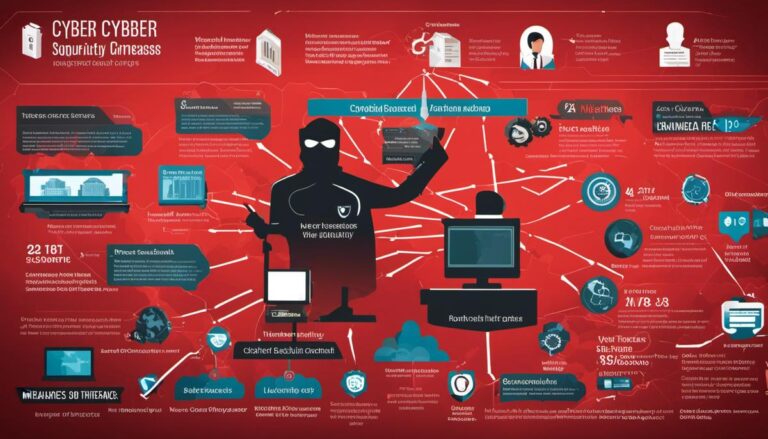

Staying Ahead: Modern Trends in Cybersecurity

In an era defined by the advancement of technology, cybersecurity has emerged as a field not only of importance but of utmost necessity. As we immerse ourselves more and more into the digital realm, cyber threats evolve in tandem, threatening the security of businesses, governments, and individuals alike. In this discourse, we’ll delve into the evolution of such cyber threats, scrutinize the latest technological innovations in cybersecurity, explore the significant role of human factors in maintaining cyber resilience, and project into an exciting yet uncertain future of cybersecurity marked by rapid advancements and sophisticated threats. Firmly rooted in this conversation is the understanding of our ever-growing need to adapt, evolve and stay informed in order to effectively counter these pervasive threats that lurk in the shadows of our digital world.

The Evolution of Cyber Threats

The Evolution of Cyber Threats: Impact on Contemporary Cybersecurity Strategies

In the rapidly evolving digital landscape, cyber threats have undergone massive transformations. This directly influences the strategies and frameworks of cybersecurity. It’s hardly a groundbreaking revelation that this continuous evolution of cyber threats necessitates a more proactive, dynamic, and progressive approach towards cybersecurity.

In the early days, cyber threats were primarily focused on simple scams and viruses, causing relatively minor disruptions. The goals were simple: a little mischief making or financial gain. Fast forward to today, the main lines of attack have diversified into a multitude of malicious intent, from identity theft, ransomware attacks, to large-scale breaches of business and national security infrastructures.

As technology advances, and the world becomes more interconnected, cyber threats evolve in intricacy, potency, and impact. Gone are the days where basic viruses were the main problem. Today, cyber threats encompass a broader range of attacks, including Advanced Persistent Threats (APTs), which infiltrate a network undetected, stealing or corrupting data over time. Simultaneously, the application of AI in these attacks, known as AI-Powered Threats, has upped the ante. They leverage machine learning to analyse patterns and swiftly bypass security protocols.

This transformation in the nature of cyber threats leads to unprecedented challenges for security initiatives. Digital espionage is no longer a concept restricted to spy novels. It’s now a daily reality for large corporations and governments worldwide, signifying the gravity of cyberspace’s dark side.

In light of this evolving threat landscape, current cybersecurity strategies equally need to evolve. Investments are soaring in AI-driven cybersecurity solutions that deliver real-time threat intelligence. Yet, the crucial aspect of the transformation in cybersecurity strategies is a shift towards a holistic and proactive approach. The strategies should no longer be about just playing defence, but also about staying on the offensive.

One such approach is the Zero Trust model. Founder on the principle of ‘never trust, always verify,’ it operates by assuming all traffic, whether internal or external, is a potential threat until proven otherwise. Meanwhile, the heavy application of predictive analytics enables the detection of potential threats before they strike.

The emphasis is now more on data protection than access control, as data is becoming the new flashpoint in cyber warfare. Protection of data at all points – in transit, at rest, and in use – is becoming paramount to avoid scrutinous eyes and ensure integrity and confidentiality.

Also, the growing use of encrypted traffic for advanced threats indicates that encryption alone is not adequate for data protection. Real-time decryption and inspection, therefore, becomes an essential facet of contemporary cybersecurity strategies.

Undeniably, cyber threats and cybersecurity strategies are engaged in a dynamic dance that necessitates constant agility, innovation, and vigilance. This healthy tension drives both fields forward, highlighting the imperative need for a comprehensive understanding and swift reaction to this evolving digital landscape. How this technology chess game will play out remains to see, but one thing is unequivocally clear – cybersecurity isn’t a choice anymore, it’s a necessity.

Image depicting the evolution of cyber threats from simple viruses to advanced AI-powered threats and the need for proactive cybersecurity strategies

Innovations in Cybersecurity Technology

Pioneering Techniques and Technologies Tackling Contemporary Cybersecurity Challenges

As the run-of-the-mill hurdles on the cybersecurity front dismantled, the emergence of cutting-edge technology has simultaneously fueled the growth of unmitigated, complex cybersecurity threats. Fortunately, tech mavens aren’t just observing but are at the frontlines, innovating tools and tactics to address this continuously evolving landscape.

Introducing Extended Detection & Response (XDR), a burgeoning tool edifying the cybersecurity realm. Unlike its predecessors (Endpoint Detection and Response), XDR expounds on the concept by unifying all security tools into a cohesive unit. It amalgamates various detection capabilities and response actions across endpoints, networks, and servers, and cloud workloads too, offering a panoramic view of threat activity.

Then we have Security Orchestration, Automation, and Response (SOAR), a solution specifically designed for automation aficionados. Automating routine workflows and accelerating threat qualification, SOAR has become a game-changer. By fusing threat intelligence from multiple sources, SOAR fortifies protection against potential threats and increases efficiency, all while reducing human error.

Furthermore, the advances in Artificial Intelligence (AI) and Machine Learning (ML) platforms are shaping the battlefield against cyber warfare. AI and ML can adapt, learn, and forewarn about potential threats based on past behavior, exponentially enhancing the predictive capability. Efficiently classifying threats, identifying new indicators of compromise, and reducing noisy false positives are among the few prowess of these technologies.

But it’s not just AI and ML receiving all the limelight, Cloud-native Application Protection Platforms (CAPPs) are emerging as a fan-favorite, especially amidst the ongoing cloud transition. Offering precise controls and comprehensive visibility, CAPPs reinforce defense strategies by consolidating security tools and integrating them seamlessly into cloud-native applications.

Privacy-Enhancing Computation technologies also take center stage in emerging responses to cyber threats. By enabling data analysis and collaboration without exposing the raw data, these technologies resolve the paradox of sharing data for business needs and maintaining privacy. Differential privacy, homomorphic encryption, and federated learning stand tall under this umbrella, revolutionizing secure computation and data analysis.

Cybersecurity Mesh — a flexible, architectural approach where security perimeter is defined by the identity of a person or thing — is increasingly recognized for its robust defense capability. It supports the remote workforce by allowing anyone to securely access digital assets from anywhere, pivotal in this era of dispersed workforces.

It’s clear: As cyber threats diversify, so do the paradigms of protection. Engineer “Defense in Depth” into architecture, persistently upgrade skills and tools, and perceive all traffic as a potential threat – this is the new era of cybersecurity. Simply put: Get ahead or get compromised. It’s survival of the tech-savviest.

Image depicting various cybersecurity challenges and technologies

The Human Factor in Cybersecurity

…Now, let’s shift gears and chronicle the human element of cybersecurity. Granted, security systems and software are vital components. But equally crucial is a well-educated and trained workforce. Technology can fail, be bypassed, or misused, and operational mistakes happen – hence, the assertion that humans can often be the weakest link in cybersecurity.

Curbing this problem requires education, policy, and culture shifts. Employee training is, in many cases, a business’s first line of defense. Organizations are investing in cybersecurity awareness programs, teaching team members to identify and rectify security risks. Content covered can range from recognizing phishing emails to proper data handling procedures. The idea here is to embed a security-conscious mentality at all levels of the organization.

Deeper than education, however, is the concept of a cybersecurity culture. Going beyond periodic training sessions, a cybersecurity culture ingrains the importance of protecting information into everyday business operations. This goes hand in hand with implementing transparent internal security policies that provide clear guidelines on the acceptable use of business systems and how to respond to incidents.

As threats become more complex, the need for adaptive and comprehensive training also escalates. More organizations are opting for gamified cybersecurity training, a more engaging method that encourages active participation through game dynamics. This involves creating realistic cyber threat scenarios and testing employees’ reactions, an approach that can enhance recall and response time during actual attacks.

Another human-related challenge in cybersecurity is the talent gap. There’s a growing need for skilled cybersecurity personnel as cyber threats become more intricate. Universities and vocational schools are beginning to address this demand by providing cybersecurity-related curriculums. At the same time, businesses are investing in continued education and training for their current employees to fill this gap in-house.

Furthermore, wide adoption of new tech trends to manage the human element better is also palpable. Use of behavioral analytics and AI can detect anomalies in users’ behavior, allowing IT personnel to effectively manage insider threats. On the other hand, Passwordless Authentication can eliminate the risk posed by weak or stolen passwords.

To wrap things up, while the human factor can be the weakest link, there’s plenty being done to manage and educate our way to better protection. As technology keeps advancing, so should the individuals who interact with it daily. In essence, cybersecurity is not a one-off task but a continuous process that evolves with the threat landscape. In this way, humans may become the strongest defense, not the weakest link.

Remember, the technology we trust to protect us is only as reliable as the people behind the screens.

An image depicting cybersecurity concepts and technology.

The Future of Cybersecurity

Looking ahead, it’s evident that trends such as the Internet of Things (IoT) and edge computing will continue to diversify the technology landscape and, as a result, bring new challenges to cybersecurity. Many experts anticipate that these technologies, if not properly safeguarded, can present vulnerable access points for malicious intruders. Therefore, proactive implementation of IoT and edge-specific security measures will be pivotal in future cybersecurity strategies.

Another game-changing factor will be quantum computing. At unimaginable speeds, quantum computers can break down encryption that traditional computers deem secure. Therefore, the advent of quantum-computing brings into focus the pressing need for quantum-resistant algorithms.

Moreover, legislation and compliance will heavily influence cybersecurity’s future. As data breaches continue to make headlines and privacy continues to be at the forefront of users’ concerns, governments are responding with more stringent data protection regulations. Ongoing compliance with these evolving laws will be obligatory for businesses to avoid hefty fines and reputational damage.

Cybersecurity insurance is another area expected to expand drastically. As the cost of cyber attacks continues to ramp up, more companies are viewing cyber insurance policies as a requisite buffer against potential financial devastation.

Finally, cybersecurity will increasingly turn to AI and ML for threat hunting. Instead of merely responding to breaches once they’ve occurred, these technologies will arm businesses with predictive capabilities, allowing them to proactively identify and mitigate potential threats. Moreover, AI/ML could be used to simulate cyber-attacks for testing and improving resilience of systems, an anticipatory strategy known as ‘red teaming’.

But what does this mean for businesses and individuals alike? Firstly, it underscores the importance of staying informed about emerging cyber threats and the corresponding protective measures. Both businesses and private users will need to ask “Is the technology I’m implementing secure, or does it potentially expose me to cyber threats?”

Secondly, businesses must strive to formulate solid contingency plans. A robust disaster recovery plan that creates multiple backup copies of data and systems should be a priority for any company operating in the digital era. Moreover, endeavors should be made to tighten security at the individual level. Businesses should foster a strong cybersecurity culture where everyday users are educated to identify potential threats and to follow best practices online.

Lastly, individuals need to adopt sound cybersecurity strategies, including multi-factor authentication, secure networks, regular software updates, and the usage of trusted security software. Awareness needs to extend to voice-activated smart devices and wearables, ensuring they’re not open conduits for snoopers.

In this ever-evolving landscape of cyber threats, complacency isn’t an option. The journey of cybersecurity is continuous and it is one we all—businesses, employees, individuals—must navigate with unwavering vigilance. The future is now and it is paramount that we all stay one step ahead in this digital chase.

An image depicting various futuristic cybersecurity concepts and technologies.

As we chin up to the future, it’s critical to acknowledge not only the threats that loom over our digital society but the technological progress that makes our defenses more robust. Our exploration across different components of cybersecurity underscores a multi-faceted reality – the increasing complexity of cyber threats, the dynamism of innovative countermeasures, the irreplaceable role of human vigilance, and the criticality of future-readiness. It’s evident that maintaining a strong cybersecurity posture requires a balanced mix of advanced technologies, informed and integrated defenses, and forward-thinking strategies. Immersing ourselves in this understanding empowers us to navigate the technology-driven era with vigilance and resilience, building a safer and more secure digital environment for all.

How to Integrate Deception Technology Into Your Cybersecurity Strategy

0

Cybercriminals are getting craftier when it comes to planning and executing malicious attacks. Companies should keep up with the latest trends to avoid being victims of costly and debilitating system infiltrations. Deception technology is making waves in the cybersecurity industry with modern security features that make detection and repelling attacks more effective.

What Is Deception Technology?

Deception technology is a cybersecurity strategy that uses decoys to mislead and entrap attackers. Security teams set up legitimate-looking resources to attract criminals and make them believe they’ve infiltrated the system. In reality, they’re being led away from all the essential assets.

Criminals are typically after valuable information like customer data and credentials. Deception technology can populate systems with fake account details to bait attackers into accessing the wrong servers or assets to delay and ultimately thwart their attacks. Once an attacker opens the phony list, it will trigger an alarm that notifies the security team.

Modern deception technology is a step up from earlier honeypot strategies. Honeypots were an effective method to attract attackers, but they are often static techniques. They can also swiftly become outdated, making them easier for attackers to evade. Honeypots can result in multiple false positives that distract security personnel from detecting valid system attacks elsewhere.

Types of Deception Technology

According to research, the deception technology market will be worth $4.21 billion in 2030 after being valued at $1.52 billion in 2021. It’s gaining traction as companies recognize its potential in securing their valuable assets. Cybersecurity teams can use deception technologies to repel attackers and prevent future infiltrations. Here are some of them.

Deception DNS

Creating fictitious domain name systems is a viable deception technology to lure attackers away from legitimate systems, servers and assets. Cybersecurity teams can deceive bad actors into connecting to decoy servers to study their intentions, methods and strategies.

These decoy servers are set up to mimic every aspect of a secure site, and they can even trick legitimate users. Deception experts can manipulate numerical IP addresses and disguise them as the real deal. The decoy server monitors criminals and their actions, and security teams can then analyze the data and use it to strengthen existing security measures.

Canary Tokens

Canary tokens are digital tripwires that trigger an alarm when unauthorized people try to access secure assets or systems. This deception technology is excellent at detecting potential attacks or security breaches as it is an early warning device in cybersecurity strategies.

Security teams can plant canary tokens in multiple areas to increase the likelihood of detecting would-be attackers. Cybersecurity personnel can disguise tokens as high-value resources to entice bad actors and initiate an interaction.

Deceptive Data

One of the goals of deception technology is to dissuade hackers from progressing in their malicious attacks. Security teams can populate databases with fake information like customer account details, making it incredibly challenging for criminals to identify real accounts.

Deception technology can delay cyberattacks by making criminals go through hoop after hoop as they attempt to infiltrate the system. This delaying tactic gives cybersecurity teams enough time to implement countermeasures and report the attackers to authorities.

Benefits of Using Deception Technology

Deception technology works best as a supplement to existing security measures. Companies of all sizes and industries can benefit from a proactive approach to detecting and eliminating threats.

Improve Response Time

Adopting different deception techniques will allow cybersecurity teams to react quickly to ongoing attacks. Cybersecurity personnel can implement various strategies to address breaches in real time. They can use tools to disrupt hackers, discourage hacks from going further and possibly identify criminals and their intent.

Detect Threats Early and Accurately

Deception sensors are designed to be discreet and difficult to detect. When the sensors notice unauthorized access or suspicious behavior, they will trigger alarms to notify security teams and identify where the attack occurs. Knowing what to look for and where to look is essential in thwarting cyberattacks.

Shorten Attacker Time on Network

Deception techniques like purposely scattering fake assets in servers and systems confuse attackers into wasting their time. Once they realize they are being monitored, they abandon their efforts to avoid discovery. This shortens their dwell time on the network and discourages future attacks.

Reduce False Positives and Staff Fatigue

Cybersecurity fatigue is real, and according to a study, 51% of workers feel overwhelmed with constant alerts. Deception sensors will only trigger alarms when bad actors try to infiltrate systems. The higher-quality detection system eliminates false positives that can unnecessarily stress staff.

Analyze Threats

One of the best qualities of deception technology is its ability to gain insight into the attacker’s mind. Cybersecurity professionals can monitor bad actors and analyze their tools, strategies and methods. Understanding criminal behavior is also essential in cybersecurity. Security teams can stay ahead once they know the criminals’ intentions and skills.

Prevent Future Attacks

Preparing for future attacks is critical for cybersecurity strategies to succeed. Companies that become complacent will be primary targets for hackers and other bad actors. IT teams must do what they can to be prepared and updated on current threats and vulnerabilities. Deception technology gives cybersecurity professionals an edge in repelling attacks and unmasking criminals.

Modern Deception Technology Augments Cybersecurity

Taking a proactive stance on cybersecurity requires constant tweaks to existing strategies. Adding deception technology to security measures will help ensure smooth business operations by detecting and eliminating potential threats early.

How Secure Are Smart Locks?

0

Many people are looking into equipping their homes with smart locks. They reduce the need for carrying house keys, alert you when someone enters your residence and even allow you to remotely let people in during an emergency.

Some wonder how secure these locks are and how they compare to the traditional option. Here’s what security these smart locks offer, some of their features and whether they are the right option for your home.

What Are Smart Locks and How Do They Work?

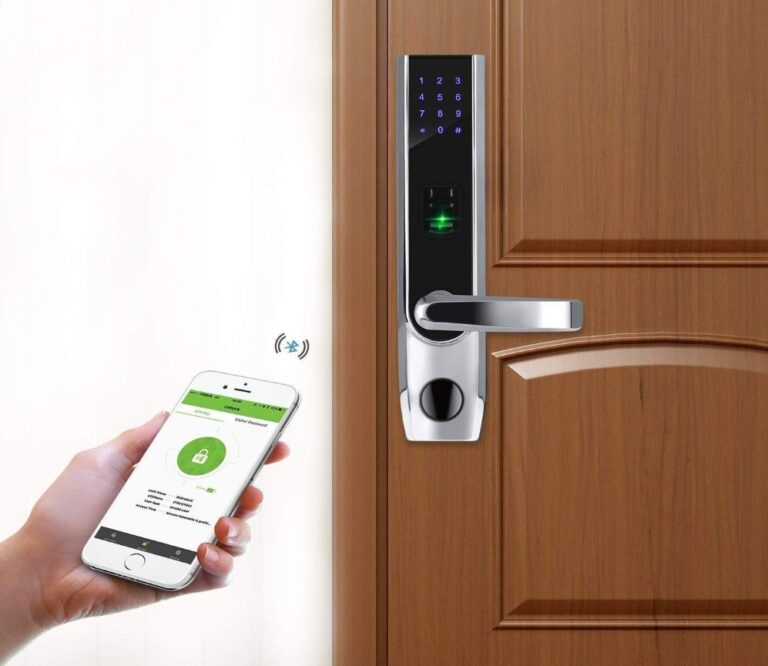
A smart lock is an internet-connected device that lets people use their smartphones to unlock and lock their homes. This provides many benefits in terms of security and comfort. These devices work with Bluetooth and Wi-Fi.

Smart locks allow the homeowner to access the device and unlock the house remotely. This can be useful if someone requires entry when you are not there, such as a neighbor who needs to feed your pets.

While the design of these locks can differ, most manufacturers install both Bluetooth and Wi-Fi capabilities. This is because Bluetooth alone can create challenges and limit what is possible with a smart lock.

One great feature some of these smart devices possess is the ability to automatically lock the doors when you leave the designated perimeter. This can be helpful if you often wonder whether you’ve locked your front door.

How Does Smart Lock Security Stack up Against Traditional Locks?

Both options offer the same type of security with their own advantages and disadvantages. For example, smart locks reduce the chance of forgetting to lock your doors at night.

Some of them allow you to schedule a time when they should activate. Also, the device will send you an alert if someone tries to tamper with the lock or successfully breaks in. You can have the smart lock automatically message the authorities or a security company if this happens. These locks are also considerably more challenging to pick than regular ones.

Many people wonder if these types of locks are susceptible to hacking. The answer is yes, but manufacturers take precautions to prevent this. There are also procedures you can take to decrease the likelihood further. Any device that connects to the internet is at risk of being hacked.

However, implementing a few best practices reduces the possibility of this happening. You can frequently change your Wi-Fi password, keep all systems up to date, install anti-virus software and utilize multifactor authentication.

Many people like that smart locks reduce the need for carrying house keys. You only require your smartphone. In addition, some of them add a level of comfort by automatically unlocking the door as soon as you come within range. This is especially useful when carrying groceries. This way, the door opens on its own and you do not need to scrounge through your pocket for your keys.

However, what happens when you lose your mobile phone? It depends on how the manufacturer addresses these types of situations. For this reason, many recommend choosing a smart lock option that still uses a key or requires a passcode to gain access.

Are Smart Locks Safe?

Smart locks are safe, but there are considerations to keep in mind. It is better to do adequate research about the lock you want and buy from well-respected manufacturers. Many offer an extra security layer, such as encryption and two-factor authentication.

The latter kicks in when you try to change the lock’s password. Usually, it asks for a one-time PIN to verify you are making the changes. According to research, users can stop 99.9% of attacks from hackers trying to access their accounts if they use two-factor authentication.

In addition, when a burglar tries to guess the code, it will lock them out after too many failed attempts. It will also alert you of the incident.

Smart locks are especially a great choice if your home has existing security systems, such as motion cameras. For example, you can enable a feature to allow the lock to activate when the camera detects movement.

Another factor that makes smart locks more secure than the traditional option is that you can create passcodes specific to certain individuals. For example, if you have a cleaner, you can designate a code for them to use. This reduces the need for less secure practices, such as leaving a key for them under a doormat or keeping the backdoor unlocked.

You can also set the code to only work at predefined hours. If it is past the predefined time, the door will lock automatically — if it was open — or the passcode will no longer work. This can be helpful if you have kids coming home from school.

Should You Use Smart Locks for Your Home?

Using smart locks is entirely up to personal preference. They have useful benefits, such as providing convenience for disabled or elderly residents and preventing lockouts. However, you must consider the drawbacks before buying and installing them. One of the major issues is when you live in an area with frequent power outages or if you lose your mobile phone. That can make it challenging to regain access to your home.

Also, individuals less used to technology face a learning curve as they adjust to using smart options. It might be easier and take less effort for them to rely on a traditional lock.

It comes down to your needs and if it makes sense for your home. If you are considering one, ensure you perform adequate research to help you determine whether it is worth it.

Protecting Your Home With Smart Locks

If implemented correctly, smart locks are an effective way of making your home more secure and adding a level of comfort. They offer many advantages, and it’s not surprising to see so many individuals implementing them into their home security.

Protecting Your Personal Data: Recognizing Phishing on Social Media

In our digitized world, the value of personal data has skyrocketed. Cybercriminals, realizing the goldmine that is our online information, constantly devise sophisticated methods to deceive us. 

Social media, given its vast user base and inherent trust factor, has become a common hunting ground for these malicious actors. One of their favored tactics? Phishing

Recognizing the signs of phishing on platforms like Facebook, Twitter, or Instagram is crucial to protecting oneself from potential harm.

The Pervasive Threat of Phishing

Phishing is a cyberattack technique where fraudsters impersonate legitimate entities to steal sensitive data. 

On social media, this might manifest as direct messages from fake profiles, posts promoting fraudulent giveaways, or comments redirecting users to malicious sites. 

With the blend of personal and professional data shared on these platforms, understanding the landscape of this threat is imperative.

Common Indicators of a Phishing Attempt

Awareness is the first line of defense. By recognizing these red flags, users can significantly reduce their risk:

  • Urgency in Communication: Messages that demand immediate action, such as “Click now before it’s too late!”
  • Mismatched URLs: The visible link might look legitimate, but hovering over it reveals a different, suspicious URL.
  • Request for Personal Information: Genuine companies rarely, if ever, ask for sensitive data through social media.
  • Grammatical Errors: Phishing messages often contain spelling mistakes or awkward phrasing.
  • Too-Good-To-Be-True Offers: Winning a random lottery or receiving incredible offers out of the blue can be lures.

The Nuances of Social Media Phishing

Unlike traditional email phishing, social media offers unique avenues for deception:

  • Profile Impersonation: Attackers can replicate a friend’s profile, making their deceitful messages seem legitimate.
  • Fake Advertisements: Sponsored posts promoting fake products or services might lead to phishing sites.
  • Infiltrated Accounts: Sometimes, a genuine account might be compromised and used to spread malicious links among its followers.

Armoring Yourself Against the Phishing Menace

Understanding the threat landscape is just the beginning. To genuinely defend oneself, a combination of proactive personal strategies and leveraging platform-based security features is essential. In an age where data is often described as ‘the new gold’, ensuring its safety is paramount.

Regularly Update and Monitor Privacy Settings

In the dynamic world of social media, where platform features and settings often evolve, maintaining a routine check on your privacy settings becomes essential.

  • Profile Visibility: Your personal information is a treasure trove for cybercriminals. Adjust settings to ensure only trusted contacts can view your full profile. This doesn’t just reduce your exposure to phishing but also prevents unnecessary data collection by third parties.
  • Two-Factor Authentication (2FA): 2FA acts as a double lock for your accounts. Even if cybercriminals get hold of your password, they would need a second verification, usually a code sent to your phone, to access the account. The additional few seconds it takes can be the barrier between safety and a security breach.
  • Monitor Connected Apps: Over time, we often grant numerous apps access to our social media for convenience. Each of these connections is a potential vulnerability. Periodically reviewing and revoking unnecessary permissions helps keep your data contained.

Wi-Fi Security for Small Businesses

An often overlooked aspect of digital security is the network you’re connected to. Especially for small businesses, where proprietary data might be transferred over Wi-Fi, ensuring network security is critical.

  • Secure Your Network: Changing the default Wi-Fi name and setting a robust password is step one. Cybercriminals often target networks with default settings, assuming they might have other vulnerabilities.
  • VPN Usage: VPNs act as encrypted tunnels for your data, making it incredibly hard for prying eyes to interpret any intercepted information. For businesses, they ensure that data, such as customer details or business strategies, remains confidential.
  • Regular Updates: Cyber threats evolve, and so should your defenses. Regularly updating your routers and other connected devices ensures they’re shielded against known vulnerabilities. Remember, outdated software is a low-hanging fruit for attackers.
  • Guest Networks: For businesses that provide Wi-Fi access to clients or visitors, setting up a separate guest network ensures that external devices don’t have a pathway to critical business data.

Educate and Stay Updated

In the realm of cybersecurity, complacency is a foe. Continual education and awareness form the bedrock of any robust defense strategy.

  • Awareness Training: Holding regular training sessions, even short ones, can keep employees or family members aware of the latest phishing techniques. This way, they’re less likely to fall victim to newly devised strategies.
  • Stay Informed: Subscribing to cybersecurity blogs or following cybersecurity experts on platforms like LinkedIn or Twitter ensures you’re in the loop. Being aware of current threats allows you to adapt and prepare.
  • Report Suspicious Activity: Taking responsibility is key. If you stumble upon a phishing attempt, report it. Not only does this protect you, but it also aids platforms in identifying and neutralizing threats, creating a safer online community for everyone.

Endnote

In the expansive and intricate realm of social media, where every click and share brings with it the promise of connection and discovery, lurking shadows of threats also persist. 

Phishing, with its chameleon-like adaptability, is particularly insidious. It doesn’t storm the front doors but instead disguises itself, slipping through unnoticed, often wreaking havoc in the form of personal data breaches.

It’s easy to feel overwhelmed or even complacent, thinking one might never fall for such attempts. But herein lies the strength of phishing – its ability to catch even the wary off-guard. However, the solution isn’t to shy away from digital interactions but to equip oneself adequately.

By adopting a proactive approach towards our digital well-being, we can mitigate these risks. This means routinely reviewing and updating our security protocols, from the foundational Wi-Fi networks to the apps we interact with. 

Moreover, fostering a culture of continuous education and awareness, both at home and in professional settings, acts as the first line of defense. Understanding the tactics employed by cybercriminals allows us to recognize and counteract attempts before any harm is done.

While the challenges posed by cyber threats like phishing are real and evolving, so too are our strategies and tools to combat them. By remaining vigilant, informed, and proactive, we can ensure that our experiences on social media remain enriching, engaging, and, most importantly, secure.

How to Encrypt Phone Calls (Top 4 methods)

1

Essential Guidelines for Encrypting Mobile Phone Communications

In today’s modern workplace, phone communications – ranging from voice calls to text messages – are vital for maintaining productivity, especially amidst the rise of remote work since the onset of COVID-19. For sectors from healthcare to banking, mobile devices facilitate the secure transmission of sensitive data through various mediums, including VoIP calls, SMS, video conferences, and more. The implications of neglecting encryption, including the potential compromise of business strategies or sensitive client information, underscore the imperative need for understanding and implementing phone call encryption.

Ominously, mobile phones, particularly those running Android, are common targets for cybercriminals’ military-grade anti-eavesdropping – especially when these devices are not equipped with end-to-end encryption. Checkpoint’s 2021 Mobile Security Report disclosed that almost all businesses experienced cyberattacks focused on mobile communications, from calls and apps to entire networks. This report emphasizes the heightened risk, for instance, a ransomware attack could disrupt business operations, or a stolen company secret could give a competitive edge to rivals. The significance of secure phone calls through encryption tactics becomes starkly obvious when considering these tangible impacts.

  1. Alarmingly, around 46% of companies are vulnerable due to employees downloading potentially malicious applications on their mobile devices. These apps open a backdoor for cybercriminals to eavesdrop on unencrypted video and voice calls, which could lead to significant data breaches and other security incidents.
  2. Unsettlingly, over 40% of mobile devices connected to the internet – encompassing Android and iOS platforms – have inherent vulnerabilities within their operating systems. Cybercriminals could exploit these weak spots, potentially leading to unauthorized access to user data or system control.
  3. A whopping 97% of global organizations grapple with myriad threats endangering their secure phones. Our escalating reliance on mobile technology and wireless connectivity amplifies the attack surface that cyber criminals can exploit, increasing the risk of multiple, simultaneous cyberattacks.

The Crucial Role of Secure Voice Calls for Business Communications

Secured communications are a cornerstone of data and privacy protection. Encrypted phone calls instill a sense of security, reassuring businesses that malicious cyber entities can’t intercept sensitive information shared via unsecured internet connections. The implications of secure calls extend beyond mere active efforts towards cybersecurity, as numerous regulations mandate businesses to uphold the full privacy of all stakeholders. Non-compliance could result in hefty fines, legal ramifications, and damaged reputations.

Ultimately, the encryption of phone calls ensures secure messaging, safeguards file transfer, and maintains the security of caller ID – all of these contribute to enhancing user privacy. Experts concur that mobile encryption is vital in preserving the privacy of users since hackers are perpetually engaging in man-in-the-middle attacks to pilfer personal, unencrypted information.

Common Phone Communication Methods

1.      Voice over Internet Protocol (VoIP)

VoIP is a leading call communication standard that enables users to make voice and video calls. VoIP providers, such as Zoom and Skype, have become essential in the post-pandemic era since VoIP calls are done via an internet connection. However, sufficient network security and call encryption measures are essential components required to ensure secure communication. Attackers can intercept unencrypted VoIP communications, especially if they are done over insecure wireless networks.

Besides, since VoIP integrates CRM systems and analytics platforms, unencrypted VoIP has heightened security risks to a company. Therefore, organizations should only use VoIP providers that implement end-to-end encryption, deploy secure wireless networks with TLS security and enabled Secure Real-time Transport Protocol (SRTP), and implement two-factor authentication to prevent unauthorized use.  

2.      How to encrypt phone calls (Landlines)

Landlines are largely unutilized today due to increased mobility and access to Internet services. Nevertheless, landlines are often secure since a single line connects callers on each end of the line. Although wiretapping attacks are possible threats, they are usually difficult to execute for individuals lacking access to law enforcement resources. Still, security threats impacting landlines are a reality, and enterprises should implement sufficient protection measures. A common method of enhancing the security of landline calls is only using secure phones that implement measures for implementing voice calls. In addition, callers on both ends of the line must use encrypted phones to protect sensitive communication from prying eyes.

3.      How to encrypt phone calls (Cell Phones)

Cell phones have taken over communication in every sphere worldwide. Factors like reasonable security measures, convenience, and cheap costs have increased cell phone communication uptake. However, cell phones communicate through network signals, and individuals with the requisite knowledge can intercept them. Fortunately, an array of encryption techniques makes it possible to transmit confidential data without worrying that the communications may fall into the wrong hands. However, the overall security of cell phone communications largely depends on implemented encryption techniques. The following section discusses the different ways cell phone users can encrypt different types of phone communications.

Recommended Practices for Encrypting Phone Communications

1.      How to Encrypt Phone Calls (Voice and Video Calls)

The Signal app, a desktop and smartphone encryption app is a widely used method for ensuring user privacy. Numerous security researchers have audited the open-source application, with academic cryptographers and renowned security analysts like Edward Snowden recommending it for its encryption capabilities. Therefore, Signal users can use it to make encrypted Signal voice and video calls. Alternatively, WhatsApp, the leading messenger platform, uses Signal’s encryption protocols for video and voice calls and is suitable for secure communication. Also, organizations can use the Wire encryption app to make encrypted group calls, an essential attribute for protecting the details of a highly sensitive conference call.

2.      Encrypting Email Communications

Email communication is a widely used method for sharing sensitive data due to its convenience and reliance over the years. However, attackers have devised various methods through which they can intercept email communications. Luckily, multiple email applications contain built-in encryption protocols designed to safeguard secret chats. For example, users can integrate Enigmail with Mozilla’s Thunderbird email client to send encrypted email messages. Mailvelope is also a browser plugin that users can install to encrypt Gmail messages. Also, Protonmail email provides an end-to-end encrypted email service but requires all users to create Protonmail email accounts to send email messages securely.

3.      Encrypting Data at Rest in Cell Phones

Android and iPhone users account for the lion’s share of mobile device users worldwide. As a result, they store terabytes of sensitive information that can attract malicious individuals, such as hackers and disgruntled friends or family members. Encrypting data at rest is a critical measure for protecting against unwanted access to personal information. Luckily, smartphone storage encryption is fairly effortless. Smartphones enable full-disk encryption, where setting a strong passcode can provide the necessary protection. Biometrics like fingerprints also enable users to encrypt and secure stored information.

4.      Encrypting Test Messages

Modern messaging platforms provide end-to-end encryption protocols to prevent cybercriminals from intercepting communicated messages. WhatsApp and Signal are among the most popular messaging services renowned for their message encryption standards. Also, Facebook’s Secret Conversations encrypt data communicated through Facebook’s Instant Messaging app. However, other messaging services permit users to sign up without providing a phone number. The apps are recommended for phone users seeking some level of autonomy. However, downloading communication applications from third parties rather than the official vendors may introduce security risks like inadequate encryption and backdoors used for data exfiltration.