Wednesday, April 15, 2026
Home Blog Page 270
AI cybersecurity guidance for small businesses

Know where your business is exposed, what matters most, and what to fix first.

CyberExperts gives small businesses AI-generated cyber checkups, practical recommendations, and recurring cyber hygiene monitoring โ€” without enterprise consulting complexity.

AI Cyber CheckupIdentify likely weak points and get a prioritized action plan.
Recurring MonitoringStay current with updated cyber hygiene guidance over time.
Built for SMBsPractical recommendations for real-world small business setups.

Most small businesses know cybersecurity matters. Very few know what to fix first.

CyberExperts turns cybersecurity confusion into a practical action plan. Instead of vague fear, generic checklists, or expensive consulting, you get AI-generated guidance focused on likely risks, weak spots, and the most important next steps.

How it works

1. Tell us about your businessShare your team size, tools, email setup, device practices, and current security habits.
2. CyberExperts analyzes your setupOur AI reviews likely weak points, common risks, and practical cyber hygiene gaps.
3. Get a prioritized action planReceive clear next steps in plain English โ€” focused on what matters most.
4. Stay current with ongoing monitoringAdd recurring cyber hygiene monitoring if you want updated guidance over time.

Start with a checkup. Continue with monitoring.

AI Small Business Cyber Checkup

A one-time AI-generated assessment that identifies likely weaknesses, highlights the biggest issues, and gives you a practical action plan.

  • Likely weak points and avoidable risks
  • Top-priority recommendations
  • Plain-English next steps

AI Cyber Hygiene Monitor

A recurring cyber hygiene subscription that updates your recommendations, flags likely weak spots, and helps you stay current over time.

  • Recurring reassessment
  • Updated recommendations
  • Refreshed priorities over time

What CyberExperts does โ€” and does not do

Done by AICyberExperts is built as an AI-delivered cybersecurity guidance product.
For small businessesDesigned for operators who want practical guidance without enterprise complexity.
Not a magic guaranteeIt helps identify likely risks and prioritize what to fix first.
Recurring option availableContinue with ongoing Cyber Hygiene Monitor updates over time.

See your biggest cybersecurity gaps in plain English.

Start with an AI Cyber Checkup and get a practical view of what to fix first.

How IP addresses affect internet access

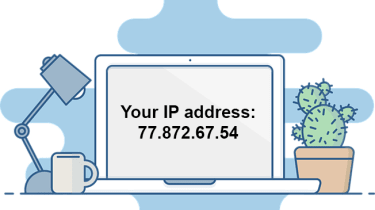
Understanding how the internet works is the key to conquering it with the most innovative tools. At the core of every IT device, there is a sequence of numbers – an IP address used to identify a device to ensure proper communication between hardware and software. What looks like a very simple set of digits carries a lot more information about the user and their ability to visit certain websites and experience localized content.

That is the key aspect we would like to focus on – the location assigned to your IP. Because your address is associated with the internet service provider (ISP). In this article, we will discuss the ways your location impacts the web and the content you see. As we continue, you will learn about different versions of the internet and what are the best internet privacy tools to manipulate these rules to your advantage. For example, some countries block access to specific sites, and businesses restrict visits to potential clients from one region. Thankfully, we have internet privacy tools that help us achieve these goals – proxy servers.

For example, a Philippines proxy opens the localized internet in the region. This means you will see the same ads, search engine results, and local website access as an internet user from the Philippines. Giving equal opportunities to all internet users is not worth it, as it would lead to overcrowded servers across the world. However, with a Philippines proxy, or a server from any other location, you can experience the location changes and how they affect your online experience. Keep reading to learn more about these tools, or check out a blog article from Smartproxy – one of the biggest proxy providers in 2023.

Why web servers know your location

For devices that access the web through a public IP address, every visited website will know your approximate location and change the rendered information to adjust to your region. This is usually done by search engines, social media platforms, and online ships to create the most comfortable experience for the visitor.

Thankfully, the information about your location is only approximate. These pages do not know your accurate address (unless you disclose it during account creation or product checkouts) but instead, trace back the information about the region to your ISP.

While this information is not too invasive and does not put you in real danger, being bound to one region forces you to see its advertisements, localized search engine results, and location restrictions that could block you from accessing the content in other regions.

What to do when a website is blocked?

If you cannot access the page with your main IP address, we have two cybersecurity options to bypass limitations: VPNs and Proxy servers.

Change your IP with a VPN

VPNs, also known as Virtual Private Networks, change the direction of your connection, routing it to a remote intermediary server. Its unique strengths are encryption and unique tunneling protocols that make sure the connection stays invisible to any spying attempts.

Even if you connect to the web through a public Wi-FI network, VPN encryption makes sure that the information is encrypted before leaving your device. As it passes the default gateway, it is already protected; therefore, even the owners of the network cannot look inside.

However, VPN services also have drawbacks. The most popular providers rarely have servers in more than 50 locations, and the fleets of available servers only produce a few thousand IPs. Also, the deals from the best providers are often more expensive than proxy servers.

VPNs are a solid choice for a private browsing experience, but they have drawbacks for business-related tasks.

Use proxy servers

Proxy servers are a better alternative due to their simplicity and broader application. First of all, we have two options: datacenter and residential proxies.

Datacenter servers have IPs bunched up in big data centers running on high-end hardware. They are cheaper than residential proxies and produce faster speeds but have no affiliation with internet service providers. When you test your IP address on the internet, the information about your ISP adds legitimacy to the connection, making it look like real, organic internet traffic. Datacenter IPs do not look like normal web traffic, which makes them easy to recognize and ban.

Residential IPs are the addresses used by real computers and smartphones serviced by ISPs. The best proxy providers have massive server fleets with millions of residential addresses in all countries that can be used to mask your connection. Residential addresses provide more options and work better for private browsing sessions and the automation of data scrapers, social media managers, and other bot software.

Conclusion

While IP addresses affect how we see the internet, they can be easily changed with VPNs or proxy servers. With good proxy providers, you can access millions of addresses with hundreds of locations and change the visible content at any time.


How to Create an Effective Data Recovery Strategy

0

Hackers compromise data daily, with more creative efforts testing the limits of analysts beyond modern capabilities. New strategies are needed to keep up with ramping technology and contemporary threat actors.

Though cybersecurity resilience involves myriad obstacles, like two-factor authentication, a modern priority should be data recovery. Breaches from massive to seemingly minor scales could happen, and responders need multiple plans for getting information back. 

What Is Data Recovery and Why Is It Essential?

Data is delicate, and countless unfortunate mishaps can happen, including corruption, misplacement and theft. Recovery restores information from external storage facilities to increase resilience against human error and cyberattacks. It protects data from environmental or unexpected circumstances like fire or system failure.

For example, if a ransomware attack happens and the hacker threatens double extortion — making a company pay for an encryption key on top of the data — the victim may not need to pay if they can reclaim the information from another place. Law enforcement may still need to act upon the criminal to stop the malicious spread of data, but at least nothing is lost.

Data recovery has always been essential, but it took a backseat to other cybersecurity priorities like reinforcing firewalls and decreasing remediation times. Cybercriminals know how recovery is rising in importance, molding new ways to circumvent firewalls and achieve their goals. Therefore, making a comprehensive data recovery plan that covers every circumstance will fortify everyone for the future.

How Can Companies Create a Solid Strategy?

Forging a data recovery plan is multifaceted and time-consuming, so plan appropriately and have reasonable expectations as planners navigate these critical steps.

Consider Every Influence

First, assume all information can be erased or corrupted. Though natural disasters don’t cause power outages often in particular locations, data recovery considers this as if it were a certainty. Of course, there will always be a threat from cybercriminals, but knowing that isn’t enough when outlining a holistic strategy. Does a company understand what attacks are more common now and how hackers innovate old ideas to permeate previously secure systems?

Another direct threat is human error. There has to be a way to recover data if employees accidentally delete it or drop files in forgotten folders.

Visualize Priorities

You might have more information than you know, and it doesn’t all have equal significance. Because data recovery implementation takes time, it’s vital to consider potential threats during the process. Therefore, the highest priority data should get backed up and secure first.

Outline all data silos and what information and software are pillars to survival, including backing up Active Directory among critical personally identifying information. Plan where mission-critical data will go and envision how it will stay secure while managing subsequent data pockets.

Delegate Responsibilities

Assign a team and distribute permissions to these storage centers. They can set reasonable expectations by outlining the following:

  • Recovery time objective: RTO answers two questions — how long necessary data, like software, could be unavailable during recovery and how long the process could take.
  • Recovery point objective: You probably aren’t backing up data continuously. Therefore, there is a window where systems aren’t saving information. This is the RPO, and it’s vital to know how large of a gap a company could sustain if threats compromise access.
  • Version retention objective: VRO helps companies know what versions of data need to stay secure and how long they will protect older ones.
  • Geographical redundancy objective: This indicator outlines where data is, how often it’s backed up and how it will be replicated in a disaster scenario.

Designate who is responsible for what resources and get second opinions from other industry experts before investing in the total plan execution.

Spread Out

Data recovery is about having multiple venues for data storage. They must be independent and not localized to one host or provider. Connectivity through servers or networks could compromise all hubs if hackers find their way into an opening. Isolating some is an intensely powerful move for defense.

Everyone has relied on tangible storage devices like external hard drives or data centers for years. However, these technologies get more antiquated by the day. They are susceptible to theft, obsolescence eliminating access or environmental stressors damaging the products. Innovations like modular data centers are reviving these storage bins into more resilient and cost-effective locations, but it doesn’t mean a company should rely on them wholly.

Diversifying digital storage portfolios will improve processes, so seek cloud providers in addition to physical storage to enhance data recovery strategies. It adds to other security measures like layered security and immutable data protection.

Performing Regular Testing and Upkeep

Maintaining a consistent backup schedule, alongside analyzing data to ensure companies aren’t storing already-corrupted information, will increase digital trust among customers, employees and stakeholders. These processes should be as automated as possible to improve recovery times, using updated software that employs additional cybersecurity measures outside internal teams. Testing simulations or analyzing individual components of the data recovery plan should be a constant discussion.

What Are the Consequences of Poor Data Recovery?

Poor data recovery includes numerous oversights, including an initial dismissal of the importance of cybersecurity altogether. Everyone has witnessed a seemingly impenetrable Fortune 500 company become subject to a hacker’s whims.

Companies lose millions to fight the threat and react by investing more in strengthening cybersecurity after the fact. Instilling a proactive strategy instead of a reactive one is another step in effective data recovery.

Suppose a company already has this mindset and a data recovery strategy — it should still evaluate and update it. Neglecting to analyze modern methods could be the death blow during an attack. Legacy recovery methods take time, sometimes weeks, depending on how much information is lost.

Plus, companies that use older software that has gone defunct but is still operable could have countless vulnerabilities from lack of patching.

Data Recovery Becomes More Relevant

Data loss could be impossible to recover from — or it can be streamlined and methodical with a well-tested process. Everyone, from companies to individuals, should consider how they store their information and if it’s easily accessible to the owner and incoming threats. An attentive recovery plan could be how a company stays in business because it chose prevention instead of battling an active threat.

Social Engineering is Getting Better and More Dangerous

0

Social engineering is a tactic used by cyber criminals to manipulate and deceive individuals into divulging sensitive information or taking actions that could compromise security. This tactic is often used in conjunction with other forms of cyber attacks, such as phishing or malware, to increase the chances of success.

One of the most common forms of social engineering is phishing. This is when an attacker sends an email or message that appears to be from a reputable source, such as a bank or a government agency, in an attempt to trick the recipient into providing personal information or clicking on a malicious link. These emails or messages often contain links to a fake website that looks legitimate but is actually controlled by the attacker. The attacker will then use the information gathered to access sensitive data or financial accounts. To protect against phishing, it’s important to use anti-phishing software and browser extensions that can detect and block known phishing sites. Additionally, it’s important to be suspicious of unsolicited emails or messages, especially those asking for personal information or login credentials.

Another form of social engineering is baiting. This is when an attacker offers a reward, such as a prize or a free download, in exchange for personal information. This tactic is often used to trick individuals into providing sensitive information, such as credit card numbers or login credentials. To protect against baiting, it’s important to be cautious of any offers that seem too good to be true, especially those that ask for personal information in return.

Pretexting is another form of social engineering, where an attacker creates a fake identity or scenario to trick an individual into divulging personal information. For example, an attacker may pretend to be a financial institution representative and ask for personal information to verify an account. To protect against pretexting, it’s important to be suspicious of unsolicited phone calls or emails, especially those that ask for personal information. Additionally, it’s important to independently verify the identity of the person or organization making the request before providing any information.

Quid pro quo is a form of social engineering where an attacker offers to do something for an individual in exchange for information or access to a system. For example, an attacker may offer to help fix a computer problem in exchange for remote access to the system. To protect against quid pro quo, it’s important to be cautious of unsolicited offers of assistance, especially those that ask for access to sensitive information or systems in return.

Social engineering attacks are often successful because they take advantage of human nature. People are naturally trusting and helpful, and attackers exploit this by disguising themselves as someone trustworthy or offering something of value. Additionally, social engineering attacks often prey on people’s fear, curiosity, or greed to manipulate them into taking actions they wouldn’t normally take.

To protect against social engineering attacks, it’s important to raise awareness among employees and the general public. This can be done through regular training and education and by providing resources and guidelines for recognizing and reporting suspicious activity. Technical controls, such as multi-factor authentication, can also help to reduce the risk of a successful attack. Multi-factor authentication requires an additional form of verification, such as a fingerprint, a one-time code sent to the user’s mobile phone, or a token in addition to a password. This makes it much harder for attackers to access an account, even if they know the password.

It’s also important to be vigilant and suspicious of unsolicited requests for personal information, even if they appear to be from a reputable source. When in doubt, it’s always best to independently verify the identity of the person or organization making the request before providing any information.

In conclusion, social engineering is a tactic that cybercriminals

The Increased use of AI in Cyber Attacks and Defenses

0

The integration of machine learning (ML) and artificial intelligence (AI) in cybersecurity is rapidly increasing, bringing about new possibilities and challenges.

On the offensive side, attackers are starting to use AI to improve the efficiency of their tactics. For example, AI-based malware can adapt to evade traditional signature-based detection methods by security software. This AI-based malware can also use natural language processing (NLP) to make phishing emails and messages appear more legitimate. Additionally, AI can be used to automate the process of identifying vulnerable targets, such as servers with unpatched vulnerabilities or weak passwords, by using techniques such as deep learning for pattern recognition and computer vision for image analysis.

On the defensive side, security professionals are also using AI to improve their ability to detect and respond to threats. For example, AI-based intrusion detection systems can analyze network traffic in real-time to identify anomalies that may indicate a cyber attack by using techniques such as deep learning for anomaly detection and clustering algorithms for identifying behavioral patterns. AI-powered endpoint protection can also automatically quarantine infected machines by using techniques such as random forest and decision tree algorithms to classify malicious and benign files. Additionally, AI can be used to automate the process of analyzing security logs, which can help security teams identify patterns of behavior that may indicate a cyber attack by using techniques such as natural language processing for log analysis.

However, the use of AI in cybersecurity also raises ethical considerations. For example, the use of AI to automate decision-making in cybersecurity can lead to unintended consequences, such as false positives or false negatives, due to the lack of interpretability of certain AI models. Additionally, using AI to identify vulnerable targets could lead to concerns about privacy and civil liberties, as it may involve collecting and analyzing large amounts of personal data.

Moreover, using AI in cyber attacks can also lead to the development of autonomous malware, which can operate independently of human control. This could have serious consequences, causing widespread damage or disruption to critical infrastructure. In addition, there is a risk that AI-powered cyber attacks could be used to target specific individuals or groups, such as political opponents or ethnic minorities. This could lead to further concerns about the potential misuse of AI in cybersecurity.

As the use of AI in cybersecurity continues to evolve, it is important for security professionals to stay informed about the latest developments and to consider the ethical implications of using AI in their work. Additionally, it is crucial to ensure that these AI-based systems are robust and secure to prevent them from being used to carry out cyber attacks. This can be achieved by using techniques such as adversarial training, where the AI models are trained to detect and defend against malicious inputs, or by using explainable AI (XAI) techniques, where the decision-making process of the AI models is transparent and interpretable.

In conclusion, integrating ML and AI in cybersecurity is a double-edged sword. While it has the potential to greatly improve our ability to detect and respond to cyber threats, it also raises ethical considerations and could lead to unintended consequences. As such, it is important for security professionals to stay informed about the latest developments in this field, to consider the ethical implications of using AI in their work, and to ensure that these AI-based systems are robust and secure.

The Impact of Geopolitics on Cybersecurity

0

The global cybersecurity landscape faces increasing threats, especially as new technologies emerge and bad actors become more sophisticated. Attacks are becoming more complex and costing companies of all types and sizes millions of dollars.

Geopolitics plays a major role in the cybersecurity sector. International relations are constantly changing, making protection an ever-moving target for large corporations and small businesses.

An Overview of Geopolitics

Geopolitics explains how countries, businesses, governments, and terrorist groups attempt to reach their goals by controlling various geographical factors. These entities — including governments and businesses — are constantly trying to push their agenda to gain power over each other.

The Role of Geopolitics in the Cybersecurity Landscape

Changes in geopolitics, directly and indirectly, impact the global cybersecurity landscape. When countries try to reach their goals and further their agendas, they often use any means necessary, including launching cyberattacks on other countries.

Chief information security officers (CISOs) must be highly alert due to geopolitical tensions. Some of the most powerful countries in the world — like the U.S., China, Russia, and India — are targeted more often by cybersecurity threats compared to smaller, less prevalent countries. Since these countries know they have a target on their backs, they’re forced to adopt the best cybersecurity practices to keep malicious actors at bay.

For example, the U.S. Department of Defense (DoD) recently introduced the CMMC (Cybersecurity Maturity Model Certification), an initiative to bolster DoD contractors’ cybersecurity programs and increase resilience to cyberattacks. This is only one step the government can take to reduce the chances of experiencing a cybersecurity incident.

Geopolitical Tensions Impacting Cybersecurity

Various geopolitical events in the past few years have prompted organizations to rethink their cybersecurity strategies, often requiring them to improve their cybersecurity posture.

The U.K. Labour Party

In January 2022, the U.K. Labour Party confirmed it had experienced a cyberattack on a third-party company that resulted in compromised member data.

According to an InfoSecurity Magazine article, this was the second time the party was attacked in the last two years. The politically motivated cyberattack rendered a significant amount of member data inaccessible. After the attack, various reports confirmed the attack was ransomware.

The Russia-Ukraine War

The Russia-Ukraine War has posed challenges for the two countries involved, but also plenty of other entities like international organizations and large multinational corporations.

According to Gartner, organizations located in or with clients in Ukraine have faced mounting cyber threats, including distributed denial of service (DDoS), increases in malware, targeted, persistent phishing attempts, disinformation campaigns, and even cyber-physical system attacks.

Iranian Government

In November 2022, the U.S. Cybersecurity and Infrastructure Security Agency (CISA) announced that a group of Iranian government-sponsored threat actors exploited the Log4Shell vulnerability in an unpatched VMWare server.

The hackers compromised a U.S. federal agency, breached their network, installed cryptocurrency mining software and launched a malware attack to steal sensitive data.

How Multinational Companies Can Protect Themselves

Since the persistent tension between nations has made the cybersecurity landscape riskier than ever, it’s crucial for companies — especially those working internationally — to secure their networks, servers and applications. Here are some basic tips and best cybersecurity practices companies should follow to protect their assets.

Leverage Cybersecurity Tools

Organizations must use all the cybersecurity tools at their disposal and follow trends in the IT and cybersecurity sectors. Companies should consider adopting advanced, AI-based solutions — which can detect and prevent attacks before they happen — vulnerability management tools and other security-oriented technologies.

Beware of Common Attack Methods

Identifying common cyberattacks is another way companies can stay abreast of current happenings. CISOs should educate themselves and their fellow executives about phishing, malware, social engineering tactics, crypto scams, and DDoS attacks. When more people within an organization understand risks and vulnerabilities, the less likely the organization is to experience a cyber incident.

Heed Advice From Government Agencies

Various government agencies work to educate the masses about cybersecurity threats, including how they can wreak havoc on a company’s network. For example, CISA issued warnings to companies regarding the Russia-Ukraine War. The agency recommends that all organizations take a proactive approach to cybersecurity to protect themselves against cyber risks.

Improve Cybersecurity Training

Finally, companies across the globe should prioritize cybersecurity training for employees. Now is the time to teach all employees about practicing good cyber hygiene regardless of their position. Employees should be able to identify potential phishing scams and understand the importance of changing passwords and other critical practices.

Managing International Cybersecurity Threats in the Digital Era

The geopolitical landscape is constantly changing, which makes it difficult for the average company to keep up. In terms of cybersecurity, there’s a dire need for organizations, particularly those with international stakeholders, to protect themselves from geopolitical tensions.

War, terrorist attacks, and international conflict inevitably cause political, economic, and social unrest. While organizations might consider putting their cybersecurity on the back burner, now is not the time. Companies must focus on protecting themselves from ongoing national and international cybersecurity threats.

Top 7 Cyber Certifications Ranked by Average Earning Potential in 2023

Cybersecurity is a rapidly growing field, with the need for qualified professionals to protect against cyber-attacks and data breaches increasing every day. One way to demonstrate your qualifications and skills in the field is by earning a cybersecurity certification. Earning a certification not only enhances your knowledge and skill in cybersecurity, but it also increases your earning potential.

Here is a list of the top cybersecurity certifications based on earning potential for those who hold them:

  1. Certified Information Systems Security Professional (CISSP) – The CISSP is widely recognized as the gold standard for information security professionals. It is considered to be one of the most challenging and respected certifications in the industry and is highly sought after by employers. The CISSP certification covers a wide range of topics including security management practices, security design and architecture, access control, and cryptography. The average salary for a CISSP certified professional is around $120,000 to $140,000 per year.
  2. Certified Information Systems Auditor (CISA) – The CISA is another highly respected certification, focused on auditing and assurance for information systems. It is particularly useful for professionals working in the field of IT audit and compliance. The CISA certification covers topics such as IT governance, IT management, IT operations, IT service management, and IT governance. The average salary for a CISA certified professional is around $100,000 to $120,000 per year.
  3. Certified Ethical Hacker (CEH) – The CEH is a popular certification for those interested in penetration testing and ethical hacking. It is widely recognized by employers as a demonstration of a professional’s ability to identify and exploit vulnerabilities in systems and networks. The CEH certification covers topics such as reconnaissance, scanning, and enumeration, system hacking, malware and virus creation, and social engineering. The average salary for a CEH certified professional is around $90,000 to $110,000 per year.
  4. GIAC Certified Incident Handler (GCIH) – The GCIH is a certification that validates an individual’s knowledge and skills in incident handling and incident response. It is particularly useful for professionals working in incident response and incident management. The GCIH certification covers topics such as incident handling, incident response, incident management, and incident recovery. The average salary for a GCIH certified professional is around $90,000 to $110,000 per year.
  5. Certified Information Systems Security Manager (CISM) – The CISM certification is designed for information security managers and focuses on the management and governance of information security. The CISM certification covers topics such as information security governance, risk management, incident management, and regulatory compliance. The average salary for a CISM certified professional is around $120,000 to $140,000 per year.
  6. Certified in the Governance of Enterprise IT (CGEIT) – The CGEIT certification is focused on governance of enterprise IT, and is particularly useful for professionals working in the field of IT governance and risk management. The CGEIT certification covers topics such as IT governance framework, strategic management, value delivery, risk management, and resource management. The average salary for a CGEIT certified professional is around $110,000 to $130,000 per year.
  7. Certified Information Systems Security Professional (CISSP-ISSAP) – The CISSP-ISSAP is a specialized version of the CISSP certification, focused on architecture and design of information systems. It is a highly respected certification and is particularly useful for professionals working in the field of information security architecture and design. The average salary for a CISSP-ISSAP certified professional is around $120,000 to $140,000 per year.

Please note that these are expected salary ranges and actual salary may vary depending on location, company and experience. Additionally, this list may not include all cybersecurity certifications as new certifications are being introduced constantly. It’s important to research and consider the certifications that best align with your career goals and interests.