

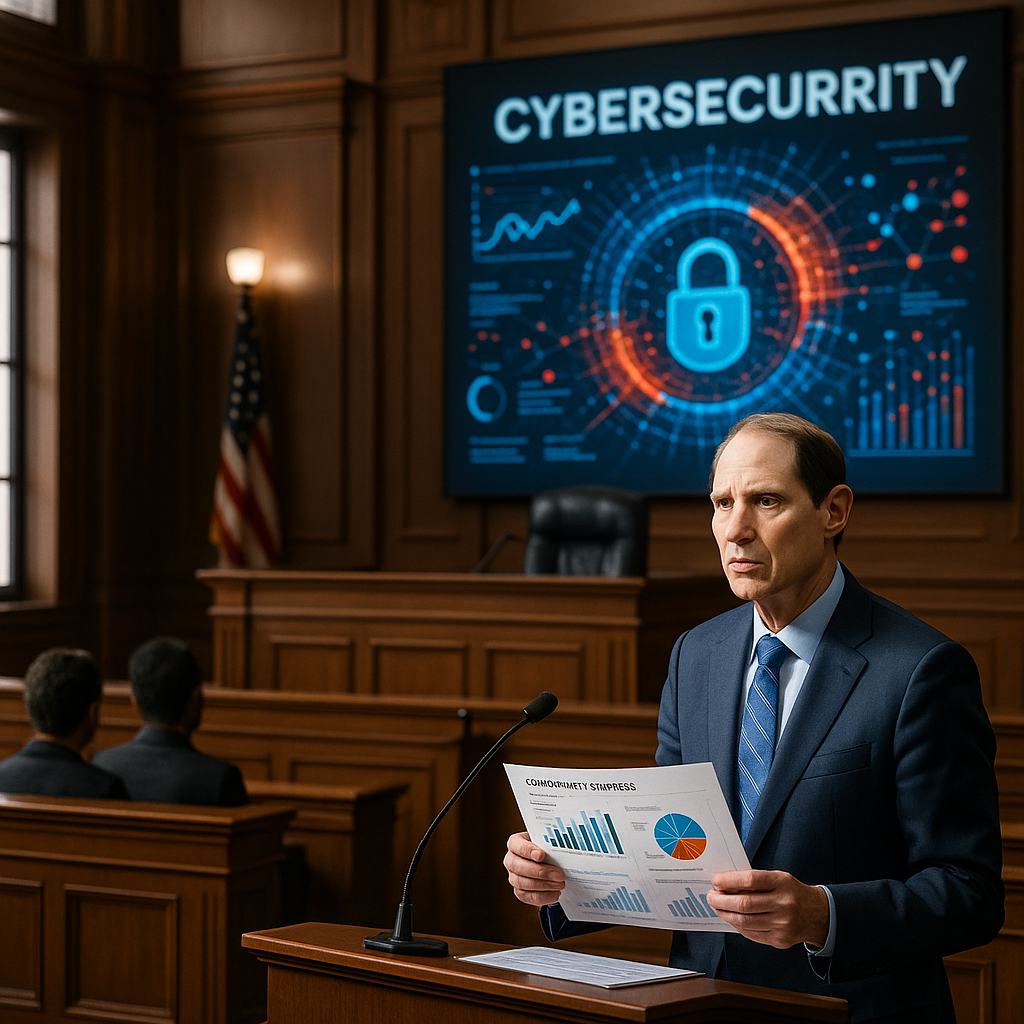
Senator Wyden Demands Overhaul of Federal Court Cybersecurity Standards
Summary:
- Senator Ron Wyden addresses critical cybersecurity vulnerabilities within the federal courts.
- The senator’s letter points to lapses in oversight by the Administrative Office of the U.S. Courts (AO) and the Department of Justice (DOJ).
- Concerns center around the security of the Case Management/Electronic Case Files (CM/ECF) system.
- Possible nationwide implications as sensitive court documents may be at risk.
- Urgent call for a detailed review and overhaul of existing protocols.
The cybersecurity landscape is once again thrust into the spotlight, this time with significant implications for the American judicial system. A letter penned by Senator Ron Wyden demands a comprehensive review and revamp of cybersecurity measures within federal courts, marking a pivotal moment in the quest to safeguard sensitive judicial data.
A Systemic Threat
Senator Wyden’s letter draws attention to serious cybersecurity flaws that threaten the integrity of legal proceedings across the United States. His focus is the Case Management/Electronic Case Files (CM/ECF) system, a critical tool used for managing electronic documents. Alarmingly, this system may be vulnerable to breaches that could compromise sensitive data—a concern that some experts suggest might shake the foundation of judicial cybersecurity.
Wyden argues that the federal courts’ cybersecurity measures are woefully inadequate, citing what he describes as “incompetence and negligence” on the part of responsible agencies. The failure to protect court records poses a tangible risk to the privacy of individuals and could potentially jeopardize the fair administration of justice.
Inaction at the Highest Levels
The senator’s criticism centers on the alleged lapses from the Administrative Office of the U.S. Courts and the Department of Justice. Wyden identifies a troubling void in leadership and oversight, suggesting that these bodies have failed to implement necessary security protocols and technologies.
One point of contention is the lack of proactive measures to guard against cybersecurity threats. Wyden’s letter hints at a cultural inertia within these agencies, where innovation is stifled, and cybersecurity risks are inadequately addressed. The absence of a strong security posture not only endangers federal court data but, according to Wyden, is a detriment to national security.
The Need for Transparency and Accountability
In his demand for reform, Senator Wyden calls for transparency and increased accountability. His letter urges a thorough investigation and stresses the need for independent oversight to ensure that any revamp of cybersecurity standards is robust and effective.
Wyden’s call for action is not just about technology but also about restoring trust. An overhaul of the federal court’s cybersecurity practices is seen as essential to reassure the public that their data, and the judicial processes that rely on it, are secure from cyber threats.
Looking Forward: Reimagining Cybersecurity Protocols
The letter has already sparked discussions among cybersecurity professionals and policymakers about what a successful overhaul might entail. Experts argue for modernized security architectures, such as implementing zero trust frameworks and enhancing encryption standards. There is also a call for continuous monitoring and real-time threat detection to swiftly identify and mitigate potential breaches.
Additionally, fostering a culture of cybersecurity awareness within federal courts is critical. Regular training and updates for judicial staff on emerging threats can fortify defenses and ensure that security protocols evolve with the changing cyber landscape.
Conclusion
Senator Ron Wyden’s letter serves as a clarion call for an immediate and profound change in how the federal judiciary protects its digital assets. As lawmakers, officials, and security experts contemplate the path forward, the potential reforms hold promise for building a more resilient federal court system. By addressing these pressing cybersecurity challenges, the judiciary can uphold its duty to both the American public and the principles of justice, ensuring confidence and trust for future generations.
The time for action is now—ensuring our courts remain bastions of impartiality and security in an increasingly digital world is not merely a bureaucratic necessity but a democratic imperative.
Want to know how these risks apply to your business?
Get an AI Cyber Checkup and receive a practical AI-generated action plan showing what to fix first.
Get an AI Cyber Checkup
