

Summary
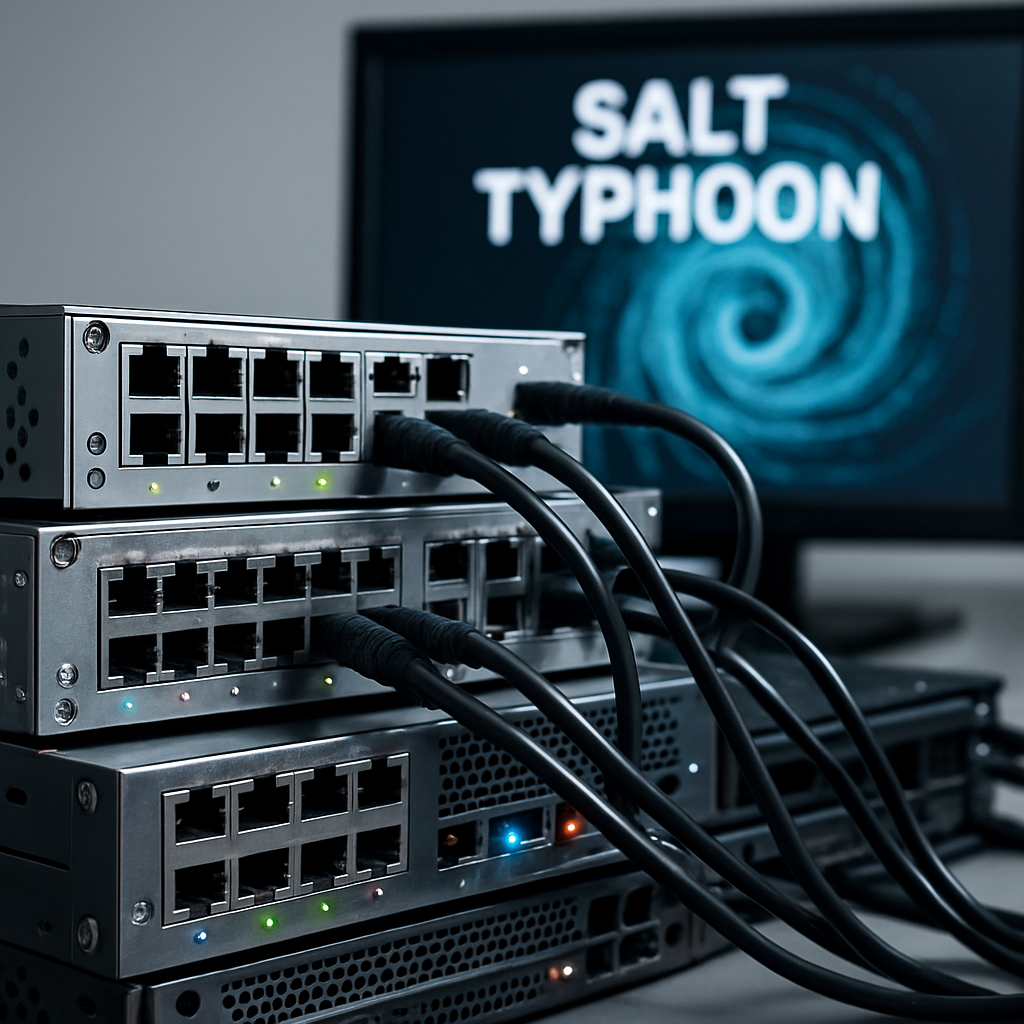
- The Cybersecurity and Infrastructure Security Agency (CISA) has published a report identifying vulnerabilities in telecommunications security, attributable to a cyber group known as Salt Typhoon.
- Salt Typhoon, also referred to as Bamboo Typhoon, is suspected of having links to Chinese state-sponsored activities.
- The report highlights the urgent need for robust security measures across the telecom industry.
- CISA’s recommendations include improved risk management strategies and collaboration between the public and private sectors.
The Growing Threat Landscape: CISA’s Warning
The Cybersecurity and Infrastructure Security Agency (CISA) has taken a significant step by releasing a comprehensive report that identifies current weaknesses in the telecommunications sector. The findings highlight vulnerabilities that are being actively exploited by an APT group known as Salt Typhoon. Amidst a rapidly evolving cyber threat landscape, this report has triggered alarm bells across industry circles.
Who is Salt Typhoon?
Salt Typhoon, also known as Bamboo Typhoon, is no stranger to cybersecurity experts. This group has been associated with cyber activities believed to be sponsored by the Chinese state. Their operations, which traditionally focused on various sectors, have now extended their reach into telecommunications. This trend raises concerns about potential implications for national security and business operations globally.
The Implications of Salt Typhoon’s Activities
Salt Typhoon’s targeting of telecommunications networks endangers not only strategic communications but also the integrity of data transmission systems. The group’s activities spotlight a critical area of concern that has far-reaching ramifications. These actions inadvertently cast a shadow over international economic stability and trust in telecom infrastructures.
Vulnerabilities Unearthed
The vulnerabilities identified by CISA in the telecom sector are a call to action for governments and industry leaders alike. The report outlines critical weaknesses that include unpatched software, outdated protocols, and inadequate defense mechanisms. These flaws serve as potential gateways for malicious actors seeking unauthorized access to sensitive networks.
Understanding the Risks
The risks that Salt Typhoon represents are multifaceted. The exploitation of telecom vulnerabilities could lead to severe breaches, including data theft, espionage, and service disruptions. With telecommunications underpinning essential services worldwide, any compromise could have cascading effects, impacting everything from emergency communications to financial transactions.
Recommendations for the Telecom Industry
CISA’s report is not just a grim diagnosis but also a prescription for improvement. It underscores the importance of enhancing risk management frameworks and fortifying network defenses. Adopting cutting-edge technologies, regular vulnerability assessments, and fostering a culture of cybersecurity awareness among telecom providers are crucial steps recommended by CISA.
Collaborative Efforts
One of the key takeaways from the report is the emphasis on collaboration between the public and private sectors. CISA strongly advocates for information sharing and joint initiatives to develop innovative solutions that can mitigate emerging threats. This collaboration is instrumental in building resilience and protecting global communications infrastructure.
Conclusion: A Call to Action
In the face of escalating cyber threats, CISA’s report serves as both a revelation and a call to action. It is crucial for telecom companies, governments, and cybersecurity professionals to heed this warning. By adopting proactive measures and fostering strong partnerships, the industry can defend against current and future threats posed by groups like Salt Typhoon. As the digital landscape continues to evolve, unwavering vigilance and innovation will be the cornerstones of robust telecom security.
Want to know how these risks apply to your business?
Get an AI Cyber Checkup and receive a practical AI-generated action plan showing what to fix first.
Get an AI Cyber Checkup
