Thursday, April 16, 2026
Home Blog Page 241
AI cybersecurity guidance for small businesses

Know where your business is exposed, what matters most, and what to fix first.

CyberExperts gives small businesses AI-generated cyber checkups, practical recommendations, and recurring cyber hygiene monitoring — without enterprise consulting complexity.

AI Cyber CheckupIdentify likely weak points and get a prioritized action plan.
Recurring MonitoringStay current with updated cyber hygiene guidance over time.
Built for SMBsPractical recommendations for real-world small business setups.

Most small businesses know cybersecurity matters. Very few know what to fix first.

CyberExperts turns cybersecurity confusion into a practical action plan. Instead of vague fear, generic checklists, or expensive consulting, you get AI-generated guidance focused on likely risks, weak spots, and the most important next steps.

How it works

1. Tell us about your businessShare your team size, tools, email setup, device practices, and current security habits.
2. CyberExperts analyzes your setupOur AI reviews likely weak points, common risks, and practical cyber hygiene gaps.
3. Get a prioritized action planReceive clear next steps in plain English — focused on what matters most.
4. Stay current with ongoing monitoringAdd recurring cyber hygiene monitoring if you want updated guidance over time.

Start with a checkup. Continue with monitoring.

AI Small Business Cyber Checkup

A one-time AI-generated assessment that identifies likely weaknesses, highlights the biggest issues, and gives you a practical action plan.

  • Likely weak points and avoidable risks
  • Top-priority recommendations
  • Plain-English next steps

AI Cyber Hygiene Monitor

A recurring cyber hygiene subscription that updates your recommendations, flags likely weak spots, and helps you stay current over time.

  • Recurring reassessment
  • Updated recommendations
  • Refreshed priorities over time

What CyberExperts does — and does not do

Done by AICyberExperts is built as an AI-delivered cybersecurity guidance product.
For small businessesDesigned for operators who want practical guidance without enterprise complexity.
Not a magic guaranteeIt helps identify likely risks and prioritize what to fix first.
Recurring option availableContinue with ongoing Cyber Hygiene Monitor updates over time.

See your biggest cybersecurity gaps in plain English.

Start with an AI Cyber Checkup and get a practical view of what to fix first.

Probing 5G Network Security: Insights and Implications

0

As the world strides towards the era of hyper-connectivity, 5G network security—the successor of 4G cellular technology—promises unprecedented speed, reliability, and capacities. Unlocking enhanced machine communication capabilities it is poised to be a linchpin in the unfoldment of the Internet of Things (IoT), autonomous vehicles, and smart cities. However, in the wake of its prodigious potential, there are critical security considerations. Hence, we delve deep into the makeup of 5G networks, underlining what sets them apart from their predecessors and probe into the security challenges that have arisen due to these very advancements. Furthermore, this discourse highlights how cutting-edge technology comes to the rescue, bridging the security gaps, and showcases the trends that are expected to shape the 5G network security landscape in the coming years.

Understanding 5G

Unmasking the Unique Features of 5G Network Technology

As we hover on the precipice of the fifth generation of mobile network technology, aptly named 5G, anticipation continues to swell in the spheres of technology and communication. Promising to revolutionize our digital, technological landscape, 5G boasts distinct features that set it apart from its predecessors. Let’s unravel the unique attributes that frame this formidable wave in the digital revolution.

Unprecedented Speed and Latency

Right off the bat, 5G technology is vouched for its blazing-fast speeds. A substantial leap from the 4G LTE network, 5G is projected to offer 10 to 100 times faster connections. Content influx that would take minutes to download on a 4G LTE network could take mere seconds with 5G. What’s more, 5G significantly slashes latency, bringing it down to almost real-time levels. This translates to seamless, almost instantaneous data transfer that will not only enhance user experience but also revolutionize fields like autonomous driving, precision robotics, and telemedicine.

Network Slicing

A unique feature of 5G technology is network slicing. This is the ability to slice a single physical network into multiple virtual networks tailored for specific uses or business models. This feature isn’t just about data speed or capacity but making the network more flexible and adaptable to support a wide range of applications and services.

Enhanced Capacity

5G technology is architectured to significantly improve network capacity, promising a sea change in the data congestion faced during heavy usage situations. It paves the way for more devices to connect and communicate simultaneously, which makes it a linchpin for unlocking the full potential of IoT (Internet of Things).

Robust Broadband Connectivity

Take a minute to imagine seamless broadband-equivalent network coverage regardless of location — urban jungles, remote landscapes, high-speed vehicles; you name it. The focal vision for 5G is to offer flawless broadband connectivity and hand over previously unimaginable power to mobile users.

Massive IoT Densification

5G technology paves the way for expanded IoT use, allowing millions of devices per square mile to connect, enabling a host of advanced applications beyond our imagination. From connected vehicles, smart cities, and telehealth to Industry 4.0, the densification potential of 5G circumvents issues of overloading and underutilization presented by previous generations.

In conclusion, the rise of 5G represents a quantum leap in network technology, touting superior speed, ultra-low latency, enhanced capacity, network slicing, and unprecedented IoT densification. As this advanced network rolls out in the coming years, we are set to witness technology’s compelling transition to an era of seamless connectivity and enhanced productivity. Because that’s what 5G is all about –enabling us to live smarter, work more efficiently, and unleash the full potential of the digital world.

An image representing the rise of 5G network security, depicting fast connections and futuristic applications.

Security Challenges

Unveiling the Security Threats Encircling 5G Network Technology

5G network technology surges ahead with game-changing benefits. As the torch Lightbearer revolutionizes connectivity, its golden promises of high-speed communication, network slicing, and a massive boost in IoT densification are undeniably attractive. However, with great power comes great responsibility. In the case of 5G, this revolves around confronting and mitigating the looming security threats it faces.

Firstly, the nationwide implementation of 5G networks exposes them to an increased risk of cyberattacks. With 5G’s tendency to connect more devices through its massive IoT densification, the attack surface broadens significantly, opening doors to various potential security breaches.

A second threat lies in the physical security of 5G infrastructure. The multitude of smaller, lightweight antennas needed for a full 5G network increases the risk of physical damages, thefts, and manipulations. These physical security challenges may impact network stability and reliability if not given due consideration.

Moreover, the advanced software-defined networking (SDN) and network functions virtualization (NFV) central to 5G expose it to new vulnerabilities. In this sphere, the threat comes from the inability to sequester applications and data physically. This grants unfettered access, overshadowing the promises of seamless connectivity and robust broadband functionality that 5G brings.

One particularly disconcerting actor is the deployment of the supply chain. As 5G components are obtained from global vendors, potential threats could lurk behind any piece of technology, creating backdoors through malicious hardware or software. Given the intricate and global nature of these supply chains, ascertaining the total absence of malicious implants is practically impossible.

The network slicing feature, while revolutionary, introduces its own set of challenges. If a specific slice gets compromised, cybersecurity risks can significantly escalate. Data from that slice could be misappropriated or, even worse, used as a gateway to infiltrate and compromise other slices.

Finally, there is the threat of service disruption. In this interconnected IoT-driven world where numerous services rely heavily on the network, attacks resulting in the disruption of these 5G-dependent services could have potentially catastrophic—and costly—consequences.

In the face of these risks, it’s clear the 5G revolution isn’t without its potential pitfalls. There’s an urgent need for cybersecurity measures to evolve in pace with this blisteringly fast technology to ensure the bright promises of tomorrow don’t turn into the cybersecurity nightmares of today. The sooner these security issues are addressed and mitigated, the sooner 5G can revolutionize the world as we know it without veiling in fears of security breaches.

Illustration of the different security threats surrounding 5G network technology

Security Solutions for 5G

The advent of 5G networks introduces various security concerns that need immediate attention and resolution. Here are some leading-edge solutions that proactively address these vulnerabilities.

Artificial Intelligence (AI) is a powerful tool for combatting the increased risk of cyberattacks. AI security systems are capable of learning and adapting to patterns of network behavior, allowing for the identification and mitigation of threats in real-time. Plus, AI can automate the process of threat detection, which significantly reduces the likelihood of cyberattacks evading notice.

To tackle physical security challenges, leading technology companies have turned to edge computing. With edge computing, data is processed closer to its source, reducing the need for transmission across long distances. This technology not only mitigates the risk of physical security breaches but also results in faster data processing speeds, further enhancing the function of 5G networks.

Addressing vulnerabilities in software-defined networking (SDN) and network functions virtualization (NFV) starts with the implementation of rigorous testing and validation regimes. The focus should be on ‘security by design’, whereby security is integrated into every step of the development and deployment process. The use of sandboxes to isolate potentially risky processes or applications from the rest of the network forms an additional layer of protection.

As for supply chain threats, blockchain technology offers a promising solution. Blockchain provides a level of transparency and verification that has the potential to reduce cyber attacks originating from the supply chain drastically. With the help of their decentralized and immutable nature, blockchains enable secure tracking of all transactions and interactions, making it difficult for unauthorized changes to go unnoticed.

The issue of network slicing, where a single network is divided into multiple unique, virtual networks, can be mitigated through a systematic design and management approach. Leveraging network function virtualization, network slices can be isolated and monitored individually, which can prevent a security breach in one slice from affecting the others.

Last but not least, to deter service disruption, fail-safe mechanisms and redundancies need to be integrated into 5G networks. This would ensure that even if an element of the network fails, traffic can be rerouted, and the overall integrity of the network can be maintained.

In conclusion, while the challenges are substantial, there are robust solutions available to address the security threats posed by 5G networks. By prioritizing security measures and harnessing cutting-edge technology, the future of 5G can become as promising as the speed it offers. It’s always important to remember that no technology is perfect at birth, but with due diligence and evolvement, its potential can be fully realized.

An image of a lock with a chain surrounding it, symbolizing the security threats posed by 5G networks.

Future Trends and Predictions

A Future of 5G: Trends and Predictions Concerning 5G Security

In the epoch of elevated connectivity, the rapid evolution of 5G technology marks the true realization of the Internet of Things (IoT) revolution. This unprecedented enabler for extraordinary data rates, ultra-low latency, and reliable connections is not without its own set of significant challenges, particularly in the area of security. Let’s examine the anticipated trends and predictions concerning 5G security that technology enthusiasts will be watching in the near future.

Expect greater scrutiny in legislative and regulatory environments for 5G security, given the deep-rooted vulnerabilities it presents. Governments worldwide are committing billions of dollars to research, development, and implementation of strategies like Zero trust – a drastic departure from the conventional network perimeter model – designed to counterbalance 5G’s inherently vast attack surface.

AI and Machine Learning (ML) are already on the verge of being commonplace, with leading organizations strategizing for strengthened AI-based intrusion detection systems. Moving forward, real-time AI and ML systems will become integral to safeguarding the 5G secure landscape. Experts postulate an upsurge in ML-adaptable malware exploiting lax security protocols, mirroring serious efforts in AI-powered cyber defense.

Ever heard of Quantum Cryptography? Touted as the next big thing, it’s designed to secure against ubiquitous cryptographic attacks and is increasingly deemed a necessity with 5G’s exposure. While current encryption keys can be cracked given powerful enough technology, keys encrypted using quantum cryptography are believed to be uncrackable even with future tech developments.

Next, Hyperautomation – a tech term that’s already buzzing – would bind 5G security and operational efficiencies together. The utilization of a mix of technologies like AI, ML, and Robotic Process Automation (RPA), revolves around the notion of automating anything that can be automated, ultimately playing a pivotal role in protecting 5G from security risks.

Intriguingly, Confidential Computing is sparking interest as a new approach to cybersecurity. It isolates sensitive data in a protected CPU enclave during processing, eliminating possible data exposure to other parts of the system. This technique could become critical in safeguarding information passed through 5G networks.

Resistance is futile – the next evolution of networks is here. Embrace it. As enlightening as these advancements are, they underline the principle that security will always be a prime concern whenever new technology emerges. It’s up to every technology enthusiast, innovator, and leader to commit to securing our connected tomorrow. Buckle up for an exhilarating journey to the intelligent, autonomous world spun around 5G – a reality that lies just around the corner.

Technological evolution is an unending journey, and as we chart the territories of the future, the vexing complexities only grow. Yet, it is through these perplexities that we usher in groundbreaking solutions. 5G network, with its allure of speed, capacity, and machine communication, promises a revolution, but not without its share of security challenges. Amidst this conundrum, cutting-edge technologies such as artificial intelligence, sophisticated encryption, and edge computing provide the much-needed bulwark. As we gather knowledge of how the future might unfold, with the burgeoning role of AI for threat detection and advancements in encryption techniques, it is essential to understand that the pursuit of security is continuous, but we are better prepared than ever to handle the threats, ensuring that the dawn of the 5G era is secure and benefits all.

Next Generation Antiviruses: Unveiling the Future of Cybersecurity

Enter the realm of next generation antiviruses (NGAV) technology: a burgeoning field propelled by advancements such as Artificial Intelligence, machine learning, and cloud computing. This essay ventures into the intricacies of these advanced tools, which are highly effective in shielding against modern malware, including ransomware, phishing, and advanced persistent threats. Furthermore, it underlines the crucial difference between NGAVs and traditional antivirus solutions, illuminating why the former might just be the future of cybersecurity.

Understanding Next Generation Antiviruses

Exploring the Concept of Next-Generation Antivirus: What Sets It Apart?

Imagine living in a digital landscape where threats have evolved over time, becoming smarter, sleeker, and savvier. Already a grim reality, this digital landscape represents the precarious domain in which modern technology operates. Viruses, malware, ransomware, and an assortment of other vile digital entities are a menace themselves, but what about the sophisticated strategies each new generation brings? The classic antivirus software, with its signature-based detection and traditional heuristics, struggles to keep pace with this digital arms race. Enter the next-generation antivirus (NGAV), a solution that promises not just to keep up, but also to leap ahead.

Defining Next-Generation Antivirus

So, what defines a next-generation antivirus? Information in, actionable insights out, right? While traditional antivirus solutions rely on identifying known virus signatures, NGAVs navigate the cyber threatscape more proactively. By leveraging machine learning, artificial intelligence (AI), predictive analytics, and advanced heuristics, NGAVs can anticipate, identify, and neutralize threats before they even have a chance to wreak havoc.

A Swift Look at Key Aspects

Four key aspects broadly typify NGAVs. Firstly, they operate beyond the signature. Through a combination of machine learning and AI, NGAVs analyze the attributes and behaviors of potentially harmful files or programs rather than just working off known malware signatures. This means even unknown threats can be detected, almost making traditional updates unnecessary.

Secondly, they migrate from reactively blocking to proactively preventing threats. NGAVs can isolate malware in sophisticated ways, preventing it from impacting operations or spreading across networks. Preventive tactics include the automatic quarantining of malicious software until it can be analyzed – a far cry from traditional AVs that let the dangerous payload drop, only to react once havoc is wreaked.

Thirdly, NGAVs offer endpoint detection and response (EDR), providing additional layers of security investigations and proactive threat hunting. This implies using a combination of historical and real-time data analytics to detect even the most well-disguised security threats, strengthening the overall cybersecurity portfolio.

Lastly, they boast a cloud-based approach. NGAVs leverage the power of the cloud for real-time data analysis on a grand scale, adding speed and agility to their repertoire. With this, security concerns are offloaded to powerful remote servers, reducing reliance on the system’s local resources and potentially enhancing overall performance.

The Rise Of Animation

Artificial intelligence and machine learning are more than just buzzwords tossed around in tech circles when dissected NGAV. They form the very backbone of this advanced defense solution. AI and machine learning algorithms enable NGAVs to adapt, learn, predict, and react to ever-evolving threats. In effect, they have turned antivirus software from a static application into an animated entity that can evolve with the threat landscape.

Wrap Up

Transcending linear defense mechanisms, next-generation antivirus software has catapulted cybersecurity into a proactive arena. With ongoing developments, NGAVs promise a future where malware might just become a relic of the past. It is no longer about merely detecting and removing threats; instead, it’s about predicting and nullifying threats before they can even muster strength. With NGAVs, security is not just an afterthought, it’s the very essence of a strategy in defending the digital realm. It truly reflects the dawn of an innovative era in tech-based problem-solving.

An image depicting the concept of Next generation antiviruses

The Technology Behind Next Generation Antiviruses

Diving into the Tech: Unraveling the workings of Next-Generation Antivirus

Cracking open the hood of next-generation antivirus, or NGAV, reveals a wealth of cutting-edge technologies recalibrating the battle against malicious software. Let’s skip the small talk and strike straight into the nuts and bolts that power these sophisticated defense mechanisms.

First off, the central engineer on the clock here is Machine Learning. This empowering technology provides the core ability of a system to learn and improve from its own experiences. Being able to self-evolve, the antivirus becomes virtually immune to repetitive threats while also gaining a sharper edge in countering new emerging threats.

Artificial Intelligence (AI) is another critical power player on the team. By pouring intelligence into the cybersecurity monitor, AI gives NGAV the incredible ability to think, decide, and act on its own. This artificial brain is a candid game changer, enabling the antivirus to weave thunderous responses to unknown threats, flipping conventional security measures on their heads.

In essence, the technology behind machine learning and AI deconstructs the malware DNA, studying every iota from its behavior to its impact, even down to the slightest attribute change that could trigger alarm bells. Utilizing this information, the system further hones its preventive measures and minimizes the fallout when threats occur.

An often-overlooked aspect of NGAV is sandboxing, a secure, isolated environment where potential threats are AI-analyzed without causing any real harm. Suspect files are opened and executed inside this virtual environment, effectively quarantining any potential virus and preventing it from spreading throughout the system.

The cloud platform is also a crucial aspect of next-gen antivirus technology, allowing for real-time updates and global threat data to be immediately distributed and utilized by the antivirus software. Accessing data from other network endpoints around the world allows for faster and more efficient threat detection and response, essentially crowd-sourcing cybersecurity data to give your systems a broadened scope of protection.

Finally, advanced behavior analytics offered by next-generation antivirus solutions are inherently proactive security measures. Rather than waiting for a malware attack to happen and then pushing out patches or updates retrospectively, behavior analytics focuses on preemptive threat detection, notifying users of possible vulnerabilities before a cyberattack can begin.

Depth and breadth of analysis, time efficiency, and memory-light processing are perks that come as special bonuses with the adoption of these path-breaking technologies. The blueprint of NGAV is not just about defending systems but also about getting smarter with every enemy confrontation. This undeniable capacity to adapt and evolve overshadows conventional antivirus software, shaping the arc of cybersecurity’s future. As we ride this wave, it’s exciting to think about what new possibilities lie just over the horizon.

An image illustrating the advanced technology behind Next-Generation Antivirus, showcasing the integration of machine learning, AI, sandboxing, and cloud platform for enhanced cybersecurity.

Comparison with Traditional Antiviruses

Shifting from the traditional paradigms of virus protection methods, the next-generation antivirus solutions are pushing the boundaries of tech innovation. Harnessing the power of modern techniques like machine learning, artificial intelligence, and cloud-based threat detection, they are fundamentally reshaping cybersecurity. However, as is customary with any innovative technology, there are both advantages and drawbacks to consider.

On one hand, compared to traditional antivirus software, next-generation solutions excel in their proactive stance. Relying on advanced behavior analytics, they scrutinize the abnormalities in system performance and respond accordingly instead of waiting for a threat signature to be identified. This proactive approach is critical, especially considering that modern threats are increasingly complex and elusive. The traditional model of waiting for a virus to strike first seems rather retrograde in the face of advanced persistent threats.

The utilization of cloud technology is another distinct advantage of next-gen antiviruses. Cloud platforms provide a centralized system for real-time updates and sharing of global threat data. This wide network of threat data-sharing significantly strengthens the reactive and proactive abilities of these solutions, enabling them to detect even zero-day vulnerabilities with impressive accuracy.

More so, the sandboxing feature has revolutionized how threats are analyzed and mitigated. Essentially, it places suspicious files in an isolated, virtual environment for safe analysis. This protective mechanism effectively prevents potential malware from infiltrating the main computer system while its behavior is monitored and assessed.

Despite these advantages, some critical limitations continue to exist. Firstly, next-gen antivirus solutions lean heavily on AI and machine learning. While these technologies are impressive, they are not foolproof. For instance, they can sometimes flag false positives, leading to potential disruption when benign activities are mistaken for threats.

Moreover, these advanced features demand significant computational power. They could potentially slow down system performance, especially in older equipment. The high computational demand also translates into more energy consumption, which could be a concern for environmentally conscious users.

Lastl<y, next-gen antivirus solutions are generally more costly than their traditional counterparts, owing to the advanced technologies incorporated in them. For many small businesses or individual users, these solutions may simply be financially out of reach.

Regardless of these drawbacks, the advancements in next-gen antivirus solutions cannot be sidelined. As we head into an era marked by increasingly sophisticated cyber threats, cybersecurity strategies should prioritize proactive and advanced solutions. Traditional antivirus solutions may continue to play their part, but the adoption of next-generation antivirus tools presents a promising future for cybersecurity.

Market Leaders in Next Generation Antivirus Solutions

In the current avant-garde of next-generation antivirus development, several standout organizations are radically shifting the cybersecurity landscape. Many of these are not the conventional, household-name cybersecurity firms but rather are unexpected fresh players making considerable strides and bringing invigorating perspectives into this arena.

One such company is SentinelOne. With its AI-powered autonomous endpoint protection, SentinelOne moves beyond simple pattern recognition to predict behavior chains that allow effective, even real-time, responses to threats. Instead of reactionary measures, SentinelOne employs active threat hunting and community immunity through cloud intelligence. Its proactive approach outmaneuvers even previously unknown threats, refashioning future cybersecurity.

Deep Instinct is another newcomer taking strides in next-gen antivirus technology. Sparking a new approach, Deep Instinct utilizes its proprietary deep learning framework, culminating in an exceptionally accurate, low false-positive rate. This deep learning technique excels by comprehending threat data on a granular level, thereby diagnosing and mitigating threats with unprecedented speed and accuracy.

Cylance, a subsidiary of BlackBerry, veers away from reactionary methods, leveraging artificial intelligence and machine learning to predict and prevent threats before they can cause any significant damage. Its unique strain of pre-execution attack prevention technology accelerates threat diagnosis and resolution significantly, ensuring an in-built robust defense mechanism.

Another vital player, CrowdStrike, has revolutionized the antivirus industry with its cloud-native endpoint protection platform. The CrowdStrike Intelligence Team unwinds and analyzes comprehensive attack patterns, pinpointing and neutralizing malicious intrusions and behaviors at breakneck speed. Their real-time, cloud-powered Threat Graph system permits a multitiered, globally looped defense operation.

Lastly, Cybereason, with its unique, data-centric ‘Defender-Navigator’ model, offers military-grade protection, identifying latent threats that conventional methods overlook. This approach mirrors the sophistication of the attackers, focusing on the holistic understanding of an attack’s lifecycle rather than immediate mitigation.

These cutting-edge organizations have trounced the limitations of traditional antivirus software, raising the cybersecurity ante to a new technological zenith. However, the road to widespread adoption of these tools remains bumpy, with the overshadowing concern of false positives, amplified computational power consumption, and, subsequently, heightened costs. Yet, these challenges are not insurmountable. As our dependence on technology intensifies, investing in future-ready, proactive cybersecurity measures becomes not a choice but an impending necessity.

In conclusion, SentinelOne, Deep Instinct, Cylance, CrowdStrike, and Cybereason are paving the way for an innovative shift toward next-generation antivirus solutions. The cybersecurity arena is sure to witness groundbreaking advancements in the coming years as these players further develop and refine their offerings. The race is certainly underway, holding the promise of an intriguing and secure technological future. As an enthusiast of all things tech, this space is one to watch closely.

Image illustrating the concept of next-generation antivirus technology

Future Directions and Challenges

In light of these developments, it becomes crucial to explore what the future may hold for this cybersecurity space. Several trends and challenges are worthy of attention, shaping the landscape of next-generation antivirus.

One trend to watch out for is the integration of more AI and machine learning capabilities, going far beyond just detecting malware. Detecting anomalies within the system that point to hitherto unknown security threats will become an integral aspect. Alongside this, we can anticipate the development of anticipatory systems that predict and counter incoming attacks before they materialize. The use of predictive analytics will play a crucial role in this regard.

Equally prominent is the increasing focus on data privacy. With data breaches becoming all too common, next-generation antiviruses need to provide robust, surefire protection mechanisms to secure sensitive data. This objective leads us to the realm of zero-trust architectures, another fascinating trend that is gaining traction.

The shift towards zero trust architectures signifies a departure from the conventional approach of allowing access within the network once a party has been authenticated. Zero trust mandates continuous authentication and validation, eliminating the inherent assumption of trust. The integration of next-generation antivirus with zero-trust architectures will provide an impenetrable defense mechanism, which will be a colossal boon for cybersecurity.

However, these advancements also come with a set of challenges. A significant challenge is the need for higher computational power and energy consumption due to the intensive nature of these operations. Strengthening energy-efficient algorithms and sustainable cybersecurity will subsequently become pivotal.

Another challenge is the potential for a higher number of false positives, as these systems become hyper-sensitive to even minor anomalies. Reducing the rate of false positives without compromising on security will be a fine balancing act.

Exploring cost-effective avenues is another challenge. Conventional antivirus systems are not resource-intensive and, hence tend to be more affordable. With the advent of these advanced features, next-generation antivirus might become associated with a higher cost, impeding rapid and widespread adoption.

In conclusion,

the future of next-generation antivirus seems to hold a wealth of possibilities characterized by cutting-edge functionalities such as machine learning, zero-trust architectures, and predictive analytics. As long as we overcome the challenges of computational power requirements, false positives, and costs, next-generation antivirus will continue to be at the forefront of cybersecurity, revolutionizing the way we defend against digital threats. The excitement in unraveling what the future holds solely adds to the thrill of this technological evolution. So, for tech enthusiasts, the message is clear – the next-generation antivirus space is one to watch.

Illustration of a high-tech shield protecting a network from digital threats

The rapid progression in cyber attacks and threats compels cybersecurity to be ever-evolving, and next-generation antivirus solutions form an integral part of this advancement. These tools, armed with AI, machine learning, and cloud computing, offer an enhanced level of security, can predict threats before they strike, and counteract them effectively. Despite some challenges they currently face, such as data privacy and integration issues, their value in the cybersecurity landscape remains unmatched. As the NGAV market continues to burgeon, so too makes the promise of a more secure digital tomorrow. Like any technology, NGAV is not without its challenges, but exciting innovations and enhancements continue to make it a compelling choice for businesses and individuals alike.

Navigating Cybersecurity Management: A Tech Enthusiast’s Insight

0

Cybersecurity management is a key element of robust business strategy. Our world is interconnected through vast, complex networks, making everyone an easy target for cyber threats. These hazards not only impact large-scale corporations and governments, but they also equally exist for small businesses and individuals. Hence, comprehending the need and working for Cyber Threat Intelligence (CTI), enforcing a proactive approach toward cybersecurity, and understanding the role of advanced technology like AI and Automation in managing cybersecurity becomes essential. This discourse aims to provide an in-depth overview of each of these factors, highlighting their importance, work, and impacts on the global community.

Understanding Cyber Threat Intelligence

Brimming with unending enthusiasm for the latest tech trends, let’s straightaway delve into a topic that’s taking the world of cybersecurity by storm – Cyber Threat Intelligence. This new school approach to cybersecurity management is even more relevant in today’s age, where the digital ecosystem is vulnerable to rapidly evolving threats.

Here’s a quick look on this crucial field- outlining what it is, why it’s crucial, and how it can revolutionize cybersecurity management.

So, what is Cyber Threat Intelligence (CTI)?

In essence, CTI is the process of collecting, analyzing, and interpreting information about possible security threats. The goal of this process is to arm organizations with actionable insights on potential risks and attacks, thus contributing to a proactive security strategy instead of a reactive one. It involves cross-referencing a host of data sources and security events with context, identifying patterns, risk classifications, and potential targets, and using the collated information to create a comprehensive risk landscape.

Why is this discipline growing rapidly among cyber enthusiasts and security experts?

Because of its capability to offer multiple layers of cybersecurity benefits, for starters, it can significantly improve decision-making process. Knowledge about possible threats can provide organizations with in-depth insight into potential risks, enabling them to evaluate and tweak security strategies effectively and efficiently. It’s all about foresight – understanding what could occur in the future and planning appropriately.

Additionally, the incisiveness of CTI can potentially help save millions in financial losses and protect an organization’s reputation. By gaining an understanding of the cyber threat landscape, one can properly allocate resources, employ preventive controls, and enhance overall security posture, leading to cost savings. Furthermore, the knowledge about impending risk to certain high-value targets within an organization can significantly help in prioritizing remediation efforts.

Another key benefit of CTI is the boost it gives to incident response. An incident often doesn’t come in isolation – by understanding the nature and pattern of certain cyber threats; incident responders can predict future attacks and thus enhance their preventive actions.

Now, how can learning about Cyber Threat Intelligence benefit your cybersecurity management practices?

The biggest takeaway is the transition from defense to offense. By knowing more about the threat actors, the types of vulnerabilities they exploit, their motivations, and their strategies, organizations can proactively anticipate attacks rather than merely reacting to them. This proactive and strategic approach maximizes the effectiveness of existing security controls and bolsters the organization’s overall cyber defense.

Furthermore, CTI can immensely enhance threat-hunting practices. By incorporating CTI into their daily operations, security teams can actively search for advanced persistent threats within their environment, aiding in early detection and subsequent mitigation.

Cyber Threat Intelligence is like a valuable chess technique for cyber enthusiasts or organizations – it equips them with the required knowledge to foresee the opponent’s move, enabling them to strategize and plan their defense well in advance. Therefore, adopting CTI as part of a holistic cybersecurity strategy is not just recommended; it’s become crucial in this high-stake digital landscape. So, when are you moving on to Cyber Threat Intelligence?

An image featuring a padlock and a shield, representing cybersecurity management

Adopting a Proactive cybersecurity approach

Leveling Up Cybersecurity Management: The Proactive Approach

Over the years, dramatic technological advancement has allowed us to be interconnected in ways that were once only imaginable. Though it’s built bridges across borders, it has also opened a pandora’s box of cyber threats. While Cyber Threat Intelligence (CTI) has provided valuable benefits in mitigating these issues, it’s high time we shift gears from a passive to a proactive approach in our cybersecurity strategies.

What can organizations secure from this proactive tactic in cybersecurity management? Let’s dive right into it.

First off, a proactive approach equips us with an anticipatory defense mechanism. As the popular saying goes, “Prevention is better than cure,” – being proactive places your organization one step ahead by identifying potential threats before they escalate into full-blown attacks. This could essentially mean the difference between cybersecurity excellence and disaster.

Aside from being forward-looking, this strategy also fosters a culture of continuous improvement. It empowers teams to evaluate the cybersecurity landscape regularly, learn from past incidents, and make data-driven adjustments. The result? A sustained, evolving defense system that keeps pace with the ever-changing threat landscape.

Better risk management is another feather in the proactive approach’s cap. Identifying, assessing, and prioritizing risks ahead of time serve as your organization’s proactive reconnaissance routine. This not only prompts timely, calculated responses but could also prove crucial in maximizing the limited cybersecurity resources at our disposal.

By being proactive, organizations can also promote a culture of cybersecurity awareness within the company. Your employees can become your first line of defense, equipped with the right knowledge and tools to detect, prevent, and report potential cyber threats. This human-centric tactic significantly decreases the chances of human-induced errors or insider threats, reinforcing your cybersecurity framework.

On a macro level, shaping a proactive posture in cybersecurity management is not just beneficial but essential. In an era where cyber-attacks are becoming more sophisticated, reacting to threats just doesn’t cut it anymore. Companies need to anticipate and strategize, gearing up their cybersecurity practices to ward off any impending digital debacles.

Remember, in the world of cybersecurity, the best offense is a good defense. And what better defense is there than a proactive approach that anticipines threats, fosters a culture of continuous learning, enhances risk management, and immunizes your organization from the inside out? This is not just a new layer of armor but a game-changing mindset that could redefine your cybersecurity terrain.

A group of professionals discussing cybersecurity management strategies

Impact of AI and Automation on Cybersecurity Management

As we dive deeper into the realms of AI and automation, we find that these disruptive paradigms usher in a profound transformation of cybersecurity management. The integration of AI and automation into cybersecurity infrastructure ushers in a new age; an age where cyber threats are detected and eliminated even before they strike.

Machine Learning, a branch of AI, holds the capacity to learn from past incidents and change its behavior accordingly. This feature finds immense usability in cybersecurity products, as it enables systems to predict and effectively respond to potential threats. By processing vast quantities of historical data, machine learning algorithms can identify patterns, thereby bolstering the cybersecurity system with improved threat visibility.

Deep learning, another AI subset, furthers the capabilities of cybersecurity. With its ability to mimic human brain processing, it enhances anomaly detection, accurately identifying deviations from normal behavior that might indicate a cyber threat. Being a self-learning and improving system, it refines its knowledge base with every interaction, enabling it to respond more swiftly and accurately to threats over time.

The inclusion of automation is a game-changer in the cybersecurity scenario. In an ecosystem overwhelmed with data, automation provides a respite by managing routine tasks, thus freeing human resources for more complex and strategic duties. Routine threat alerts can be dealt with more swiftly, with automated responses making sure no threat goes unnoticed.

Automation also streamlines workflow optimization. Cybersecurity tasks that previously required significant human intervention can now be automated, ensuring smooth operation and stringent adherence to protocols. This radically reduces response times, potentially preventing damaging breaches.

Emerging as a true harbinger of change, AI and automation are also promoting the concept of predictive cyber defense. Historical data, real-time analysis, and predictive algorithms are combined to forecast potential threats and attacks, allowing for proactive preparation rather than reactionary defenses.

Adaptive cybersecurity is another praiseworthy milestone achieved through AI incorporation. As cyber threats evolve, an equally dynamic defender has become a necessity. AI enables cybersecurity systems to adapt, learn, and advance with every potential threat, promising a resilient and agile infrastructure well-equipped to counteract ever-advancing cyber threats.

Technology has once again affected another realm – the cybersecurity world – making it more competent, proactive, and efficient. As we continue to explore and amplify the potential benefits of AI and automation to cybersecurity, the promise of a fortified digital world appears to be an achievable goal. All we require is the willingness to adapt, the passion to innovate, and the relentless pursuit of knowledge.

Image depicting the integration of AI and automation into cybersecurity, showing a futuristic shield protecting data from cyber threats

As our society continues to become more digital and interconnected than ever before, it is clear that an understanding of cybersecurity management, including the components of Cyber Threat Intelligence, a proactive approach, and advanced technologies like AI and Automation, is imperative. The strength of an organization’s security posture is a testament to its resilient operations, trustworthiness, and continuity. Even more crucial is ensuring an entire organization, from the C-suite to frontline employees, is well-equipped with an understanding of these dynamics and can work cooperatively to safeguard digital assets. The prospect of a secure cyber sphere may seem daunting, but equipping ourselves with the right knowledge and tools will ensure we are better prepared to face this ongoing challenge.

Mastering Cyber Security for Beginners

0

This discussion delves into an exploration of the various cyber threats, outlining their mechanisms and their potential impacts. Moreover, aiming to safeguard yourself and your digital assets, we comprehend the fundamental protective practices like Virtual Private Networks (VPNs) firewalls, enforcing regular system updates, constructing strong passwords, and implementing user privileges. Taking it a step further, an introduction to cybersecurity tools and software will provide a practical approach to secure digital environments, shedding light on their types and uses – encompassing antivirus software, encryption software, and network scanning tools.

Understanding the cyber threats

Headline: The Common Forms of Cyber Threats: A Comprehensive Breakdown

The rapid growth of technology across the globe has opened up a new set of risks in the realm of cybersecurity. In the face of these increasingly sophisticated cyber threats, it makes sense to stay informed about the different forms they can take. Here is a brief examination of the common types of cyber threats from an enthusiast’s perspective.

    • Data Breaches

Data breaches are among the rampant cybersecurity threats today. They occur when unauthorized individuals gain access to confidential data, such as financial and personal details. Major corporations, healthcare institutions, and even government agencies have fallen victim to data breaches, resulting in considerable financial losses and privacy risks.

Phishing attempts are designed to trick individuals into revealing sensitive information, such as passwords and credit card details. Cybercriminals often achieve this by impersonating trustworthy entities through emails or text messages. Clicking on a link or opening an attachment in a phishing email can lead to data theft or damage.

Ransomware attacks are rapidly growing in prevalence. The attacker encrypts the victim’s data and demands a ‘ransom’ to restore access. These attacks can cripple businesses by locking down essential systems and files, causing severe disruption to operations and potential financial ruin.

Malware, an umbrella term for malicious software such as viruses and worms, functions by infiltrating the victim’s system without consent. It can cause harm by deleting files, harvesting personal information, and even taking control of the system’s operations.

A DoS attack overwhelms a network or a website with traffic, causing it to be slower or even completely inaccessible. Even though the attacker doesn’t gain direct access to data or systems, such attacks can cause significant downtime, leading to financial losses and damaged reputation.

    • Man in the Middle (MitM)

In a Man in the Middle attack, the cybercriminal intercepts communication between two parties to steal or manipulate the data. MitM attacks are commonly executed on unsecured public Wi-Fi networks, allowing cybercriminals to capture sensitive information.

With an understanding of these common forms of cyber threats, it’s evident that the indispensable role of robust cybersecurity measures can’t be emphasized enough. Adequate knowledge coupled with critical security practices like secure coding, regular software updates, data encryption, and the usage of antivirus software can be the first strides toward maintaining a resilient digital environment.

Basic preventive practices

Proactive Steps to Staying Ahead of Cyber Threats

Understanding the nuances of cyber threats and knowing how to protect against them effectively can seem like a daunting task, yet it remains an indisputable necessity given the rapidly expanding digital terrain of modern life. Regardless of whether one is a casual web surfer, a tech enthusiast, or a corporate giant, cybersecurity should be a fundamental focus. So, what more can be done to fortify digital defenses beyond the measures already listed? Let’s delve in.

Establish A Strong Firewall

A firewall acts as the first line of defense against potential cyber threats. It monitors incoming and outgoing web traffic, blocking suspicious activities and ensuring high levels of security. This barrier helps to prevent unauthorized access, warding off hacker intrusions, viruses, and other malicious threats.

Embrace Two-Factor Authentication

Two-factor authentication (2FA) adds an extra layer of security during login processes. Typically, it involves the user providing two different authentication factors, such as a password and a unique code sent to their mobile device. This extra verification step can drastically reduce the feasibility of unauthorized account access.

Educate & Train Yourself and Your Team

Knowledge is power, and this holds true in the realm of cybersecurity. Understand how cyber threats work and stay updated on new and evolving techniques. Regularly share this information with team members to create a culture of cyber vigilance.

Avoid Suspicious Emails & Websites

While it sounds obvious, it bears repeating because of its practical importance: steer clear of suspicious emails and websites. Be on the lookout for dubious links, email addresses, and attachments. Careless clicking leads to significant security breaches.

Use a Virtual Private Network (VPN)

A VPN establishes secure, encrypted connections, providing more privacy than a secured Wi-Fi hotspot. This can make it extremely difficult for cybercriminals to access your data.

Develop Secure Password Policies

The strength of a password can often be a defining factor in preventing unauthorized access. Aim for complex, unique passwords and change them regularly. Consider using a reputable password manager to handle this task.

Back up Important Data Regularly

In the unfortunate event of a cyber attack, data loss can be devastating. Regularly backing up important data can mitigate potential damages in such situations.

It merits repeating that the world of cyber threats is ever-evolving. Today’s solutions may not suffice for the problems of tomorrow. Therefore, constant updating of knowledge and adapting of strategies is of paramount importance.

Remember, your digital playground can instantly transform into a battlefield. Stay aware, stay updated, and stay safe.

Image depicting various types of cyber threats, symbolizing the importance of cybersecurity.

Introduction to cybersecurity tools and software

With the previously discussed aspects of cybersecurity, such as data breaches, phishing, malware, and robust security measures in mind, there are additional essential tools and practices required to ensure your digital sphere’s security. Being proactive in implementing these strategies will help to develop a comprehensive shield around your sensitive information.

Firstly, the role of Intrusion Detection Systems (IDS) and Intrusion Prevention Systems (IPS) cannot be overlooked in cybersecurity. IDS helps in identifying any malicious activities on your network while the IPS prevents detected threats from entering. Advanced systems even have machine learning capabilities that enable them to adapt and respond effectively to new types of attacks.

Next, the importance of regular vulnerability scanning should not be underplayed. Vulnerability scanning tools assess your network or software for weak points that hackers could exploit. By conducting regular scans, potential loopholes can be promptly detected and fixed, therefore keeping your system a step ahead of potential attackers.

In addition to these, Web Application Firewalls (WAFs) are necessary to ensure secure interactions on your website. By filtering and monitoring HTTP traffic between a web application and the Internet, WAFs protect your website from attacks such as cross-site forgery, cross-site scripting (XSS), and SQL injection.

Employing a Security Information and Event Management (SIEM) system is another crucial step. SIEM provides real-time analysis of alerts generated by applications and network hardware. It aggregates data, allowing for multiple feeds and logs to be analyzed together for a unified threat analysis.

Don’t forget that mobile devices also require protection. Mobile Device Management (MDM) tools help secure, monitor, and manage the mobile devices used within your organization. They can expedite the detection of compromised devices and take swift actions such as denying access to sensitive data.

Data Loss Prevention (DLP) tools are essential to prevent unauthorized data transfers or leakage. They can either be network-based for protection against online leaks or endpoint-based to assess data in use and at rest.

Last but not least, consider the use of Artificial Intelligence (AI) and Machine Learning (ML) in cybersecurity. These cutting-edge technologies can predict and effectively respond to threats in real-time, continually learning and improving over time. They add an entirely new layer of threat intelligence to cybersecurity strategies.

By diligently utilizing these crucial tools and technologies, a comprehensively protected digital landscape can be created, resilient against evolving threats. Always remember that the stronghold of cybersecurity lies in its evolving nature – being able to adapt and improve is of the utmost importance in staying digitally safe.

And remember: cybersecurity is not a one-time fix but an ongoing, adaptive process that keeps pace with advancing technology trends. It requires constant vigilance and regular updates to keep defenses strong. No one said that it’s an easy task, but in an increasingly interconnected world, keeping your digital environment safe from threats is paramount to your steadfastness in the vast field of cybersecurity.

The complex world of cyber threats and the myriad of preventive measures and tools that exist might initially seem daunting. However, gaining a rudimentary understanding can empower us to navigate digital spaces with increased confidence and security. Cyber threats such as viruses, phishing, spyware, and ransomware can wreak havoc on unsuspecting users, but with basic precautionary practices like VPNs, firewalls, regular updates, strong passwords, and user privileges, the risks can significantly be mitigated. Even more so, with the aid of cyber security tools and software that help to detect, prevent, and combat these threats. As the digital landscape continues to expand and evolve, staying updated and vigilant in regard to cyber security can no longer be an option but a necessity. Recognizing the threats and knowing how to counteract them is the first step toward creating a secure digital world.

2nd Hard Drive Not Showing Up

0

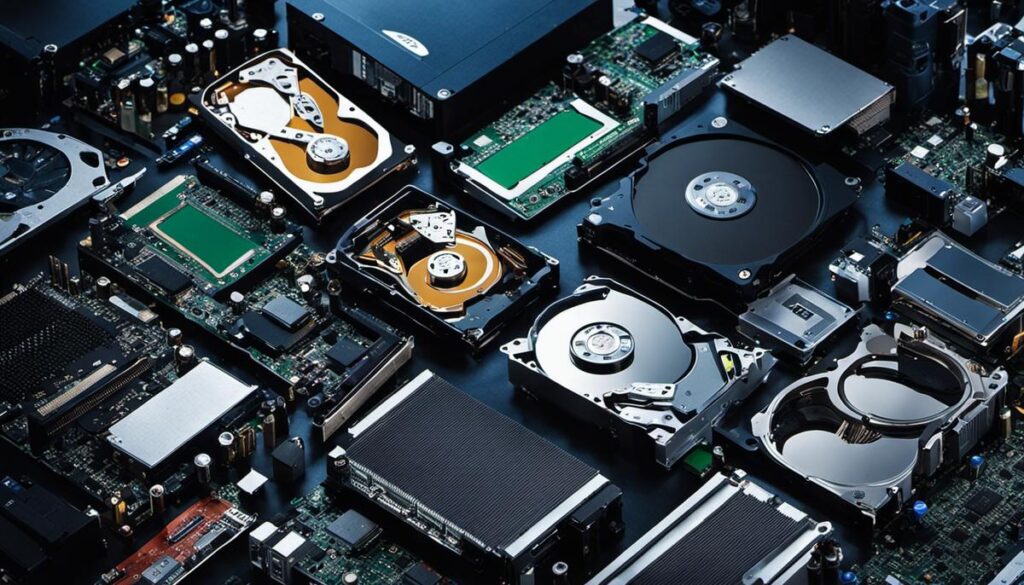
2nd hard drive not showing up? This can be due to a myriad of reasons, from hardware connectivity issues to software settings and drive formatting. This guide seeks to demystify these concepts, starting with a basic understanding of computer hardware. It will also delve into BIOS settings and boot order and, finally, guide you on how to manage and format your drives effectively.

Understanding Computer Hardware

A Beginner’s Guide to Troubleshooting: Essential Knowledge on Computer Hardware

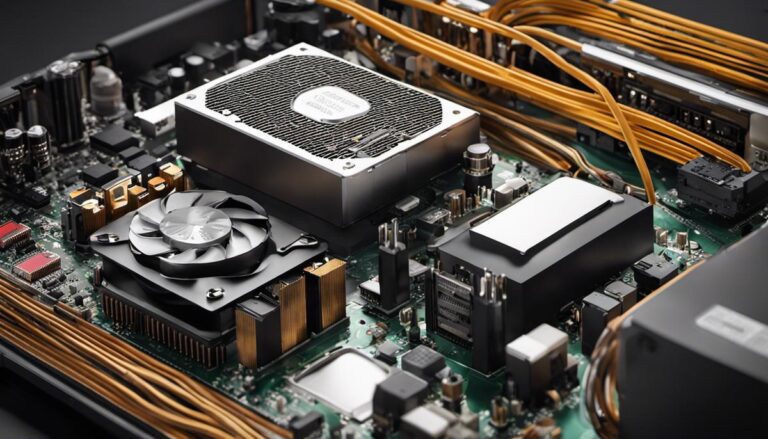
As we further plunge into the digital age, understanding the basics of computer hardware is becoming a necessity rather than a luxury. Troubleshooting issues on your computer can save time and resources while simultaneously boosting your tech-analytical skills. While there are a plethora of aspects to consider when troubleshooting, this article will guide you through the fundamental computer hardware knowledge you need to get started.

A. Understanding the Role of Hardware Components
  1. Central Processing Unit (CPU)
  2. Random Access Memory (RAM)
  3. Storage
  4. Power Supply Unit (PSU)
  5. Motherboard
B. Mastering Basic Troubleshooting Skills
  1. Navigating System Software: Understanding your computer’s operating system and how to navigate it, such as Windows or MacOS, is crucial. This includes accessing tools like Task Manager on Windows or Activity Monitor on MacOS, both of which can help diagnose problems.
  2. Understanding BIOS/UEFI: BIOS or UEFI is your computer’s firmware that checks your hardware components each time you start your computer. Knowledge of navigating and understanding BIOS/UEFI can help to detect a faulty component quickly.
  3. Checking Drivers: Drivers make the hardware components communicate effectively with your operating system. Keeping tabs on driver updates and diagnosing driver-related problems are important troubleshooting skills.
C. Safety is Paramount

Always ensure your machine is turned off and unplugged when opening it up to prevent electrical hazards. Also, take care to ground yourself to prevent further damage to your components due to electrostatic discharge.

With a keen understanding of how the key components mentioned above work and how to navigate your computer’s system software safely, you’re on the right path to troubleshooting basic hardware issues. Remember, all great tech enthusiasts started somewhere. With continual learning and hands-on experience, the complex world of computer hardware troubleshooting will certainly become much clearer.

While we’ve taken a brief tour through the basics, further learning will foster proficiency. And who knows? Maybe one day, you’ll be guiding a beginner through their first hardware troubleshooting steps.

Understanding BIOS Settings and Boot Order

Unveiling the Mystery: How BIOS Settings Influence the Visibility of Your Second Hard Drive

One of the puzzling challenges that technology enthusiasts often overcome is managing BIOS settings to increase the visibility of a second hard drive. It may feel like venturing into uncharted territories, but with a firm grasp of the system software’s functionality and keen analytical observation, finding your way to clarity isn’t as complex as it may seem.

To begin, it’s important to understand that the BIOS (Basic Input Output System) is a program pre-installed on the motherboard that initializes hardware during the booting process. Its main job is to test that all system requirements are in order prior to loading the operating system. The fascinating aspect of BIOS is that it directly affects whether your system can recognize an installed second hard drive.

Prior to making any adjustments in BIOS, make sure you’ve adhered to all safety precautions. The components are incredibly sensitive to static electricity. So, use an anti-static wristband and ensure you’re working in a clean, dust-free environment. Secondly, remember that it’s always advisable to keep a backup of your important data in an external drive, just in case things don’t go as planned.

Now, into the BIOS settings. Restart or power on your system, then press and hold the designated key (usually F2 or DEL) to enter the BIOS setup. Here, an interface will appear with various options. Look for a setting called “SATA Configuration”, “Drive Configuration”, or similarly named settings depending on your BIOS version.

Inside this section is the essential “Hard Disk Drive (HDD) or Solid-State Drive (SSD)” setting. The visibility of your second hard drive is dependent on whether this particular BIOS setting is enabled. If disabled, your system will be oblivious to the existence of a second hard drive. So, by simply enabling this setting, you are promoting your second hard drive from obscurity to visibility.

If, for some reason, this doesn’t solve the problem, it could be an issue with the “Boot Order” in your BIOS. The boot order dictates which devices your computer looks at first when booting up. It may be set to boot from your first hard drive, ignoring the second one. Adjust it to include your second drive.

As an ardent tech enthusiast, your interest in cracking such daunting yet intriguing riddles empowers you to mold your technology to serve you better. So, never shy away from exploring the paths less trodden, for they may lead toward a more efficient and customized tech experience. Armed with these instructions and a love for the rigors of technological investigation, making that elusive 2nd hard drive visible through tweaking BIOS settings is just another high-stakes adventure. Embrace the challenge!

Understanding Disk Management and Drive Formats

Enabling Your Second Hard Drive: Get in Gear with Disk Management

Let’s dive right in and unlock the mystery of an unrecognized 2nd hard drive. It’s time to roll up your tech sleeves and put your analytical horsepower to work.

To begin with, access your disk management tool. In Windows, you’ll find this under the Computer Management setup in the ‘Storage’ section. This tool allows you to view, manage, and maximize the potential of your storage devices.

Navigate to Disk Management. Here, you’ll see a list of all the storage devices connected to your PC, including your secondary hard drive. If it’s not already visible, you’ve got a puzzle to solve.

The sharp tech that you are, you’ve already checked your BIOS settings. Now that you’re in Disk Management, look for your secondary hard drive here. If there’s an unallocated space, that’s likely your missing hard drive. The blank space indicates that your drive exists, but due to the lack of file systems, it remains invisible to your Operating System (OS).

What you need to do is format the drive so that it will appear to your OS. Right-click on the unallocated space and select ‘New Simple Volume‘. This will start the New Simple Volume Wizard. Follow the prompts, and when prompted for a drive letter, decide on one that suits your fancy. The drive letter you select here will be how the drive shows in the OS from now on.

Now, you’ll be asked to format the partition. You’ve got options like NTFS, FAT, FAT32, or exFAT. For a secondary hard drive, NTFS would be a good choice. This tab also allows you to name your partition. Press ‘Next’ and then ‘Finish’ to wrap this up.

Voila! Your second hard drive should be visible now.

In some cases, your second hard drive may still be stubbornly refusing to appear. In these rare instances, the hard drive itself may be faulty or damaged. In such cases, your tech prowess is better spent on researching replacement drives instead of fighting the inevitable.

But in most situations, the steps above should sort out the issue with your second hard drive visibility. Technology is all about adaptation and problem-solving, so don’t feel discouraged if it takes you a few tries to nail it.

Remember: Learning is an iterative process. By diving into disk management and BIOS mechanics, you’re building your tech know-how, ensuring that no rogue hard drive stays hidden from you for long. Embrace the challenge because with every issue you troubleshoot, you’re fostering your inner tech enthusiast. Don’t automate the solutions; be the solution. Now go on, get your second hard drive in gear.

With robust knowledge of computer hardware, especially hard drives, SATA connections, BIOS settings, and Disk Management, you will be well-equipped to navigate through unexpected issues related to your second hard drive. Moreover, this information empowers you to maximize your computer’s functionality and performance. Understanding your BIOS and its potential adjustments allows you to take control of your boot order and drive detection. The use of Disk Management ensures that you can detect, format, and manage unrecognized or improperly formatted drives, which is pivotal in maintaining seamless computer operation. Ultimately, gaining a comprehensive understanding of these aspects provides a rewarding journey into the world of computer hardware, where you are not just a passive user but an active participant who can identify, isolate, and find solutions to issues independently.

Artificial Intelligence Cybersecurity

In the dynamic digital landscape of the 21st century, artificial intelligence cybersecurity operates as a necessary line of defense against a myriad of cyber threats. As information technology evolves, so too do the sophisticated techniques employed by cybercriminals. This essay plunges into the heart of this contemporary struggle, shedding light on the game-changing role of artificial intelligence in the realm of cybersecurity. It explores the pivotal functions AI performs in managing risks, detecting threats, and analyzing data, as well as the potent coupling of machine learning and cybersecurity. Introducing the potential use and misuse of AI in cyberattacks, this discussion does not shy away from the ethical quagmire it presents, probing the boundaries of privacy, responsibility, and potential regulations. Peering into the horizon, the future of AI’s involvement in cybersecurity is contemplated, heralding a new chapter of supreme cyber defense strategies despite the looming challenges.

The Role of AI in Cybersecurity

The Emerging Significance of Artificial Intelligence Cybersecurity Practices

Artificial Intelligence (AI) continues to revolutionize many facets of life as we know it, seeping into the most intimate corners of human civilization. Among these sectors, the field of cybersecurity stands out, due to the critical role it plays within our digital society. With the expanding complexity and sheer volume of digital threats, traditional threat-fighting tools appear significantly less equipped to fend off these innovative cyberattacks. Against this backdrop, AI has emerged as an indispensable ally in the warfare of bits and bytes.

One cannot underestimate the significance of AI in cybersecurity, primarily due to its innate ability to generate predictions based on patterns and anomalies. Unlike conventional static systems, AI possesses a dynamic and adaptive nature, enabling it to learn continually and identify threats proactively. This property enables AI to flag potential threats even before they materialize, a characteristic hardly achievable with classical computer programs.

Additionally, AI excels at processing vast swathes of data rapidly and accurately – a feat humanly impossible to replicate. AI and machine learning algorithms sift through millions of data points in minutes, searching for patterns, anomalies, and potential risks. This capability positions AI as an invaluable early warning system, flagging irregularities that often portend a cybersecurity breach.

Furthermore, AI can automate repetitive tasks seamlessly, freeing up human cybersecurity professionals to focus on more strategic cybersecurity issues. The potency of AI in handling monotonous tasks, such as the analysis of logs or monitoring user activities, enhances efficiency and accuracy, reducing the chances of human errors or omissions.

From a technological perspective, AI leverages Deep Learning to identify malware. Deep Learning, a subset of machine learning, mimics the human brain’s neural network to make sense of data patterns. With this formidable capability, AI can recognize malware in encrypted traffic, zero-day exploits, or mutation-based attacks, identifying and combating such invasions even in their embryonic stages.

AI technology also plays an integral role in shaping responses to cyber threats. Response systems grounded on AI, also known as autonomous response technology, respond to potential threats in real time. Such systems can isolate systems or shut down network segments under attack, implementing immediate remedial steps to mitigate data loss.

The convergence of AI and cybersecurity is pioneering a new era of robust digital security infrastructure. Artificial Intelligence offers a broad spectrum of capabilities that make it a formidable addition to cybersecurity practices. Its ability to learn and adapt, combined with speed, accuracy, and automation capabilities, make it an indispensable tool in maintaining the robustness of cybersecurity systems. As cyber threats continue to evolve and expand, one can eagerly anticipate the continued evolution of AI as it rises to the challenge of becoming an ever more sophisticated guardian of the digital realm.

The Intersection of Machine Learning and Cybersecurity

Decoding Machine Learning’s Impact on Cybersecurity Solutions

Delving into the depths of cybersecurity, one encounters a profusion of innovative solutions powered by advanced technologies. Positioned at the forefront of this technologically advanced arena, one will discover machine learning (ML) – a subset of artificial intelligence (AI) where systems learn from data, identify patterns, and make decisions. Enshrined under the canopy of AI, ML further enhances our understanding of cybersecurity and the benefits of leveraging AI-powered solutions.

Machine learning, effectively fortified by intricate algorithms, has yielded substantive enhancements in threat detection, wherein the system, trained on numerous examples of cyberattacks, discerns the subtle variances that mark a potential threat. Ranging from seemingly innocuous anomalies to overtly suspicious activities, the system meticulously understands these traits and alerts security administrators with unprecedented precision. This far exceeds the capabilities of traditional, rule-based security systems, enabling organizations to respond proactively to emerging threats.

A particularly intriguing aspect of machine learning is its ability to predict future threat trajectories based on historical data, an attribute known as ‘predictive analytics’. By enhancing the abilities of cybersecurity systems to project the likely course of future attacks or foresee the advent of complex, multi-layered threats, machine learning has effectively transformed reactive security systems into predictive ones, prompting timely responses and precluding potentially impactful breaches.

Machine learning also enables ‘adaptive authentication’, a groundbreaking emergence in information security. Traditional authentication systems, predominantly based on static passwords, have proven relatively vulnerable to cyber incursions. Machine learning elevates the security mechanism by integrating behavioral patterns in the authentication process. For instance, the nuances in user typing dynamics, location patterns, or device usage form a unique ‘behavioral biometric’ that is difficult for cybercriminals to replicate, thereby enhancing the security fortress.

An innovative application of machine learning in cybersecurity is ‘automated incident response’. The speed and complexity of today’s cyber threats require immediate, data-driven responses. Machine learning techniques, armed with robust data sets and complex algorithms, automate the process of responding to threats, thereby nullifying or mitigating the impact of cyber-attacks promptly.

Machine learning’s intrinsic feature of ‘continuous improvement’ is uniquely valuable in the dynamic domain of cybersecurity. As ML-powered systems continuously interact with new data, they improve their threat detection and incident response capabilities, becoming better equipped to tackle evolving cyber threats. This perpetual upskilling forms a powerful defense line, strengthening the bulwark against cybercrime.

The synergistic amalgamation of machine learning with cybersecurity demonstrates a substantial leap toward building formidable security solutions that amalgamate speed, accuracy, and adaptiveness. These solutions present an evolved guardianship of digital assets, marking a revolution in cybersecurity strategies that is expected to shape the future of digital protection systems. Leveraging the potent combination of AI and ML, organizations can remain one step ahead in the ongoing battle against cybercrime, reaffirming our commitment to secure the digital world.

AI and Cybersecurity Ethics

The integration of artificial intelligence into cybersecurity brings with it a raft of ethical considerations that must be explored. Prominent among these is the issue of privacy – as AI systems are adept at processing vast amounts of data, concerns regarding the possibility of mass surveillance have emerged.

Fundamental to the use of AI in cybersecurity is the processing of personal data to feed machine learning algorithms. Yet, it is precisely this action that holds implications for privacy. Within a person’s data are intimate details about their life, work, and the people they interact with. The potential misuse of such data cannot be overstated, and there are valid concerns about where the line between cybersecurity and invasion of privacy should be drawn.

Another equally important ethical concern is the risk of bias in AI algorithms. The machine learning models utilized by AI for cybersecurity purposes are heavily reliant on training data to function effectively. Should this data be skewed, the system might end up propagating discriminatory behavior towards certain groups. This raises the question of fairness and requires scrutiny of data sets to ensure they accurately reflect the diversity of the real world.

AI’s ability to automate tasks also introduces questions about accountability. When an AI system makes a mistake – such as blocking a legitimate user or failing to identify a threat – who is held responsible, the developers or the AI? Coupled with the increasing use of autonomous AI systems that can make decisions without human intervention, this creates a potential ambiguity in the attribution of responsibility.

Finally, the proliferation of AI in cybersecurity reveals worries about digital inequality. AI resources are predominantly in the hands of a few powerful entities, risking digital security becoming an exclusive privilege accessible only to some. This may exacerbate existing digital divides and countrywide disparities in cybersecurity capabilities.

The integration of AI into cybersecurity, while offering fantastic opportunities, also beckons profound ethical considerations. To navigate this intersection, it is necessary not only to enhance the technical capabilities of AI but also to ponder upon its ethical implications to guarantee a secure digital realm while also honoring the virtues of privacy, fairness, and equality. The synthesis of AI and cybersecurity will indisputably shape the future of digital protection systems, but it is crucial to remember that this development cannot be at the expense of ethical standards.

Future of AI in Cybersecurity

The upcoming part of this article dives into the prominent challenge of AI-enhanced deception or, more commonly, Deepfakes.

Deepfakes – these synthetic media, where an individual in an existing image or video is replaced with someone else’s likeness, are a growing security concern. These AI techniques can subvert trust in two ways. First, by effectively impersonating individuals through synthesized voice and imagery, it casts doubt on the authenticity of digital content, reaching beyond cybersecurity to impact our social and political landscapes. Second, deepfake technology can be manipulated to dodge biometric authentication systems, craft effective phishing attacks, and expose vulnerabilities in AI-powered security infrastructure.

Another pivotal area is the role of AI in attack diversification. A chilling but thrilling area of AI’s potential in cybersecurity is its ability to invent fresh attack types unimaginable by human hackers. AI-based Autonomous Response technology will prove invaluable in neutralizing such unpredictable threats. By analyzing billions of diverse data points in real-time, AI can not only identify but also anticipate these unique attacks, evolving in-sync with the advancement of the threat.

Next comes the challenge of data poisoning. Intelligent systems rely heavily on their training data. Any manipulation in this data could lead to misclassifications or false alarms. AI’s significant potential in this domain is to develop self-scrutinizing protocols to verify the integrity of their data source, making the system more resilient to such poisoning attacks.

One cannot overlook AI’s role in Cyber risk quantification. Traditional methods of identifying and calculating cyber risk are overwhelmed by the speed and complexity of the modern cyber threat landscape. AI holds the potential to revolutionize cyber risk quantification, transforming it from a descriptive tool into a predictive one, providing actionable risk insights.

Finally, Human-AI collaboration in cybersecurity is coined as “Centaur Teams.” Combining human intuition with machine speed is a nonpareil combination. AI models can assist cybersecurity professionals in risk reduction, data analysis, decision-making, and threat recognition, thereby enhancing human cognition. A synergy of this nature would revolutionize defensive posturing in the digital theater.

In this whirlwind through the intricate potential landscape of AI in cybersecurity, it is crucial to remember that technological evolution does not operate in a vacuum. As we witness the unfolding of AI’s remarkable potential, we must navigate this terrain with equal measures of care and rigor to ensure the inculcation of not just a technologically advanced but also a safe digital future.

As we stand at the dawn of an increasingly digital era, artificial intelligence stands as a beacon of hope and a source of unease. Its transformative power in cybersecurity demonstrated through its capabilities in threat detection, risk management, and data analysis, cannot be denied. Simultaneously, the convergence of machine learning and cybersecurity suggests a future laden with proactive and adaptive defenses. Balancing this, the ethical implications demand our unwavering attention, bringing to the forefront the necessity for responsible use and stringent regulatory frameworks. The journey into the future seems promising, with AI revolutionizing cybersecurity to face the ever-evolving cyber threats. However, the road is not without its share of pitfalls, and only a conscious, balanced approach can steer us towards a cyber-secure future.